
Living here in sunny California, I’ve often noticed how a simple morning walk paired with a nutrient-dense breakfast can completely transform a senior’s energy for the rest of the day. The vibrant farmer’s markets here are a constant reminder that eating well is one of the most powerful, proactive ways we can maintain our health, energy, and independence as the years go by.
As we age, our bodies undergo subtle but significant transformations. Our metabolism gently slows down, our bone density requires more support, and our nutritional needs shift. Making simple, mindful adjustments to your daily eating habits can act as a profound shield, helping to protect your heart, fortify your bones, and preserve cognitive function. Good nutrition is not merely about preventing illness; it is about boosting your mood, sustaining your energy levels, and keeping you actively engaged in the social activities you love.
If you are looking to revitalize your health, here is a comprehensive guide to 10 healthy eating habits designed specifically for seniors to improve overall wellness and elevate your quality of life.
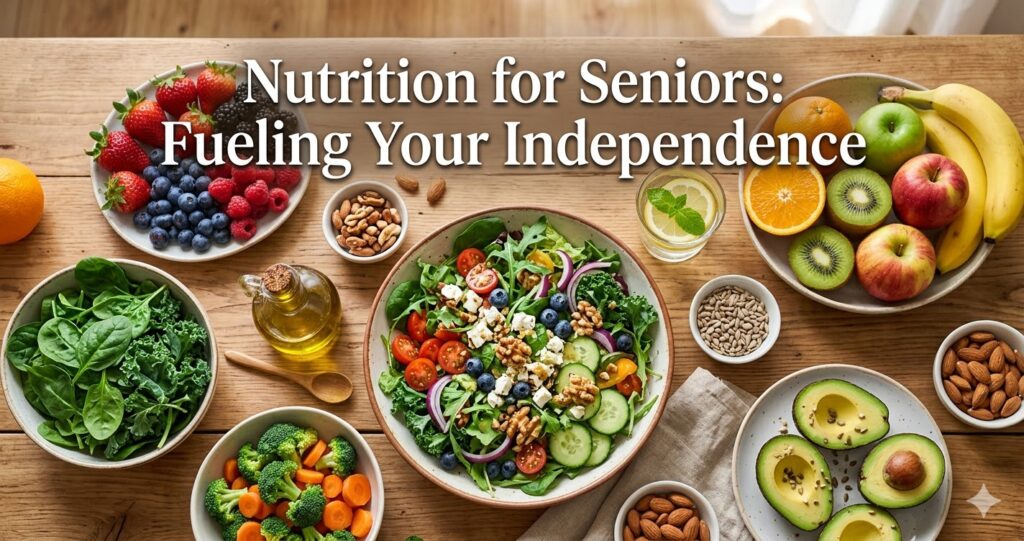
1. Prioritize a Rainbow of Fruits and Vegetables
The foundation of any longevity-focused diet is an abundance of fresh produce. Fruits and vegetables are nature’s ultimate multivitamins, rich in essential minerals, fiber, and powerful antioxidants that actively support the immune system and combat systemic inflammation.
The Science of Antioxidants in Aging
As we age, our bodies accumulate oxidative stress, which is linked to various chronic conditions including arthritis and heart disease. The antioxidants found in colorful produce—like the anthocyanins in blueberries or the beta-carotene in carrots—help neutralize this stress. Aim for a vibrant variety every single day. Include dark leafy greens (like spinach and kale), seasonal berries, citrus fruits, and cruciferous vegetables such as broccoli and cauliflower. The wider the variety of colors on your plate, the broader the spectrum of protective nutrients your body receives.
Actionable Steps for Daily Intake
- The Half-Plate Rule: Make it a non-negotiable habit to fill exactly half of your plate with fruits and vegetables at every main meal.
- Sneak Them In: Adding spinach to a morning fruit smoothie or finely dicing carrots and zucchini into pasta sauces are effortless ways to increase your intake.
- Shop Seasonally: Seasonal produce not only tastes significantly better but is often more affordable and packed with peak nutrients.
2. Make Lean Protein a Staple at Every Meal
Protein is the crucial building block for maintaining a strong, resilient body. It helps preserve muscle mass, supports bone health, and keeps you feeling satiated between meals, reducing the urge to snack on empty calories.
Combating Sarcopenia
Sarcopenia, the age-related loss of muscle mass and strength, is a significant risk factor for falls and loss of mobility in older adults. Consuming adequate protein is essential as our metabolism slows down. Furthermore, protein plays a vital role in wound healing and maintaining healthy skin and hair. Good sources include wild-caught fish, skinless poultry, eggs, legumes (beans and lentils), and low-fat dairy.
Expert Protein Strategies
- Consistent Distribution: Do not save all your protein for dinner. Incorporate at least one solid serving of protein into every meal.
- Plant-Based Power: Try mixing plant-based proteins with animal sources. A hearty lentil stew or quinoa salad offers excellent protein alongside digestion-friendly fiber.
- Morning Boost: Start your day right with scrambled eggs, a bowl of Greek yogurt, or almond butter spread over whole-grain toast.
3. Embrace the Power of Whole Grains
Carbohydrates are not the enemy; the type of carbohydrates you choose makes all the difference. Whole grains like steel-cut oats, quinoa, brown rice, and 100% whole wheat bread provide crucial dietary fiber, B vitamins, and trace minerals.
Digestive Health and Stable Energy
Unlike heavily refined white grains that cause rapid spikes and crashes in blood sugar, whole grains release their energy slowly and steadily. This helps keep blood sugar levels stable, which is particularly beneficial for seniors managing or preventing type 2 diabetes. Additionally, the high fiber content supports a healthy gut microbiome, which recent studies strongly link to robust immune function and cognitive health.
Simple Swaps for Better Health
- The Pantry Upgrade: Systematically swap out white bread, standard pasta, and white rice for their whole-grain counterparts.
- Snack Smarter: Choose whole-grain crackers with a slice of low-fat cheese or air-popped popcorn instead of highly processed chips.

4. Master the Art of Staying Hydrated
Hydration is often the most overlooked aspect of senior nutrition. As we age, our natural sense of thirst diminishes, meaning you might be dehydrated without even feeling thirsty.
Recognizing Hidden Dehydration
Seniors are at a notably higher risk of dehydration, which can severely impact energy levels, slow down digestion (leading to constipation), and even impair cognitive function. Even mild dehydration can cause unexplainable fatigue, headaches, dizziness, and reduced concentration. While water is always the gold standard, herbal teas, low-sodium broths, and water-rich fruits like watermelon and cucumbers also contribute to your daily intake.
Hydration Checklist
- Set a Schedule: Don’t wait until you are thirsty. Sip water consistently throughout the day. Aim for at least 6 to 8 cups daily, and more if you live in a warm climate or are physically active.
- Flavor Naturally: If plain water is unappealing, infuse it with slices of lemon, cucumber, or a sprig of fresh mint.
- Limit Diuretics: Keep a watchful eye on excessive caffeine and sugary sodas, as these can actually draw water out of your system.
5. Consciously Limit Added Sugars and Sodium
The modern food industry hides excessive amounts of sugar and salt in packaged foods, which can be detrimental to senior health. Excess sugar is strongly linked to type 2 diabetes and chronic inflammation, while too much sodium is a primary driver of high blood pressure and heart disease.
Flavor Without the Salt: A Chef’s Approach
Reducing your salt and sugar intake also helps protect kidney function over time. Interestingly, as you cut back on heavily salted or sweetened foods, your taste buds will actually recalibrate. After a few weeks, you will find that you can appreciate the natural, subtle flavors of whole foods much more.
- Read Labels Religiously: Look out for hidden sodium in canned soups, sauces, and frozen meals.
- Spice it Up: Discard the salt shaker and experiment with natural flavor enhancers. Use fresh herbs, garlic, ginger, smoked paprika, or a squeeze of fresh citrus to bring your meals to life.
6. Practice Mindful Portion Control
As your resting metabolic rate slows down with age, your overall caloric needs may decrease, but your nutrient needs remain as high as ever—if not higher.
The Art of Eating Just Enough
Controlling portion sizes is the most effective way to maintain a healthy weight without feeling deprived. It prevents the sluggishness that comes from overconsumption and reduces the burden on your digestive system.
- The Visual Cue: Use slightly smaller dinner plates. A full small plate sends a signal to your brain that you are eating a substantial meal, preventing you from over-serving yourself.
- Mindful Eating: Turn off the television during meals. Pay close attention to your body’s natural hunger and fullness cues.
- Prioritize Density: Fill your plate with nutrient-dense vegetables and lean proteins first, leaving smaller sections for heavier starches.
7. Don’t Fear the Fats: Choose Healthy Options
For decades, we were told to avoid all fats, but modern nutritional science has proven that healthy fats are essential, especially for aging brains and hearts.
Heart and Brain Protectors
Monounsaturated and polyunsaturated fats—found abundantly in extra virgin olive oil, avocados, nuts, seeds, and fatty fish like salmon—actively support cardiovascular health and cognitive function. Furthermore, these healthy fats are required for your body to absorb fat-soluble vitamins (A, D, E, and K), which are critical for bone density and vision. Omega-3 fatty acids, in particular, are renowned for reducing joint pain and stiffness associated with arthritis.
- Smart Substitutions: Replace butter or margarine with high-quality olive oil for cooking.
- Snack on Nuts: A small handful of walnuts or almonds makes for an excellent, brain-boosting afternoon snack.
- Avoid Trans Fats: Strictly limit processed baked goods and fried foods, which often contain inflammatory saturated and trans fats.

8. Fortify Your Bones with Calcium and Vitamin D
Osteoporosis and bone fractures are major concerns for older adults. Calcium and Vitamin D work in tandem to keep your skeletal system strong and resilient.
The Synergistic Duo
Calcium builds the bone, but Vitamin D is the key that unlocks the door, allowing your body to actually absorb the calcium. These nutrients also play a vital role in healthy nerve transmission and muscle function, which are critical for maintaining balance and preventing falls.
- Dietary Sources: Incorporate low-fat dairy products, fortified plant-based milks (like almond or oat milk), and dark leafy greens into your weekly rotation.
- The Sunshine Vitamin: Spend 15-20 minutes in natural sunlight a few times a week to boost your natural Vitamin D production.
- Consult Your Physician: Because Vitamin D is notoriously difficult to get from food alone, ask your doctor for a simple blood test to see if a tailored supplement is right for you.
9. The Joy and Practicality of Cooking at Home
One of the most transformative habits you can adopt is preparing more meals in your own kitchen. When you cook at home, you have absolute control over every ingredient, portion size, and the nutritional quality of your food.
Escaping the Processed Food Trap
Restaurant meals and heavily processed convenience foods are almost always laden with excess sodium, hidden sugars, and low-quality fats. Cooking at home naturally reduces your reliance on these items. It also engages your mind, encouraging you to try new recipes and seasonal ingredients, which keeps your diet varied and interesting.
- Batch Cooking: Dedicate one afternoon a week to prepare large batches of healthy staples—like brown rice, roasted vegetables, or a hearty soup—that can be easily reheated.
- Make it Social: Invite a friend or family member to cook with you. Sharing the process makes meal prep enjoyable rather than a chore.
10. Listen to Your Body’s Unique Wisdom
Finally, the most personalized nutrition advice is to intimately listen to your own body. As we age, we may develop new food sensitivities or notice that certain foods no longer agree with our digestion.
The Power of Mindful Observation
Pay attention to your energy levels, your digestion, and your mood after eating different meals. Tuning into your body helps you choose the foods that truly nourish you and identify any potential deficiencies that might need medical attention.
- Keep a Food Journal: For one week, jot down what you eat and how you feel two hours later. This simple practice can reveal surprising patterns regarding what causes bloating, fatigue, or, conversely, what gives you clean, sustained energy.
- Savor the Experience: Eat slowly. Put your fork down between bites. Savor the textures and flavors, and stop eating when you feel comfortably satisfied, rather than overly stuffed.
Healthy eating habits are the absolute cornerstone of aging with grace and vitality. By prioritizing whole foods, staying meticulously hydrated, and making mindful choices, seniors can fiercely protect their independence. You don’t have to overhaul your entire life overnight. Start by incorporating just one or two of these habits today. Small, steady changes are significantly easier to maintain and will compound into massive improvements in your health over time. With a little consistency and self-care, a vibrant, active life is entirely within your reach.
💡 Frequently Asked Questions (FAQ)
Q1: How can seniors maintain proper nutrition when they suffer from a loss of appetite and find eating burdensome?
A1: Loss of appetite often stems from age-related declines in taste or smell. To counter this, transition from three large meals to five or six smaller, nutrient-dense meals throughout the day. Taking a light walk before a meal can also stimulate appetite. Enhance food flavors using natural spices like herbs and lemon juice, and for those with chewing difficulties, consider smoothies blending protein powder, fruits, and vegetables for easy nutrient consumption.
Q2: I dislike drinking plain water; are there other healthy ways to increase my hydration levels?
A2: If plain water is difficult, try infusing it with cucumber, lemon, berries, or mint leaves to add natural flavor and subtle sweetness. Caffeine-free herbal teas (like chamomile or rooibos) served hot or cold are excellent alternatives. Additionally, increase water intake by snacking on high-water-content fruits and vegetables like watermelon, cucumber, tomato, and celery, or by incorporating low-sodium clear broths with your meals.
Q3: If I am maintaining a healthy diet, do I still need any nutritional supplements as a senior?
A3: Even with a balanced diet, age-related changes naturally reduce nutrient absorption in the gastrointestinal tract. Seniors commonly become deficient in Vitamin D and Calcium for bone health, and Vitamin B12, which is essential for the nervous system and cognitive function but absorbed less effectively due to decreased stomach acid. Therefore, the safest approach is to request regular blood tests from your doctor to identify deficiencies and consult them about selectively taking necessary supplements tailored to your needs.