Why is staying active and fit so incredibly crucial as we age? This is a fundamental question we often ponder as we embrace the golden years of our existence. As the calendar pages turn, our bodies undergo a necessary and natural metamorphosis: our metabolism inevitably begins to decelerate, our skeletal structure becomes more delicate, and that vital muscle mass often starts to wane.
However, this biological shift absolutely does not entail that we should surrender ourselves to a sedentary way of living. Quite the opposite, in fact. Upholding an active lifestyle becomes paramount as we age. It is not merely a recommendation; it is an essential component of healthy aging. Regular, intentional exercise aids dramatically in preserving necessary mobility and flexibility, significantly lessening the likelihood of debilitating falls and injuries that can rob us of our independence. Yet, it is not solely about physical prowess. Incorporating regular physical activity into your routine can drastically enhance cardiovascular health, providing a robust safeguard against heart disease and other potential health complications.
The Holistic Rewards of Movement: Beyond the Physical Realm
The true benefits of consistent exercise go far beyond the physical realm. Movement has a profound impact on mental health. Regular exercise can elevate mood, alleviate persistent feelings of sadness and anxiety, and even sharpen cognitive function. It stands as an excellent method to keep the mind agile and our spirits buoyant as we navigate the aging process.
Furthermore, staying fit is profoundly connected to preserving our autonomy as we grow older. Being physically active implies we are better equipped to carry on with the activities we cherish and the daily tasks we need to accomplish. Living in California, I’ve often seen people gracefully maintaining their autonomy well into their 80s simply by remaining active. Whether it’s tending to your favorite rose garden, frolicking freely with your grandchildren, or simply being able to stand from a chair unassisted—your physical fitness directly dictates your level of independence.
However, we must never overlook the social facet of exercise. Activities such as walking with a designated companion, participating in a structured fitness class, or even engaging in dancing allow us to interact meaningfully with others. This sense of camaraderie, this profound sense of belonging within a community, can work absolute wonders for our emotional well-being and sense of self.
Commitment to exercise has the potential to completely redefine our perception of aging. It is not just about physical fitness; it is about ensuring total mental agility and emotional stability. It is about demanding and enjoying the best possible quality of life for as long as possible. The dedication to staying active can be incredibly liberating, giving us the inherent confidence to embrace the aging process rather than fear it. Let us not allow age to confine us or dictate our limits. Redefine what aging signifies to you because, after all, we are not just growing older—we are maturing in wisdom, strength, and resilience.
Discovering Your Ideal Rhythm: Effective Low-Impact Exercises
Many of us ask, or are asked by loved ones caring for us, “What specific exercises can seniors do to stay fit and healthy?” The physical changes of aging may make us more susceptible to certain health issues, but the good news is that physical activity can significantly reduce these risks.
However, the type of exercise absolutely matters. It starts with low-impact exercises that are enjoyable, beneficial, and tailored to the older demographic. It is crucial to remember that every individual’s body is unique, so you must listen to your body and adjust your exercise routine accordingly. Respect your limits, start slow, and gradually increase your activity level as your fitness improves. Remember, you are not competing with anyone. Always consult your healthcare provider before starting any new exercise regimen to ensure safety.
The Simple, Effective Power of Walking
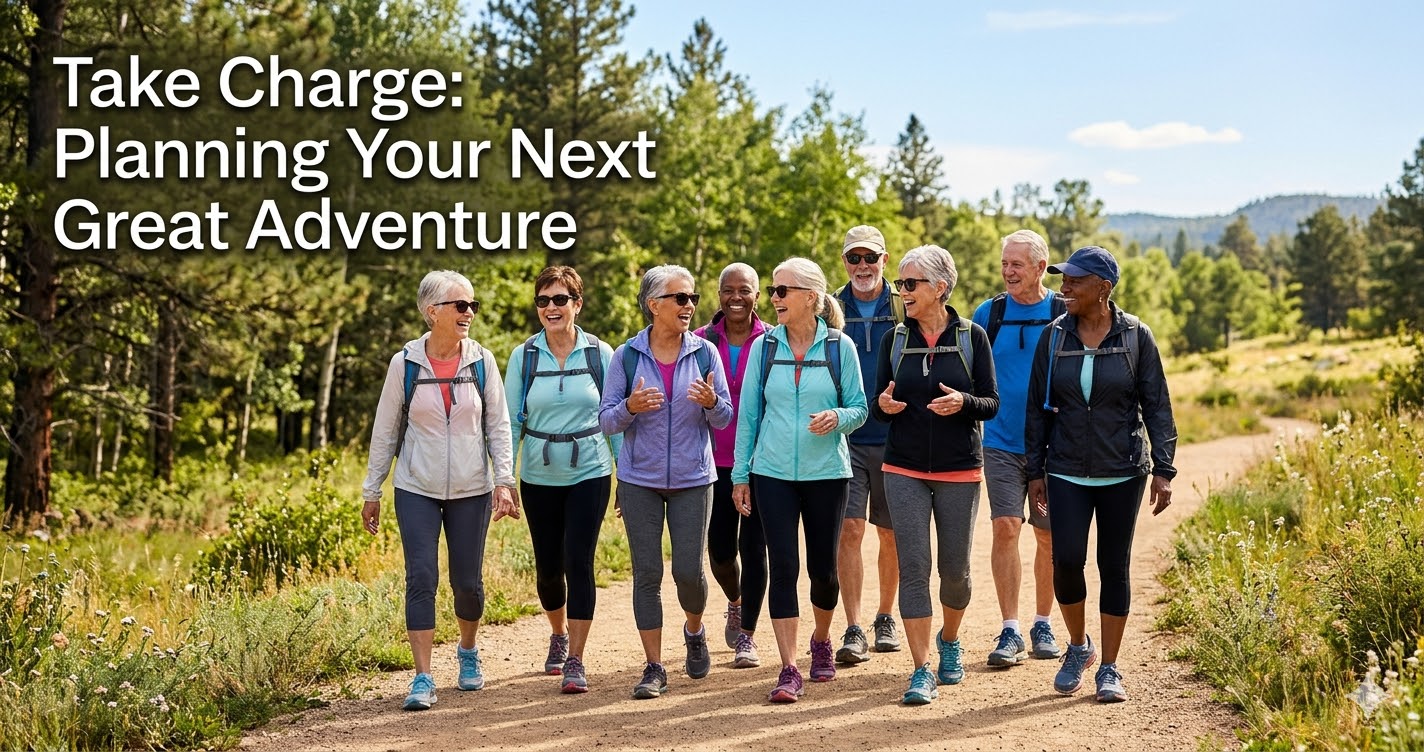
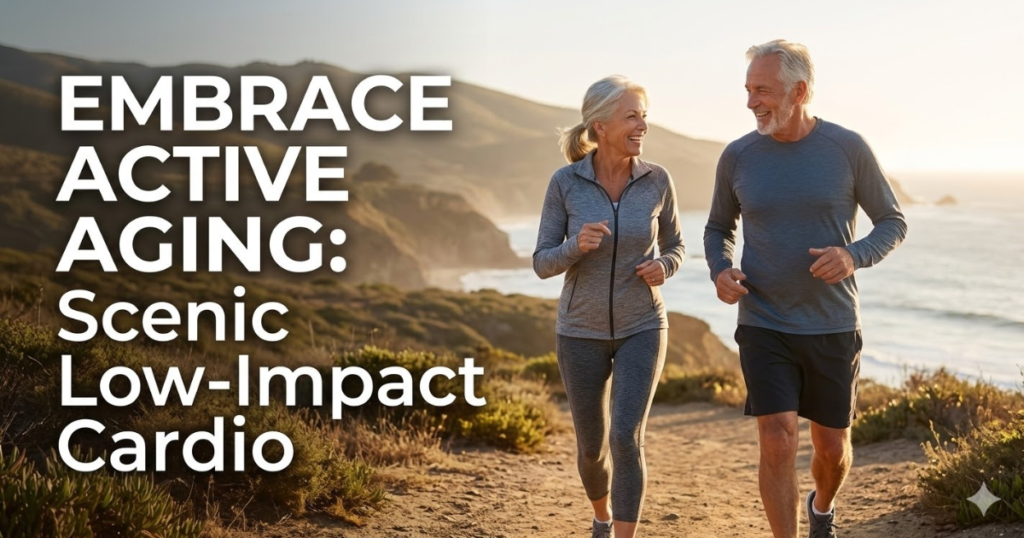
Let’s delve into walking, an activity that is as deceptively simple as it is exceptionally effective. This is perhaps one of the most frequently recommended exercises for seniors, and for good reason. It is a fantastic way to strengthen the heart muscle, enhance overall circulation, and help regulate blood pressure. Moreover, regular walking boosts mood, directly alleviates anxiety, and contributes to overall mental well-being.
The greatest advantage of walking is its sheer versatility. You might choose a brisk walk in a local park to enjoy the fresh morning air, or perhaps a gentle, leisurely stroll around your neighborhood in the evenings. The choice is yours. The absolute key, however, is consistency. Aim for at least 30 minutes of walking every single day—this represents a small time commitment for a major, life-altering health benefit.
Swimming and Water Aerobics: Buoyant Fitness for All Levels
Swimming offers a complete full-body workout that is extraordinarily gentle on the joints. This non-weight-bearing aspect makes it a perfect exercise medium for seniors, drastically reducing the risk of impact-related injury. It works to increase muscle strength throughout the body, enhances cardiovascular fitness, and improves flexibility. It’s also just plain fun and offers a refreshing way to cool off during warm weather. Try to incorporate swimming for at least 20 minutes three times a week into your routine.
For those who find the idea of swimming laps daunting or perhaps lack swimming skills, water aerobics stands as a fantastic alternative. It provides very similar cardiovascular and strength benefits while adding a enjoyable social element to your exercise routine.
Yoga: A Holistic Practice for Mind and Body
Yoga is a holistic practice that beautifully combines physical postures, specific breathing exercises, and meditation or mindfulness. Yoga designed specifically for seniors is widely available and can significantly improve balance, flexibility, strength, and mental well-being. It is a serene activity that promotes mindfulness and drastically reduces stress. While specialized classes are great, you can also easily practice gentle yoga poses within the comfort of your home. Aiming for just two or three yoga sessions a week can make a massive difference in your overall health journey.
Strength Training: Counteracting Sarcopenia and Building Resistance
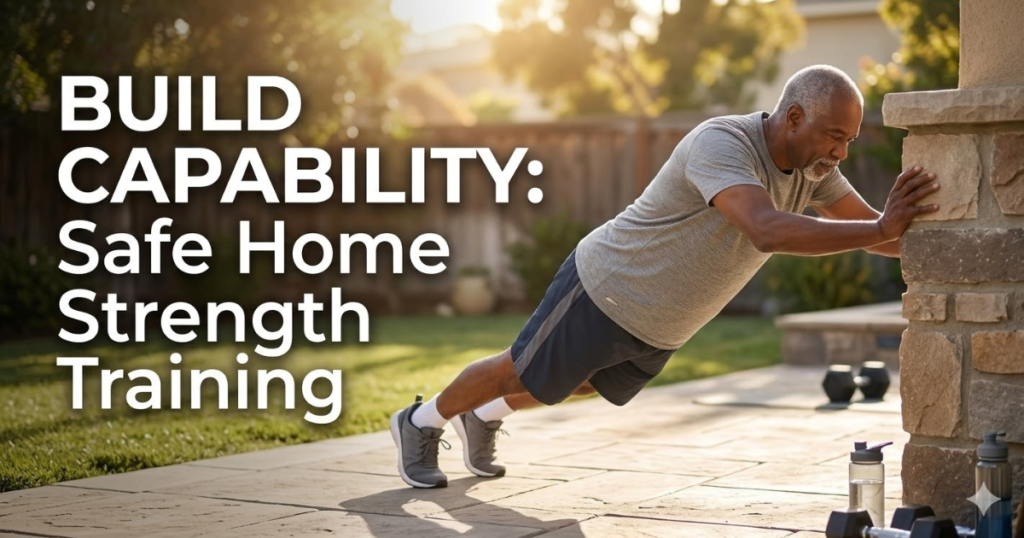
One of the absolute paramount aspects of a truly comprehensive exercise regimen for older adults is strength training. It is an essential component of any balanced fitness routine. With the progression of age, our muscles naturally start losing their mass and strength in a process known as sarcopenia. This can eventually lead to frailty and a significantly higher risk of debilitating falls—a major concern for seniors striving to maintain independence.
However, don’t fret; this natural process can be effectively counteracted with regular strength training exercises. Strength training employs resistance (your body weight, dumbbells, or resistance bands) to induce muscular contraction, which leads to the strengthening and enlargement of skeletal muscles, improving physical strength and overall endurance.
Breaking the Myths: Strength Training is for Everyone
We must dispel a very common myth: No, you absolutely do not have to be a professional bodybuilder or a hardcore fitness enthusiast to partake in strength training. This type of exercise is truly for everyone, regardless of age or current fitness level, including—and especially—seniors. In fact, strength training can be particularly beneficial for older adults, promoting necessary mobility, essential balance, and long-term independence.
Essential Home Strength Exercises for Beginners
These simple exercises can easily be carried out at home with absolutely minimal equipment, making it incredibly easy for seniors to incorporate them into their daily routine:
- The Chair Squat: This powerful exercise primarily targets and strengthens your major leg muscles, especially your quadriceps. stand in front of a sturdy chair in an upright position. Lower your body gradually, pushing your hips back as if you are about to sit down. Once you feel the chair, push through your heels back to the standing position. It is critical to maintain a straight back and ensure your knees stay aligned directly over your feet throughout the movement.
- The Wall Push-Up: This exercise focuses specifically on targeting your upper body, including your chest and arm muscles. Stand an arm’s length away from a solid wall. Place your palms flat on the wall at shoulder height. Bend your elbows to lower your body closer to the wall, then push back to the starting position. It’s a great, safe way to build functional upper body strength.
- Bicep Curls: This exercise is perfect for maintaining arm strength necessary for daily tasks. It can be performed with a pair of light dumbbells, resistance bands, or even a couple of full water bottles if you do not have weights. Hold your chosen weights at your sides, then slowly bend your elbows to bring the weights closer toward your shoulders. Lower them back down with control and repeat the movement.
Start slow, focusing intently on correct form rather than high repetitions. You can gradually increase the intensity (more weight or higher resistance bands) as your strength and stamina steadily improve.
Mastering Your Foundation: The Critical Role of Balance and Coordination
Why are balance and coordination so exceptionally important for seniors? This topic necessitates a deeper understanding in the context of senior health and fitness. Balance and coordination are not merely necessary for athletic prowess; they are the fundamental pillars that enable us to navigate our lives with inherent independence and unwavering confidence.
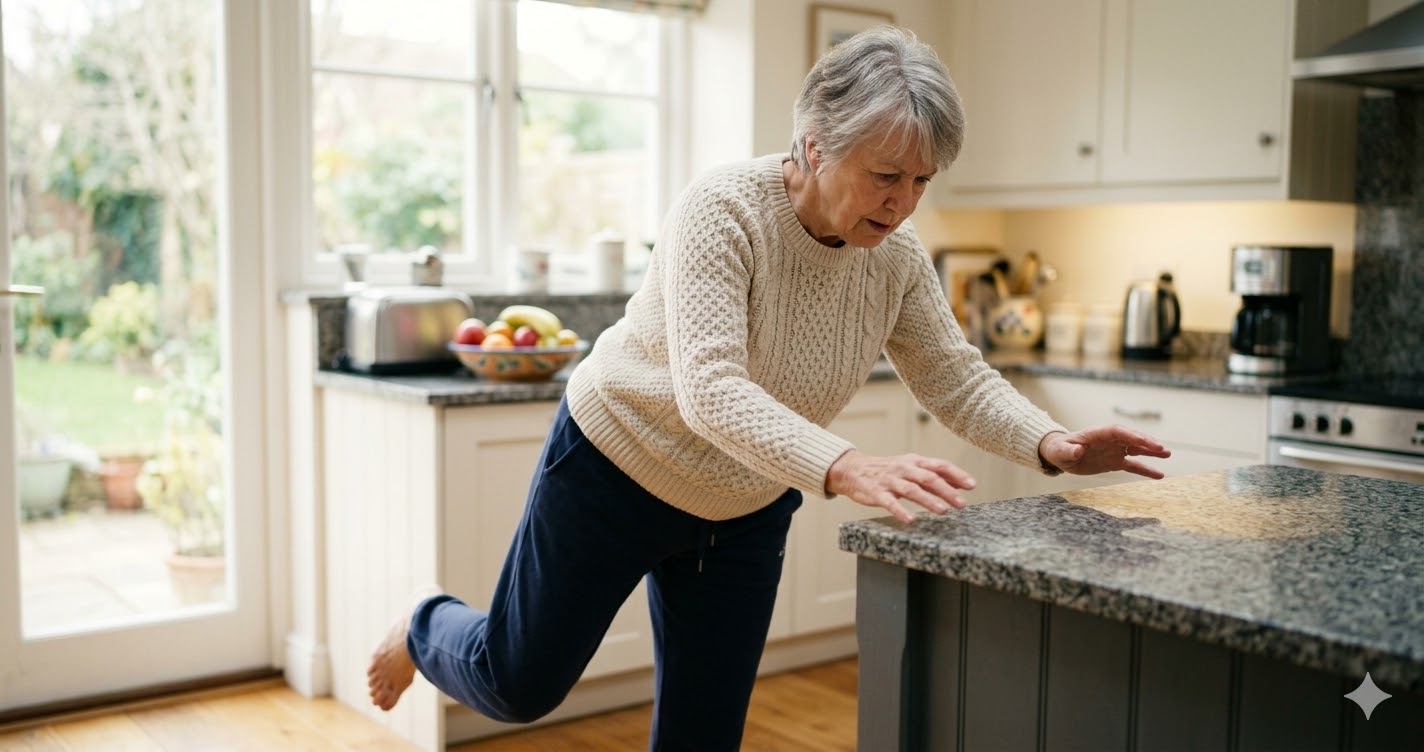
These abilities allow us to safely walk to the local grocery store, dance freely at a grandchild’s wedding, or simply move across the room unassisted. However, as we grow older, these capabilities can naturally start to wane, potentially putting seniors at an enhanced risk of devastating falls.
Securing Stability: Fall Prevention and Mental Clarity
Falls are, in fact, one of the most prevalent and serious causes of injury among the elderly, often triggering a decline in independence. But the Silver Lining here is that balance and coordination, much like any other physical skill set, can be developed and improved at any age with consistent practice. Consistent practice significantly mitigates the risk of falls, enhances posture, and enables everyday tasks to be carried out safely and efficiently. Furthermore, these benefits extend beyond the purely physical realm; balance training can drastically contribute to mental well-being, aiding in keeping the mind razor sharp.
The Most Effective Practices for Balance Improvement
Several practices have been proven to be exceptionally effective for seniors aiming to boost stability:
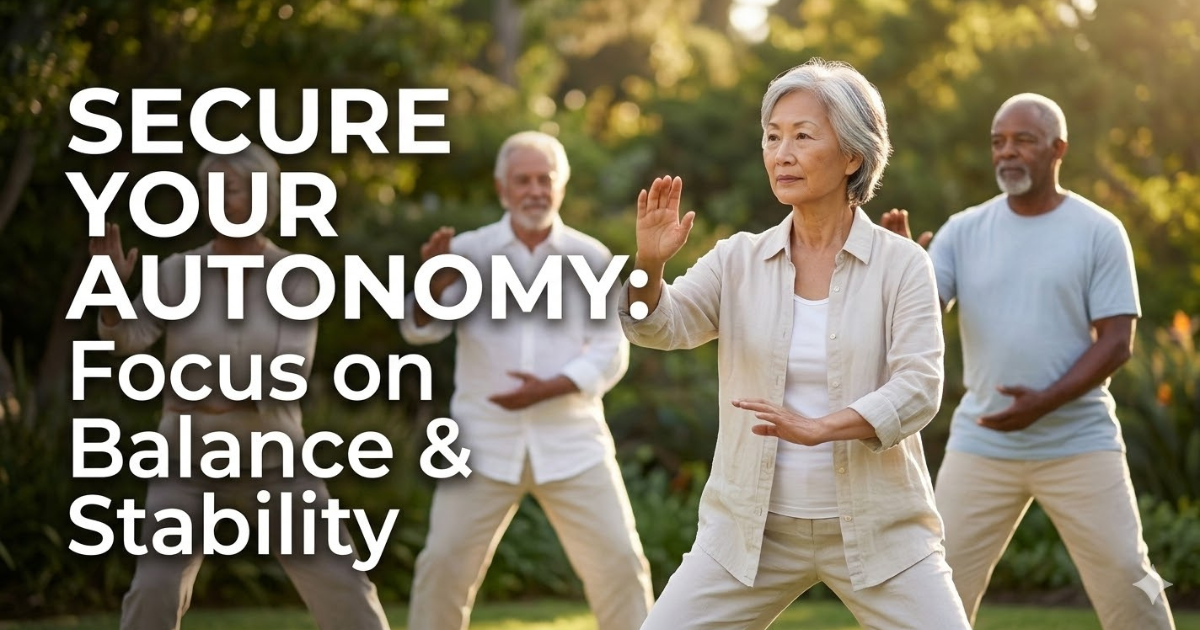
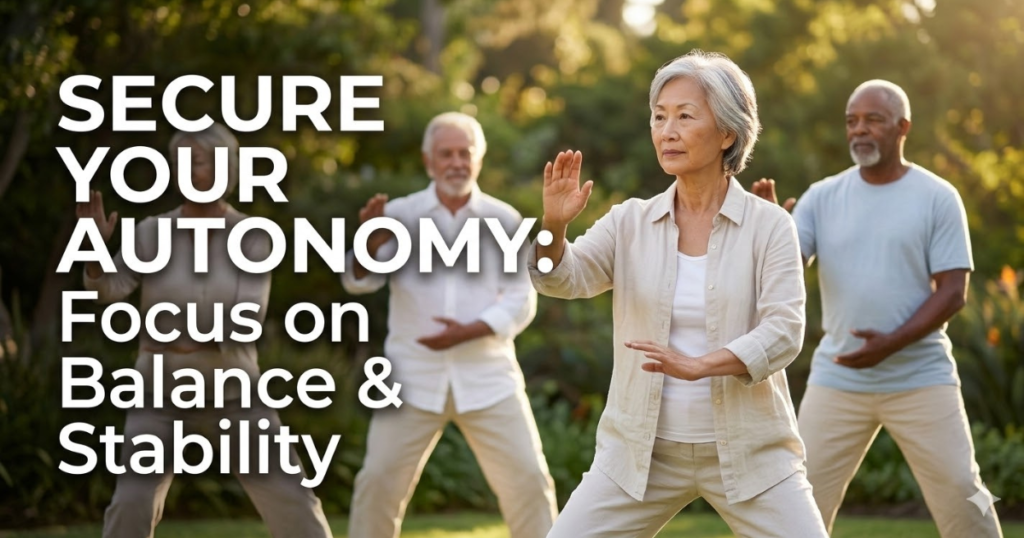
- Tai Chi: An ancient exercise form originating from China, Tai Chi is a low-impact exercise that emphasizes slow, deliberate movements and deep, rhythmic breathing. It is renowned for its incredible ability to enhance balance, flexibility, and muscle strength simultaneously.
- Balance-Focused Yoga Poses: Specific poses within yoga, emphasizing mindful movement and holding, are an exceptional way to improve both coordination and flexibility while promoting necessary relaxation.
Redefining Aging: Your Path Forward
As we age, staying active and fit is the definitive key to aging well. The goals in our golden years are not about setting athletic records; they are about dramatically enhancing the quality of our daily lives.
We wholeheartedly encourage you to begin incorporating these gentle cardio, strength, and balance exercises into your daily routine, or to recommend them to a loved one. Consistency is of utmost importance; even a minute amount of dedicated exercise each day can significantly contribute to promoting good health and longevity. It is never too late to begin this transformative journey.
Now, we want to hear from you. Have you attempted any of these exercises? What specific daily activity has become harder for you after 60 that you’d love to improve? Be honest with us—how many minutes do you currently spend exercising each week? Share your valuable experiences, obstacles, and victories in the comments below; your input could serve as the launchpad for someone else’s pursuit of improved health.
Stay active, stay healthy, and continue defining your own vibrant path.