If you look around your community, you might wonder how some people don’t just survive after turning 65—they absolutely thrive. I recently spent six months studying people in their 70s and 80s who stay incredibly energetic and vibrant. What I found was startlingly simple. There were no miracle diets, no outrageously expensive supplements, and no hidden fountains of youth.
Instead, there were seven daily habits that anyone can start today.
Living in California, I’ve seen firsthand how these habits play out. I regularly pass by 78-year-olds with more energy than people half their age, briskly walking the coastal trails or leading active community groups under the Pacific sun. Some of these very same people could barely walk to the mailbox three years ago. Today, they garden, dance, and travel the world.
The difference between someone who feels old at 65 and someone who feels vibrant at 85 usually isn’t fate, genetics, or money. It is the result of daily choices—stacked, repeated, and allowed to compound over time. Let’s dive deep into the seven habits that can transform your golden years into your most energetic years yet.

Habit 1: The 20-Minute Morning Movement Rule
The most common habit credited for changing everything is moving your body every single morning before doing anything else. This isn’t about signing a punishing gym contract; it’s a non-negotiable promise to yourself.
Why Morning Movement is Non-Negotiable
When you move first thing in the morning, excuses disappear. Endorphins rise immediately, your circulation improves, and mental focus follows. According to studies from the Centers for Disease Control and Prevention (CDC), regular morning activity drastically reduces the risk of falls and improves joint mobility for older adults. You start the day with a “win,” and wins compound.
Actionable Movement Checklist
Start simple. You only need 20 minutes:
- 5 Minutes of Joint Mobility: Slow circles for your neck, shoulders, hips, and ankles.
- 5 Minutes of Cardio: Marching in place or a slow, purposeful hallway walk.
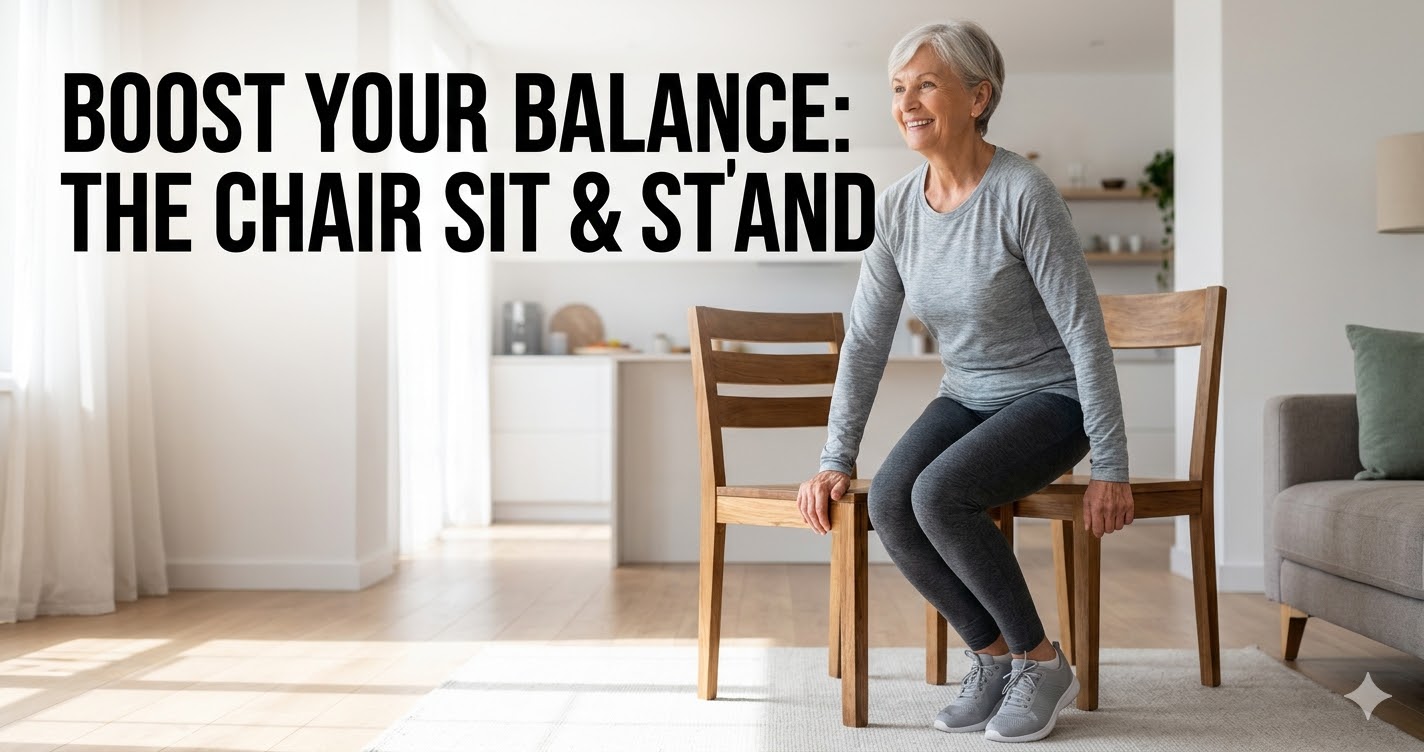
- 5 Minutes of Light Strength: Chair squats, wall push-ups, or calf raises.
- 5 Minutes of Breathing and Stretching: Deep belly breaths combined with stretches you genuinely enjoy.
Case Study: Martha’s Turnaround Martha, a 74-year-old retired teacher, suffered from stiff joints and relied on a cane around the house. She started with just 10 minutes of seated chair yoga. Within three months of consistent morning movement, she progressed to walking 30 minutes a day unassisted. Her secret? Consistency over intensity. Do something, because 20 minutes done beats the perfect workout that never happens.
Habit 2: The Hydration Foundation
Hydration is the unsung hero of energy, digestion, clear skin, and cognitive clarity. Unfortunately, thirst signals fade as we age. A staggering percentage of older adults are chronically dehydrated and don’t even feel it.
The Hidden Health Drain
Signs that you are under-hydrated include unexplained fatigue, lightheadedness, dry mouth, headaches, and constipation. When you stay on track with your water intake, you will notice steadier energy, easier digestion, and far fewer of those dreaded afternoon slumps.
How to Automate Your Hydration
Make drinking water an automatic reflex rather than a chore. Aim for 8 to 10 glasses daily (unless your clinician advises otherwise).
- Drink on waking: A full glass immediately after you get out of bed.
- Meal pairings: A glass with breakfast, lunch, and dinner.
- Strategic placement: Keep a reusable bottle exactly where you will see it—by the kettle, on the dining table, or right next to the TV remote.
Expert Tip: Pair your hydration with a “micro-movement.” Take a sip of water, stand up, roll your shoulders, take a deep breath, and sit back down. It’s tiny, but highly effective. Remember to taper your last glass one to two hours before bed to protect your sleep quality.

Habit 3: The Social Connection Commitment
Loneliness is not just an emotional burden; it is a physical health risk. Research equates the health risks of chronic isolation in seniors to smoking 15 cigarettes a day. After 65, connection must be fiercely intentional.
The 2-2-2 Rule for Building Connections
You must have meaningful contact with at least one person every single day. Don’t wait for others to reach out—take the initiative. Treat social connection like an unbreakable medical appointment with your future self. If getting started feels hard, try the 2-2-2 Rule:
- Two messages on Monday: Text a friend or email a former colleague.
- Two calls on Wednesday: Call a sibling or a neighbor.
- Two face-to-face moments by Sunday: Grab a coffee, attend a local class, or go for a short walk with an acquaintance.
Keep it simple. A simple “How are you today?” or “I saw this and thought of you” is enough to bridge the gap. Connection sharpens the mind, lifts the mood, and gives your week necessary structure.
Habit 4: The Daily Learning Challenge
Your brain requires exercise just as urgently as your body. The old adage “use it or lose it” is entirely real when it comes to cognitive decline.
Neuroplasticity After 65
Neuroplasticity—the brain’s ability to form new neural connections—does not stop at retirement. By giving your brain 30 minutes of active learning a day, you keep it agile. Variety is the key because it keeps your brain guessing and adapting.
A Weekly Brain-Training Rotation
- Monday: Read a chapter on a completely new topic (history, science, biography).
- Tuesday: Tackle crosswords, Sudoku, or Wordle.
- Wednesday: Watch a short tech tutorial and try a new app or adjust a setting on your smartphone.
- Thursday: Practice a foreign language for 10 minutes, then review.
- Friday: Engage in a hands-on hobby like sketching, knitting, or trying a new recipe.
- Weekend: Take an audio tour at a local museum, watch a deep-dive documentary, or attend a community talk.
Pro Tip: Teach back one thing you learned to a friend or a grandchild. Teaching locks the information in your brain and simultaneously builds social connection.
Habit 5: The Purpose Project
People who thrive have a meaningful project—something that helps others and gives the day a definitive structure. Purpose gets you up, gets you out, and makes you useful. And usefulness is a powerful medicine.
Finding Your Project Today
Start by asking yourself three simple questions: What do I enjoy? What do I know? Who could this help?
Purpose Project Ideas:
- Help an elderly neighbor set up video calling with their overseas family.
- Read to children at the local public library.
- Tend to a small garden that your neighbors can enjoy.
- Write one page of your family history each week to pass down to grandchildren.
- Bake for a community group or local fundraiser.
- Call new widows or widowers in your community once a month to check in.
Pick one tiny action that serves a real person. Schedule it, repeat it next week, and let it grow at its own natural pace. Purpose makes the hard days significantly easier to carry.

Habit 6: The Gratitude Practice
Gratitude might sound like a soft concept, but scientifically, it is incredibly strong. It lowers cortisol (the stress hormone), supports deeper sleep, and actively lifts your immune system. Most importantly, it changes what your brain defaults to noticing.
How to Make Gratitude Concrete
Each morning, state three things you are grateful for from yesterday. Each evening, state three things you look forward to tomorrow.
You can say them out loud, but writing them down is even better. Keep a small notebook by the kettle and write three lines while the water boils. If it feels silly or forced at first, give it just one week. Most people feel a massive psychological shift by day four. Suddenly, the exact same daily routine looks entirely different through the lens of gratitude.
Habit 7: The Evening Reflection and Planning Ritual
How you end your day dictates how you will begin the next. End your evening with a structured 10-minute check-in.
Winding Down for Better Sleep
Sit somewhere quiet, breathe slowly, and review your day. Ask yourself:
- What went well today?
- What could have been better?
- What did I learn?
Then, plan tomorrow lightly. Set one or two clear intentions. Name your main focus, choose your 20-minute movement window, pick one person you will contact, and choose one small step for your purpose project.
Protect your sleep environment fiercely. Dim the lights an hour before bed, cool the room down, put screens away, and drink herbal tea. After your gratitude practice, it’s lights out.
Overcoming Common Roadblocks
Even the most dedicated individuals hit bumps in the road. Here is how to navigate them:
- “I missed two days and blew it.” You are human. Restart today. The golden rule of habit building is: Never miss twice in a row.
- “My knees hurt.” Swap to chair-based movements and gentle range-of-motion exercises. Ice after activity if needed, and always talk to your clinician if pain persists.
- “I forget to drink water.” Pair water with a visual cue (the TV remote, your pill box). Set a phone timer until it becomes completely automatic.
- “I don’t know who to call.” Make a list of five names and rotate through them. Join one group or class, and watch your list grow fast.
Your Best Years Are Ahead
Aging is inevitable, but how you age is entirely up to you. These seven habits are simple, but when practiced daily, they are transformative. Change happens one day at a time. Start with just one habit today, master it for a month, and then add another. Stack them like bricks to build a life that fully supports you.
Which habit will you start today? Let me know in the comments below—I read every single one. If you found this helpful, be sure to bookmark this page and share it with a friend who is ready to thrive!