How to Age Well and Live Longer: Habits That Actually Work After 60
Getting older isn’t something that happens to you — it’s something you can actively shape. And the science says it’s never too late to start.
There’s a quiet revolution happening in the world of longevity research, and it has almost nothing to do with expensive supplements, high-tech gadgets, or miracle cures. What the data keeps pointing back to — study after study, decade after decade — is startlingly simple: the small, daily choices you make determine how well and how long you live.
If you’re in your 60s, 70s, or even beyond, this is actually the best news you could hear. Because it means the script isn’t written yet. The habits you build today — this week, this month — can genuinely add quality years to your life. Not just years, but good years. Years with energy, clarity, connection, and joy.
This guide brings together the best evidence-based habits for aging well, written not for medical journals, but for real people living real lives. Let’s dig in.
1. Move Your Body Like Your Life Depends on It — Because It Does
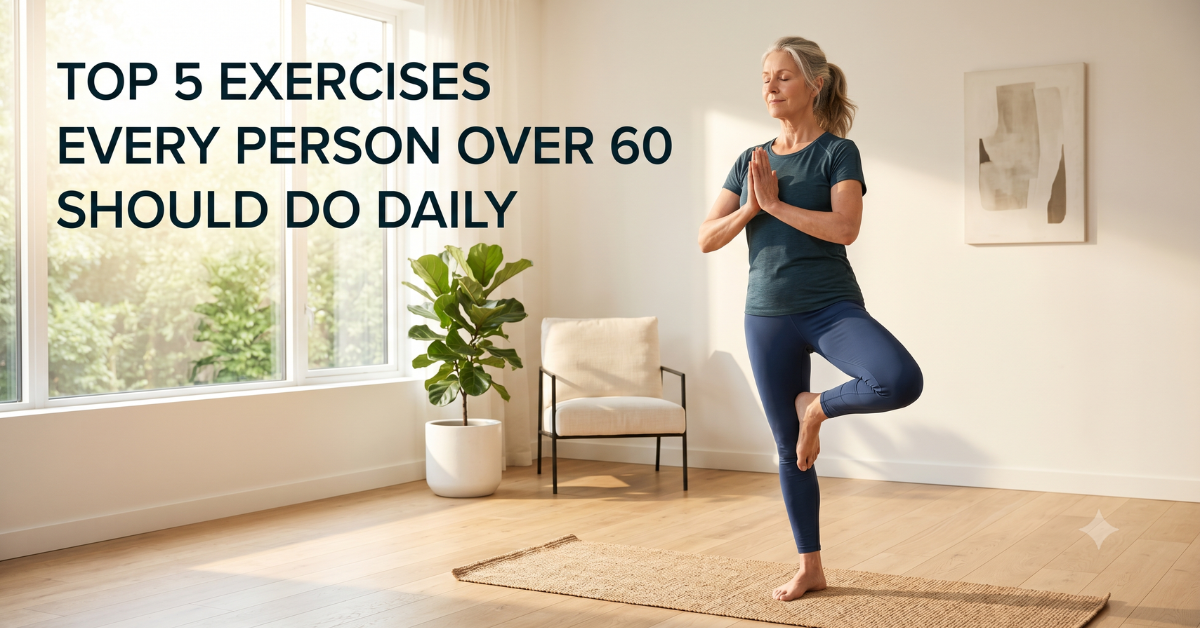
If there is one single habit with the most research behind it for extending healthy lifespan, it is physical movement. Not marathon running, not CrossFit. Just consistent, intentional movement that fits your body and your life.
A landmark study from the American Journal of Preventive Medicine found that adults over 60 who engaged in just 150 minutes of moderate activity per week — that’s about 22 minutes a day — reduced their risk of premature death by up to 35 percent compared to sedentary peers. More striking still: people who started exercising later in life still captured most of those benefits.
What “movement” actually means after 60:
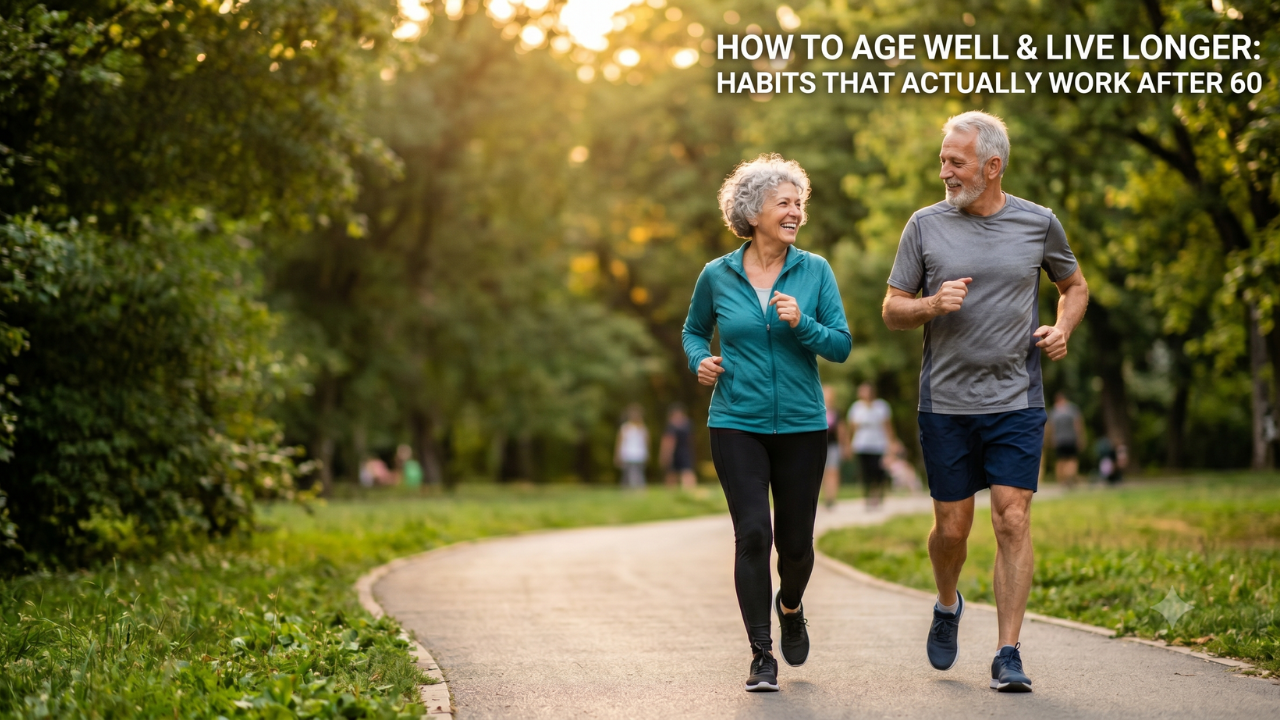
- Walking — Still the most underrated longevity tool on the planet. Thirty minutes a day, most days, is transformative.
- Resistance training — Twice a week helps preserve muscle mass (sarcopenia is a real threat after 60) and keeps your metabolism from slowing to a crawl.
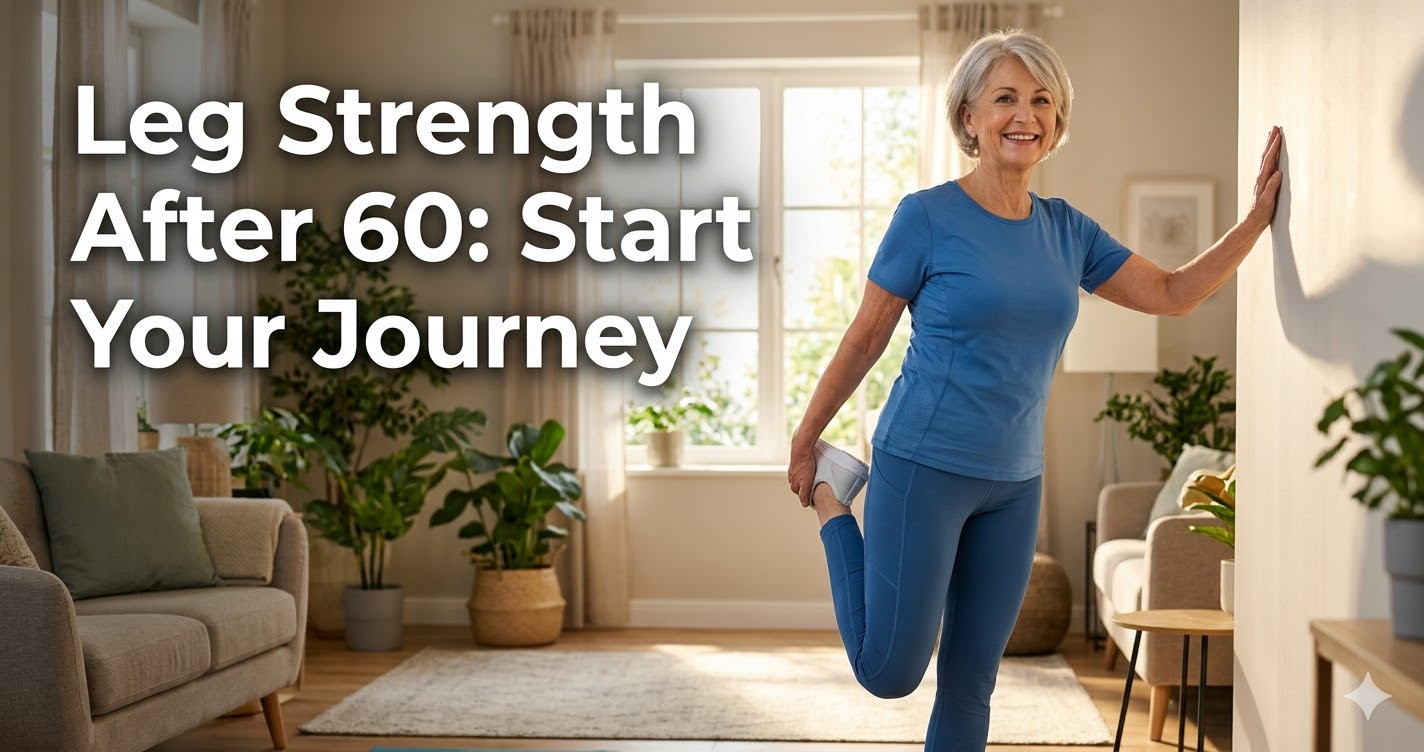
- Stretching and balance work — Yoga, tai chi, or simple daily stretching reduces fall risk dramatically, which is one of the top causes of loss of independence in seniors.
- Swimming or water aerobics — If joint pain limits you, water is your best friend. The resistance is real; the impact is not.
The key isn’t perfection — it’s consistency. Five walks a week beats one brutal workout followed by a week on the couch every single time.
Recommended for Active Seniors
Your Joints Deserve This — Don’t Wait Until They Ache to Act
Doctor’s Best Glucosamine + Chondroitin + MSM is the triple-action formula thousands of seniors won’t go a day without. Once you feel the difference, you’ll wonder how you ever managed without it.
🛒 See It on iHerb — Your Joints Will Thank You2. What You Eat After 60 Is Completely Different — Here’s Why
Here’s something most people don’t realize: your nutritional needs change significantly after 60. You may actually need more protein than you did at 40, even as your overall calorie needs decrease. Your body becomes less efficient at absorbing certain vitamins and minerals. And the foods that served you well for decades may need some updating.
The Blue Zones research — the groundbreaking study of communities around the world where people routinely live to 100 in good health — revealed a striking common thread: their diets were predominantly plant-based, rich in legumes, whole grains, vegetables, and healthy fats, and very low in processed food and sugar.
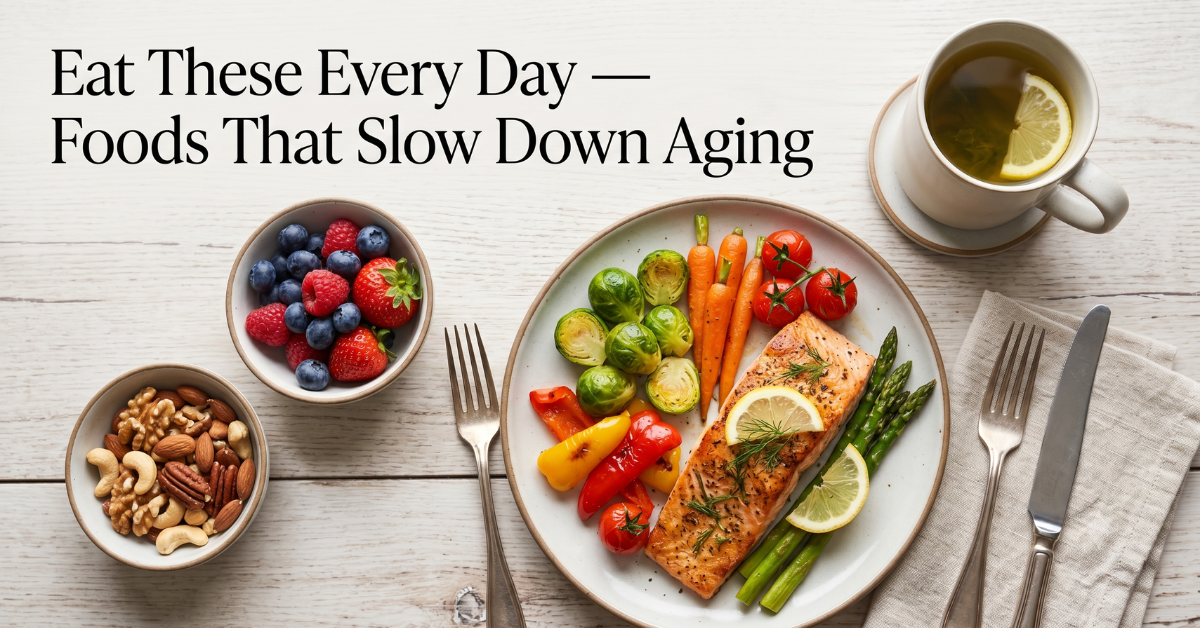
The Anti-Aging Plate — What to Prioritize:
- Lean protein at every meal — Eggs, fish, chicken, legumes, and Greek yogurt help fight muscle loss. Aim for 1.0–1.2g of protein per kg of body weight daily.
- Colorful vegetables and berries — These are your body’s anti-inflammatory allies. The deeper the color, the higher the antioxidant load.
- Omega-3 rich foods — Fatty fish like salmon, sardines, and mackerel support brain health, heart function, and joint flexibility.
- Fermented foods — Yogurt, kimchi, sauerkraut, and kefir support the gut microbiome, which plays a surprising role in immunity and even mood.
- Plenty of water — Seniors are more prone to dehydration and often don’t feel thirsty until it’s already a problem. Eight glasses a day is a reasonable floor.
What to reduce: ultra-processed foods, refined sugars, excess sodium, and alcohol. None of these need to be completely banned — but treating them as occasional rather than daily is one of the most impactful changes you can make.
Nutritional Support for Seniors
The Vitamin 90% of Seniors Are Deficient In — Are You One of Them?
Vitamin D3 supports bone density, immune defense, mood regulation, and muscle function — four things every person over 60 needs on their side. Bluebonnet’s 5,000 IU softgels are a straightforward, trusted solution.
🌟 Check It Out on iHerb3. Sleep Isn’t Laziness — It’s the Foundation of Everything
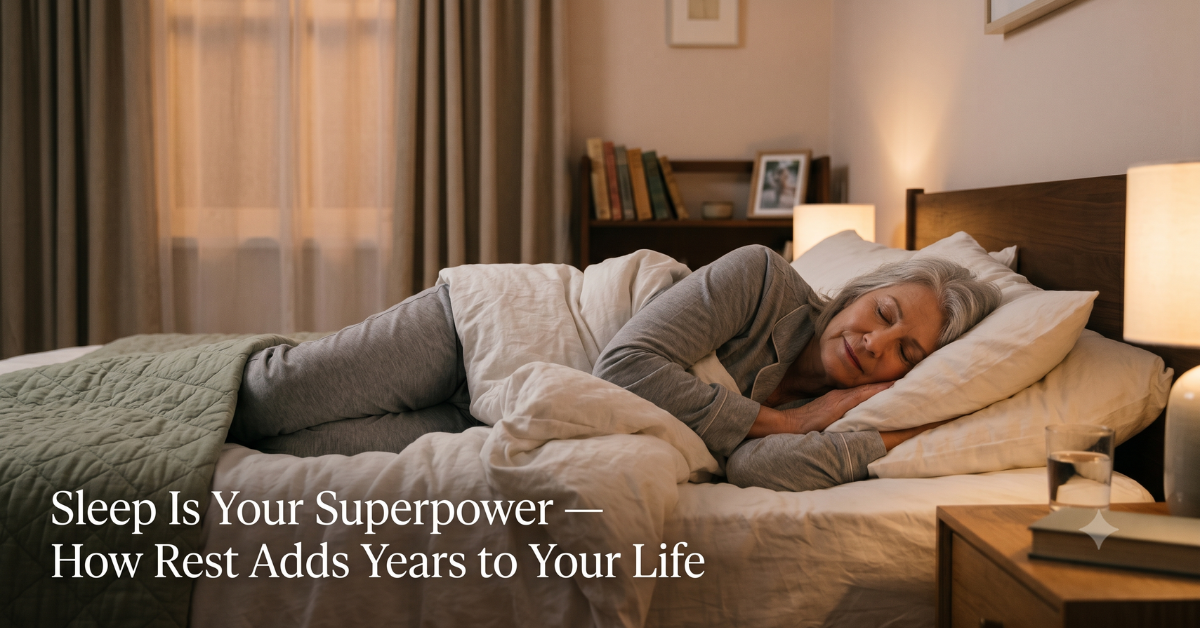
We live in a culture that quietly celebrates busyness and quietly stigmatizes rest. But the science on sleep and longevity is unambiguous: consistent, quality sleep is one of the most powerful anti-aging tools available to us — and it’s completely free.
During deep sleep, your body carries out its most critical maintenance work: repairing cells, consolidating memories, clearing metabolic waste from the brain, balancing hormones, and reinforcing the immune system. When sleep is chronically disrupted or insufficient, these processes are interrupted — and the effects accumulate faster than most people realize.
Adults over 60 often experience changes in sleep architecture: lighter sleep, more frequent waking, earlier wake times. These are normal. But they don’t have to mean poor sleep. What changes is the approach.
Sleep Habits That Genuinely Help After 60:
- Keep a consistent schedule — Same bedtime and wake time every day (yes, including weekends) anchors your circadian rhythm.
- Make your bedroom a sleep sanctuary — Cool, dark, quiet. Remove screens. Invest in a good pillow and mattress — you spend a third of your life there.
- Wind down deliberately — A 30-minute pre-sleep ritual (reading, gentle stretching, herbal tea) signals your nervous system to downshift.
- Limit alcohol near bedtime — It may feel like it helps you fall asleep, but it fragments sleep quality significantly in the second half of the night.
- Get morning sunlight — Even 10–15 minutes outside in the morning helps reset your internal clock and makes falling asleep easier that night.
Heart & Brain Support
The Omega-3 Formula Serious About Longevity — This Isn’t Your Average Fish Oil
California Gold Nutrition Omega-800 delivers ultra-concentrated EPA and DHA in the bioavailable triglyceride form — the way your body actually absorbs it. Heart health, brain function, and inflammation control in one softgel.
🐟 See It on iHerb — Premium Omega-34. The Longevity Habit Nobody Talks About Enough: Human Connection
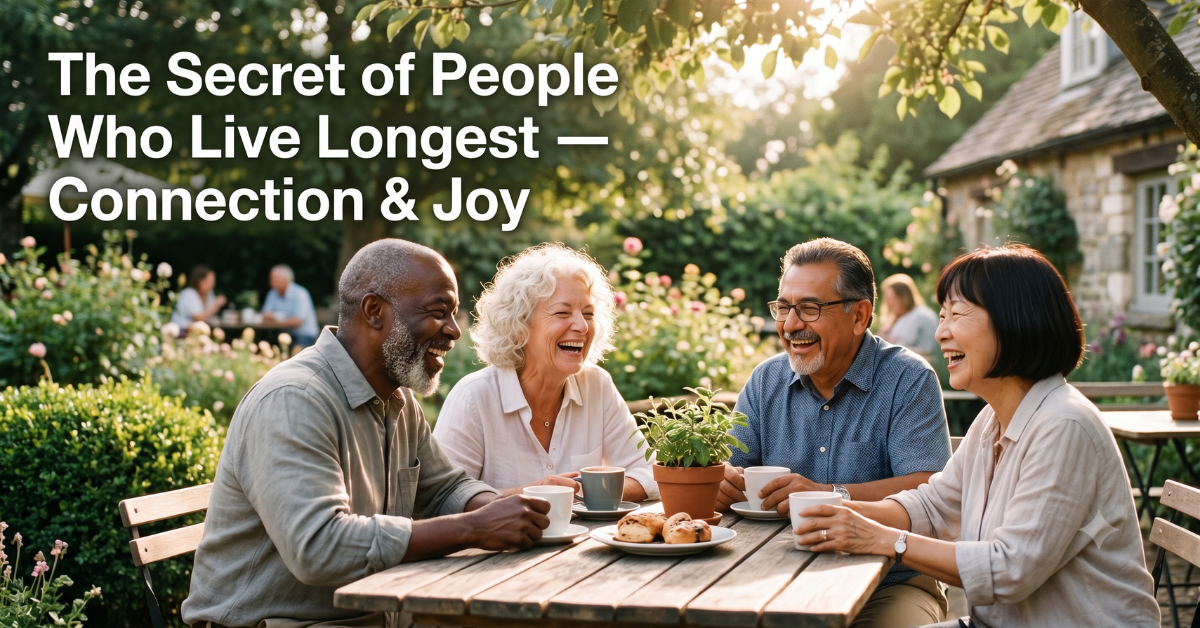
Harvard’s Study of Adult Development — the longest-running study on happiness and health ever conducted — followed 700+ men across 85 years. Its most stunning finding wasn’t about diet, exercise, or genetics. It was this: the quality of your relationships at midlife is the single strongest predictor of how well you age.
Loneliness, the researchers found, is as damaging to health as smoking 15 cigarettes a day. It accelerates cognitive decline, weakens immune function, raises blood pressure, and increases mortality risk dramatically. And yet, social isolation is quietly epidemic among seniors.
This isn’t about being an extrovert. It’s about intentionality. The Blue Zone communities where people live longest aren’t distinguished by extraordinary individuals — they’re distinguished by cultures that build connection into daily life: communal meals, neighborhood check-ins, active faith communities, intergenerational bonds.
Practical Ways to Strengthen Your Social Health:
- Join a class, club, or group centered on something you genuinely enjoy — gardening, walking, cards, choir, art. Shared interest makes connection feel natural.
- Schedule calls with family and close friends — don’t leave them to chance. A weekly video call with someone you love does more for your health than you might think.
- Volunteer. Giving your time and skills to others creates a sense of purpose and community that is deeply protective against depression and cognitive decline.
- Don’t underestimate acquaintances — research shows that “weak ties” (neighbors, local shopkeepers, fellow regulars at a coffee shop) contribute meaningfully to wellbeing.
5. Keep Your Brain in the Game: Cognitive Longevity After 60
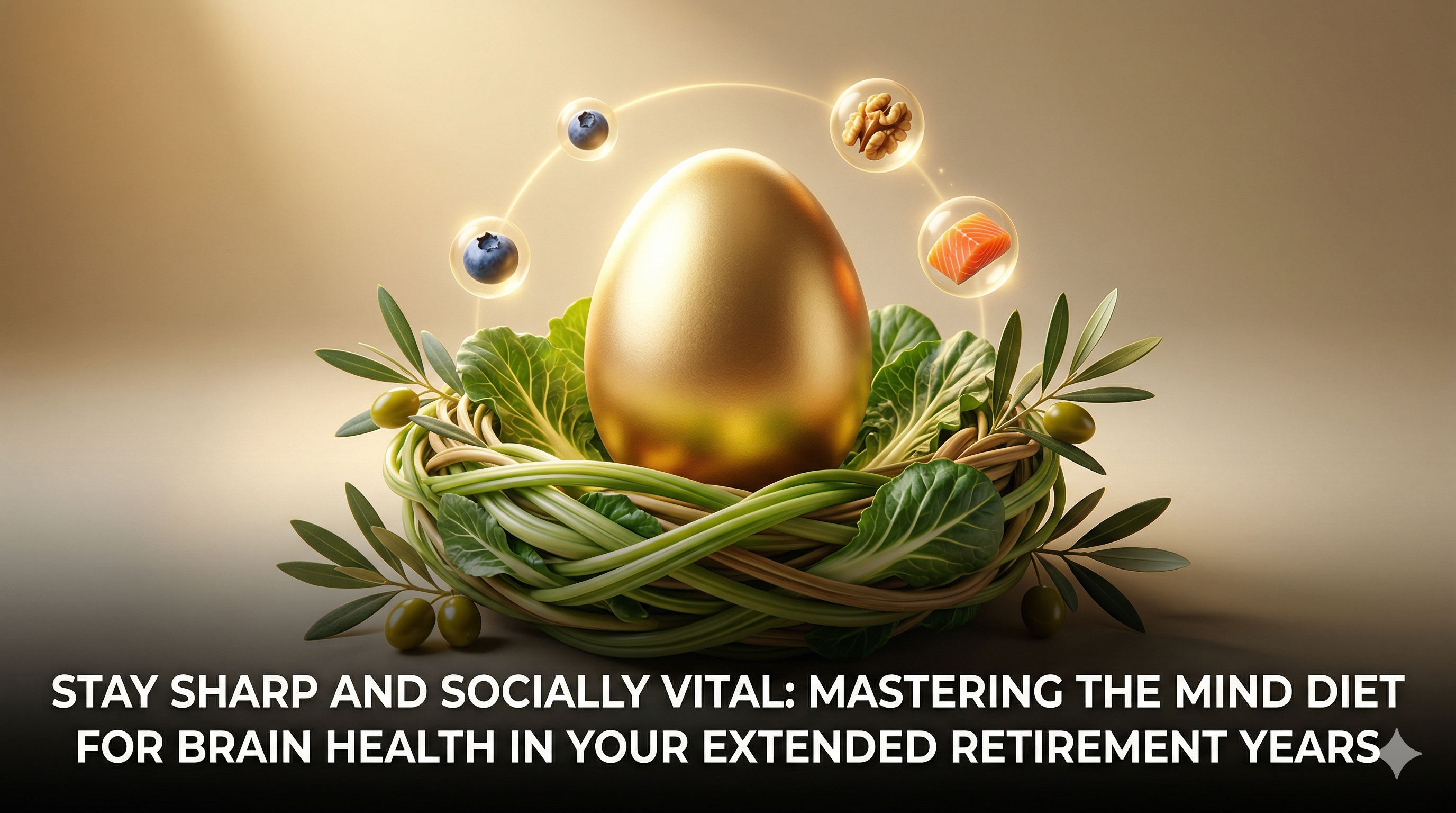
Your brain is not on a fixed trajectory. While it’s true that some cognitive changes begin in our 60s — slower processing speed, occasional word-finding difficulty — the brain retains a remarkable capacity for growth and adaptation throughout life. The term neuroplasticity refers to the brain’s ability to form new connections, and we now know this never fully stops.
What drives cognitive decline most isn’t age — it’s inactivity, isolation, poor sleep, chronic stress, and cardiovascular disease. Which means many of the habits we’ve already discussed directly protect your brain, too.
Habits That Build a Sharper, More Resilient Mind:
- Learn something genuinely new — A new language, a musical instrument, watercolor painting. The challenge of true novelty stimulates neural growth in ways passive entertainment simply doesn’t.
- Read widely — Books, long-form articles, anything that requires sustained attention. Reading is one of the best-studied protective factors for cognitive health.
- Manage stress actively — Chronic stress floods the brain with cortisol, which is directly neurotoxic over time. Meditation, prayer, journaling, or simply time in nature can interrupt the stress cycle.
- Maintain purpose — Having a reason to get up each morning — a project, a role, a mission — is one of the most consistent predictors of longevity across cultures. Japanese researchers call it ikigai: a reason for being.
Energy & Heart Health
Feel the Difference in 30 Days — The CoQ10 Formula That Cardio Patients Trust
CoQ10 levels drop naturally after 40, leaving your heart and muscles starved of cellular energy. Healthy Origins CoQ10 300mg is a high-potency softgel formula that thousands of seniors use to support heart health, energy production, and cognitive vitality.
❤️ Get CoQ10 on iHerb6. Your 30-Day Aging Well Action Plan: Step-by-Step
Knowing what to do is the first step. But implementation is where the magic actually happens. Here’s a realistic, compassionate plan to get started — not with overwhelming change, but with purposeful, sustainable momentum.
✅ Week 1 — Foundation
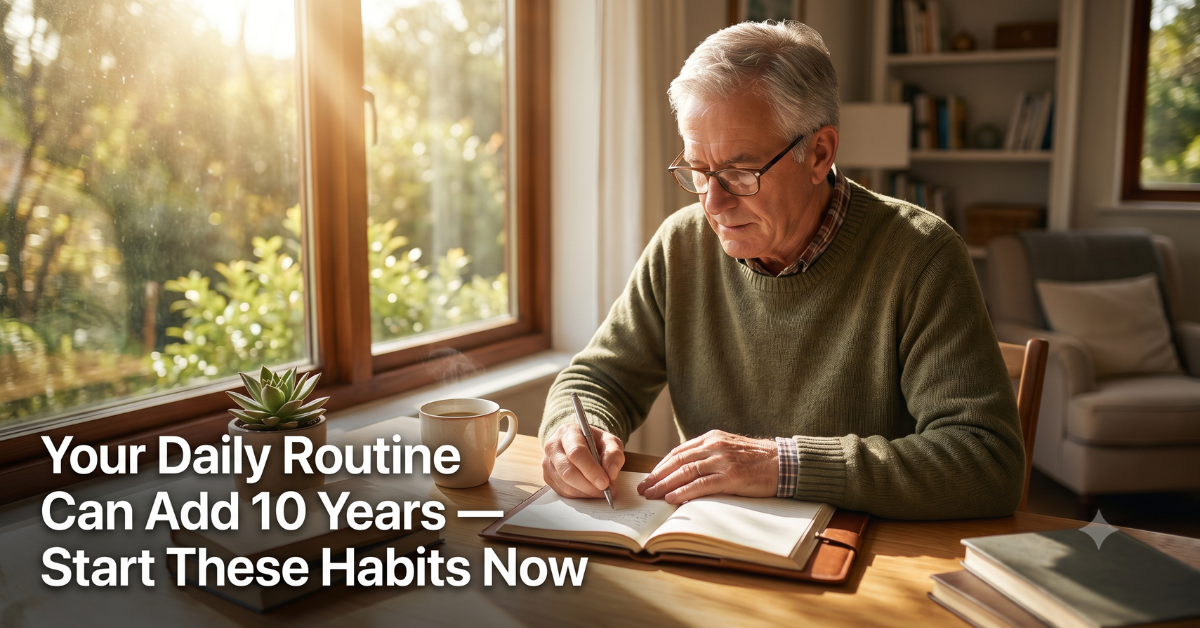
Start with one walk per day, even if it’s just 15 minutes. Add one extra serving of vegetables to two meals. Set a consistent bedtime and wake time. Begin a simple gratitude journal — three things each morning. These aren’t dramatic; that’s the point.
✅ Week 2 — Build the Physical Layer
Add two sessions of simple resistance training (body weight squats, wall push-ups, resistance bands — nothing fancy). Swap one processed snack daily for nuts, fruit, or yogurt. Call or visit one person you care about who you haven’t connected with recently.
✅ Week 3 — Deepen the Mental Game
Identify one new thing to learn — sign up for a class, pick up a book on an unfamiliar topic, download a language app. Practice 10 minutes of quiet meditation or mindful breathing each morning. Review your supplement routine and fill any clear nutritional gaps.
✅ Week 4 — Lock In the Lifestyle
Review what’s working and double down on it. Add one social commitment to your weekly calendar that you’ll actually honor. Take stock of your purpose: what are you building, contributing to, or growing toward? Write it down. This is your ikigai in action.
Complete Daily Foundation
The Multivitamin That Wellness Professionals Actually Take
Thorne Basic Nutrients 2/Day isn’t your average drugstore multi. It’s a carefully formulated, highly bioavailable blend that gives your body what it actually needs after 60 — without the fillers, binders, or artificial ingredients that bog down lesser products. Two capsules a day. That’s it.
💊 See Thorne Basic Nutrients on iHerbThe Bottom Line: Aging Well Is a Practice, Not a Destination
There is no finish line in the art of aging well. It isn’t something you achieve once and then coast on. It’s a living practice — a daily commitment to the small choices that compound over time into something extraordinary.
The people who age most gracefully aren’t the ones with perfect genetics or unlimited resources. They are the ones who move their bodies regularly, eat with intention, sleep without guilt, stay curious, nurture their relationships, and hold onto a reason for being. That description is available to any of us.
You don’t have to overhaul everything at once. Start with one thing. Then add another. Stack small wins. Trust the process. Give it time — because you have more time than you think, and it’s worth spending wisely.
🎬 Want More Guidance Like This?
We share weekly video guides on healthy aging, senior wellness, and living well after 60 on our YouTube channel — SeoulcastUSA. Subscribe and join a community of people who believe the best years aren’t behind us.
▶️ Visit SeoulcastUSA on YouTube💡 Frequently Asked Questions
Is it really possible to improve your health significantly after 60?
Absolutely. Multiple large studies confirm that lifestyle changes made in your 60s and even 70s produce meaningful improvements in cardiovascular health, muscle mass, cognitive function, and overall lifespan. Your body retains a remarkable capacity to respond to positive change at any age.
How much exercise is safe for someone over 60 with joint pain?
Low-impact options like walking, swimming, water aerobics, cycling, and yoga are generally well-tolerated even with joint issues. Always consult your doctor before starting a new exercise program. The goal is consistent, pain-free movement — not intensity.
What supplements are most beneficial for healthy aging after 60?
Common supplements for seniors include Vitamin D3 (many older adults are deficient), Omega-3 fatty acids, CoQ10, a quality multivitamin, and joint support formulas like Glucosamine + Chondroitin + MSM. Always discuss supplements with your healthcare provider before starting them.
How does sleep quality change after 60, and what can help?
Seniors often experience lighter sleep, more frequent waking, and earlier wake times. Keeping a consistent sleep schedule, creating a dark and cool bedroom environment, limiting alcohol, and getting morning sunlight can all improve sleep quality significantly without medication.
Why is social connection considered a longevity factor?
Harvard’s landmark 85-year study found that relationship quality is the single strongest predictor of healthy aging. Chronic loneliness raises cortisol, impairs immune function, accelerates cognitive decline, and increases mortality risk — equivalent, researchers say, to smoking 15 cigarettes per day.
🌿 Weekly wellness, health & beauty insights — straight to your inbox
Free subscription · Cancel anytime