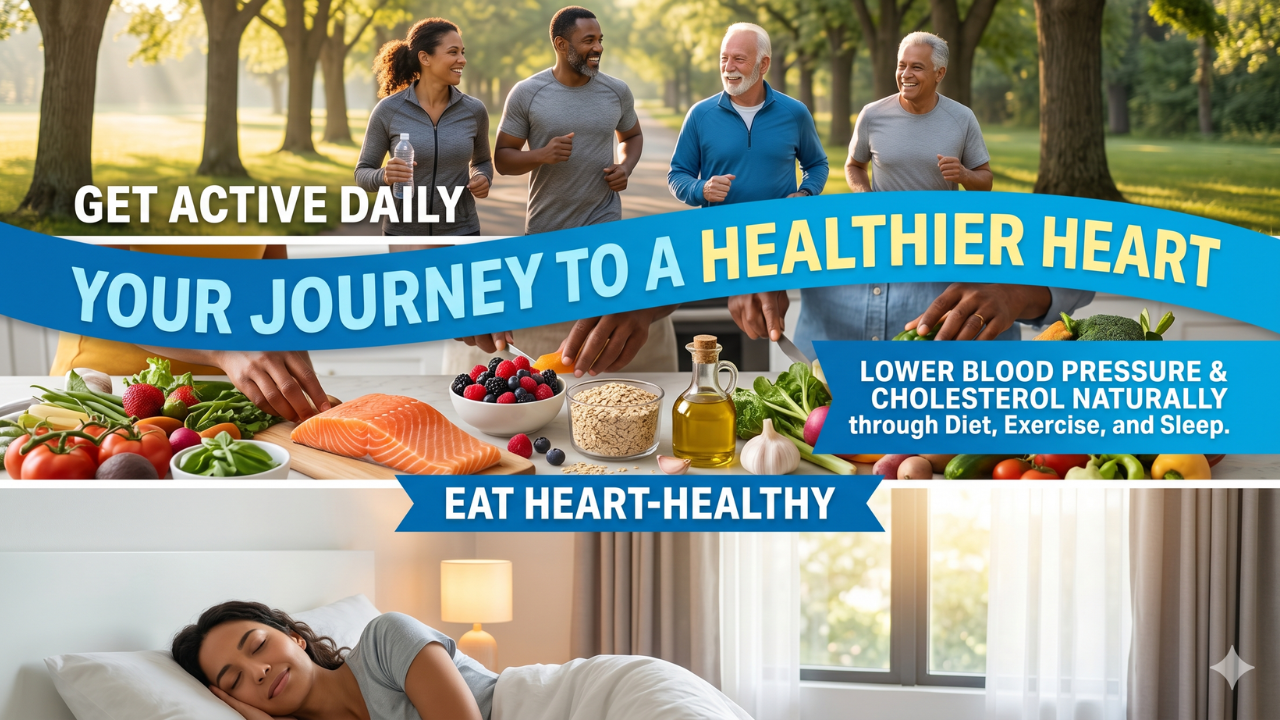
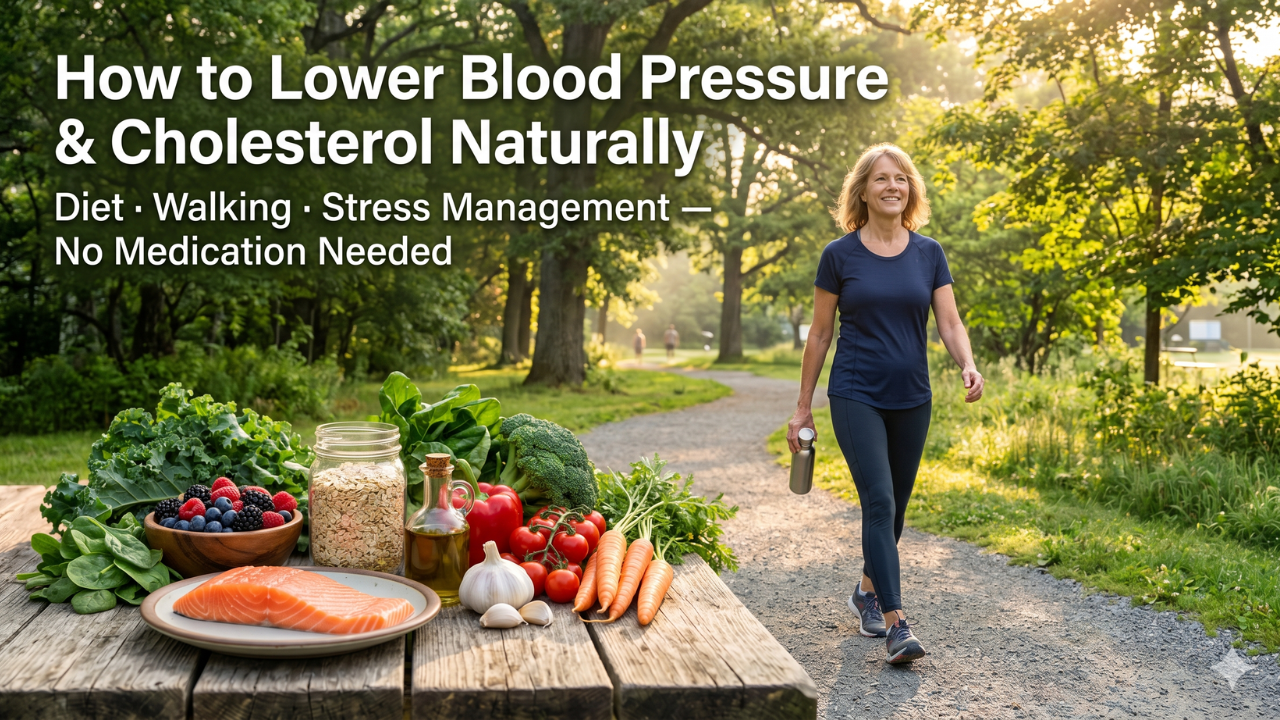
“Do I really need medication?” — If you’ve walked out of a doctor’s office with elevated blood pressure or cholesterol numbers, this is probably the first question you’ve asked yourself. For millions of people, the answer is: not yet.
High blood pressure and elevated cholesterol are two of the most common chronic conditions in adults over 50 — and also two of the most modifiable. Unlike genetic conditions that require pharmaceutical intervention, both of these tend to be driven by lifestyle: what we eat, how much we move, how well we sleep, and how effectively we manage stress.
This guide isn’t about avoiding medical care. It’s about giving your body the tools it needs to self-regulate — because it is remarkably capable of doing exactly that, when you work with it rather than against it. The evidence is clear and compelling: sustained lifestyle change can lower systolic blood pressure by 10–20 mmHg and reduce LDL cholesterol by 20–30% — results that rival many first-line medications, with zero side effects.
Let’s get into exactly how to do it.
Section 01Start With What You Eat: The Diet That Changes Everything
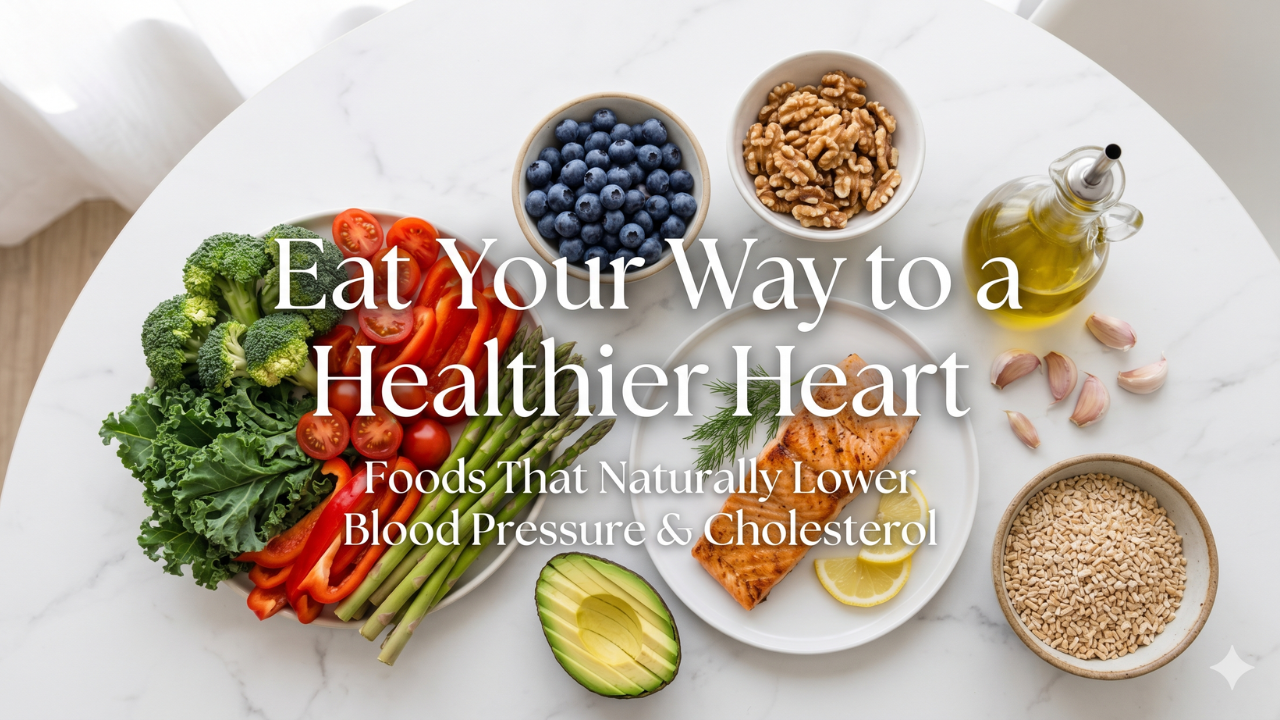
Of all the lifestyle factors that influence blood pressure and cholesterol, diet is the most powerful single lever you can pull. Not a fad diet, not a week-long cleanse — a sustainable, whole-foods approach that your cardiovascular system responds to within days to weeks.
The DASH Diet: Clinically Proven for Blood Pressure
The Dietary Approaches to Stop Hypertension (DASH) diet is the most extensively researched dietary intervention for blood pressure management. Developed by the National Institutes of Health and validated across dozens of clinical trials, it consistently lowers systolic blood pressure by 8–14 mmHg in people with hypertension. Here’s what it emphasizes:
- Fruits and vegetables — aim for 8 to 10 servings per day; focus on potassium-rich options like bananas, sweet potatoes, and leafy greens
- Whole grains — oats, brown rice, barley, and quinoa over refined carbohydrates
- Lean proteins — legumes, chicken, turkey, and especially fatty fish
- Low-fat dairy or fortified alternatives — for calcium and magnesium
- Nuts and seeds — walnuts, flaxseeds, chia seeds, and almonds in moderate daily portions
- Severely restricted sodium — under 1,500–2,300 mg per day; reducing sodium alone can drop systolic pressure by 5–6 mmHg within two weeks
Omega-3 Fatty Acids: The Cholesterol Fighter Your Body Loves
Omega-3 polyunsaturated fatty acids — found in salmon, mackerel, sardines, anchovies, and certain plant sources like flaxseed and walnuts — have one of the strongest evidence bases of any dietary intervention for cardiovascular health. They work through multiple pathways simultaneously:
- Dramatically lower triglyceride levels (by up to 30% in high-dose studies)
- Reduce systemic inflammation in arterial walls
- Modestly raise HDL (good) cholesterol
- Improve arterial flexibility, which directly lowers blood pressure
- Reduce the tendency of platelets to form dangerous clots
Aim for at least two servings of fatty fish per week. When diet alone isn’t sufficient — which is the case for most people — a high-quality omega-3 supplement in triglyceride form offers superior bioavailability compared to ethyl ester forms.
Triglyceride form for maximum absorption. 1,000mg per softgel. KD-PUR certified. One of the cleanest, most bioavailable omega-3 formulas available — no fishy aftertaste.
View on iHerb →The Foods to Reduce or Eliminate
What you remove from your diet matters just as much as what you add. The biggest offenders for both blood pressure and cholesterol are:
- Saturated fats — primarily from red meat, full-fat dairy, butter, and tropical oils (coconut, palm). They directly raise LDL cholesterol levels.
- Trans fats — still lurking in some packaged baked goods and fried foods as “partially hydrogenated oils.” They simultaneously raise LDL and lower HDL — the worst possible combination.
- Added sugars and refined carbohydrates — white bread, sugary drinks, pastries, and white rice spike insulin and triglycerides.
- Excess sodium — the hidden danger in canned soups, deli meats, condiments, and restaurant meals. Read labels; aim for under 600mg per meal.
- Excess alcohol — more than one drink per day for women or two for men raises both blood pressure and triglycerides significantly.
The Superfoods Worth Highlighting
Certain foods have earned their reputation through consistent clinical evidence, not just marketing:
- Garlic: Contains allicin, which has demonstrated mild but measurable blood pressure-lowering effects — roughly 5 mmHg systolic in multiple meta-analyses. Use it fresh for maximum potency.
- Blueberries: Rich in anthocyanins that improve arterial flexibility and reduce oxidative stress in blood vessel walls.
- Oats: Beta-glucan fiber in oats binds to bile acids in the gut, effectively removing cholesterol from circulation. A daily bowl of oatmeal can lower LDL by 5–10%.
- Dark leafy greens: Spinach, kale, and Swiss chard are loaded with potassium, magnesium, and nitrates — all of which support healthy blood pressure.
- Avocado: Rich in monounsaturated fats and potassium, it improves the LDL-to-HDL ratio while providing anti-inflammatory benefits.
Section 02Move Your Body: Why Walking Is Underrated Medicine
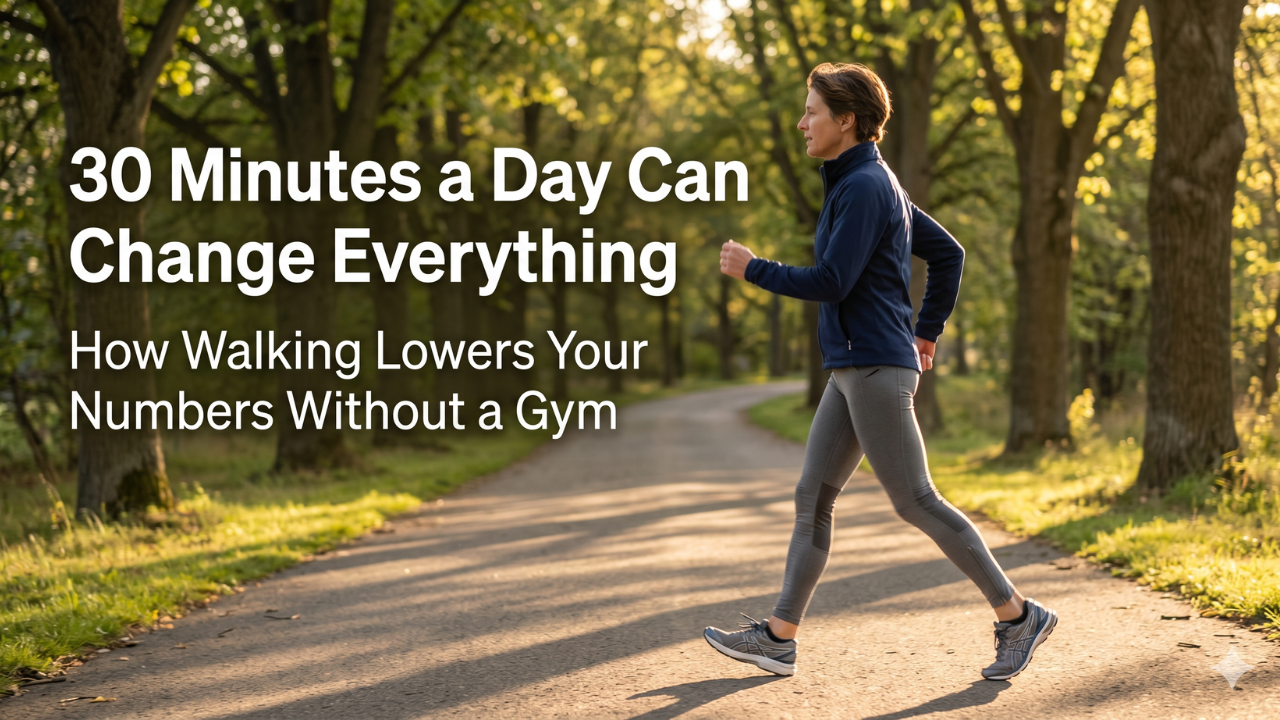
You don’t need a gym membership, a personal trainer, or an expensive fitness tracker. You need a comfortable pair of shoes and 30 minutes of consistent walking, most days of the week. That’s it. The cardiovascular benefits are profound, well-documented, and begin within the first few weeks.
What Regular Exercise Does to Your Numbers
When you exercise consistently, your heart gradually becomes more efficient — it pumps more blood per beat, which means it doesn’t need to work as hard at rest. This directly lowers resting blood pressure. At the same time, regular aerobic activity:
- Lowers resting blood pressure by an average of 5–8 mmHg systolic
- Raises HDL (good) cholesterol by up to 10%
- Reduces LDL cholesterol modestly but meaningfully
- Lowers triglycerides significantly — often by 20–30%
- Improves insulin sensitivity, which has cascading benefits for metabolic health
- Reduces the chronic low-grade inflammation that damages arterial walls over time
The best exercise for your heart is the one you will actually do consistently. For most people over 50, that’s brisk walking — and it’s more than enough.
Building a Walking Routine That Sticks
- Morning walks are best: Morning sunlight regulates cortisol, you’re less likely to skip later, and you start the day with a win.
- Start with 15 minutes if 30 feels daunting. Consistency beats duration every time — a daily 15-minute walk beats an occasional 60-minute one.
- Walk after meals: A 10-minute post-meal walk blunts blood sugar and insulin spikes, which directly benefits triglyceride management.
- Choose enjoyable routes: Parks, waterfront paths, and quiet neighborhoods reduce the mental friction of getting started.
- “Habit stack” your walk: Attach it to something you already do — morning coffee, lunch break, or after dinner. This dramatically improves adherence.
Joint-supportive, cushioned, and breathable. Designed specifically for everyday walking on varied terrain. A reliable shoe makes the difference between a habit that lasts and one that doesn’t.
View on Amazon →Add Resistance Training Twice a Week
Two sessions per week of light resistance training further reduces blood pressure and improves metabolic markers. No gym required — bodyweight exercises like wall push-ups, chair squats, and calf raises, or simple resistance band routines, are highly effective and joint-friendly for beginners and older adults alike.
Section 03Manage Stress: The Silent Driver No One Talks About

Most people understand that diet and exercise affect blood pressure and cholesterol. Far fewer realize that chronic psychological stress is one of the most powerful drivers of both conditions — and one of the least addressed.
Here’s the physiology: when you experience stress, your adrenal glands release cortisol and adrenaline. In short bursts, these are useful hormones. But when they remain chronically elevated due to ongoing work pressure, financial worry, relationship tension, or health anxiety, they:
- Constrict blood vessels and raise heart rate — directly elevating blood pressure
- Signal the liver to produce more LDL cholesterol as an emergency energy source
- Promote systemic inflammation throughout the cardiovascular system
- Disrupt sleep, which compounds every other health metric
- Drive stress-eating behaviors that further worsen lipid profiles
Proven Stress Reduction Techniques
Deep Breathing — The 4-7-8 Method: Inhale through the nose for 4 counts, hold for 7, exhale slowly through the mouth for 8. Do this for 5 minutes, twice daily. Research shows it activates the parasympathetic nervous system within minutes, directly lowering heart rate and blood pressure. It costs nothing and works immediately.
Mindfulness Meditation: Even 10 minutes of daily mindfulness practice has been shown in randomized controlled trials to reduce systolic blood pressure by 4–5 mmHg over an 8-week period. Apps like Calm or Headspace provide excellent guided sessions for beginners.
Gratitude Journaling: Writing three things you’re grateful for each morning measurably reduces cortisol levels throughout the day. It sounds almost too simple — but the evidence is there.
Nature Exposure (Shinrin-yoku): Japanese researchers have documented that quiet time spent among trees — called forest bathing — lowers cortisol, reduces blood pressure, and slows heart rate. A park walk serves as both exercise and stress therapy simultaneously.
Innovative Extracts offers plant-based wellness formulations designed to support calm, mental clarity, and physiological balance — a natural complement to stress management practices like meditation and breathwork.
Section 04Prioritize Sleep: Your Cardiovascular System’s Nightly Reset
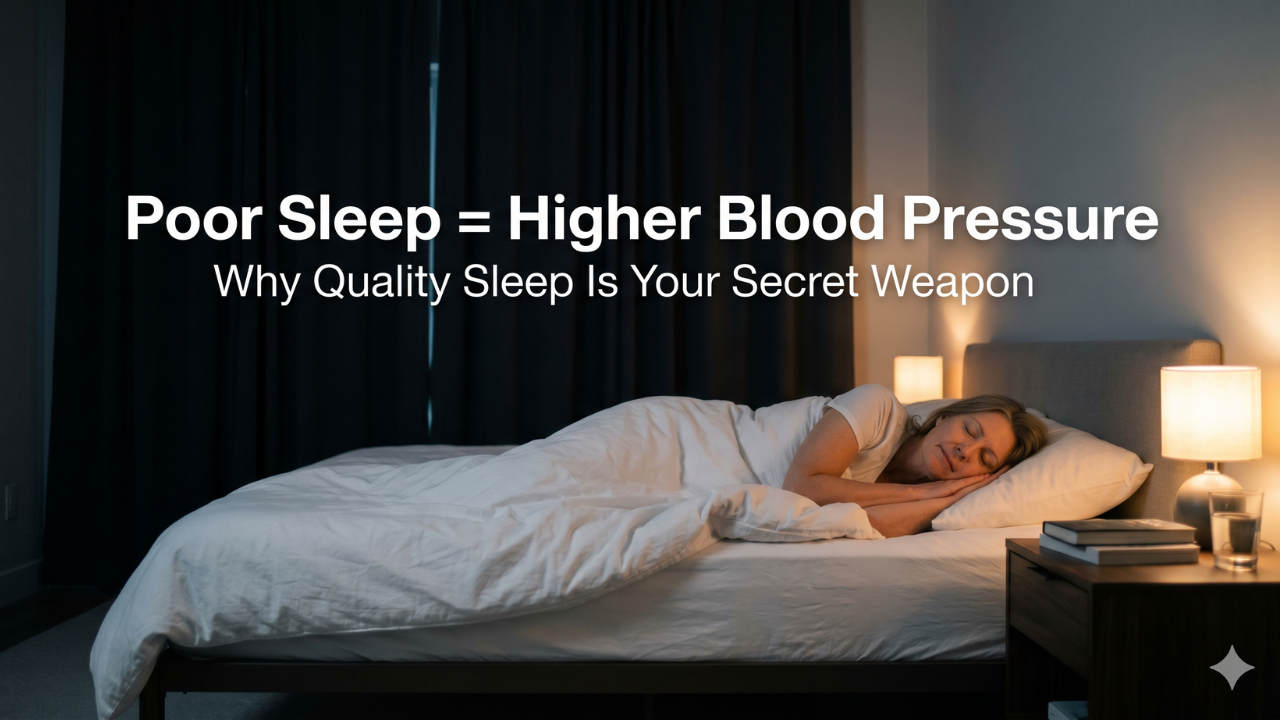
You can eat perfectly, walk every day, and meditate faithfully — but if you’re consistently sleeping fewer than six hours per night, your blood pressure and cholesterol numbers will likely remain stubbornly elevated. Sleep isn’t passive recovery. It is when your cardiovascular system actively repairs and resets.
During deep, restorative sleep, blood pressure naturally dips by 10–20% — a phenomenon researchers call “nocturnal dipping.” This nightly pressure relief gives arterial walls critical rest and time for cellular repair. People who don’t experience this dip — because of poor sleep quality, sleep apnea, or chronic short sleep — have significantly higher rates of hypertension, heart disease, and stroke.
Chronic poor sleep also:
- Elevates cortisol the following day, which raises blood pressure and LDL
- Disrupts leptin and ghrelin — the hunger hormones — promoting overeating of high-fat, high-sugar foods
- Reduces insulin sensitivity, indirectly raising triglycerides
- Increases systemic inflammation throughout the cardiovascular system
Building Better Sleep Habits
- Consistent schedule: Same bedtime and wake time every day — including weekends. Your circadian rhythm responds powerfully to regularity.
- Cool, dark, quiet room: Optimal sleep temperature is 65–68°F (18–20°C). Use blackout curtains and consider a white noise machine if needed.
- No screens 60 minutes before bed: Blue light from phones and tablets suppresses melatonin production and delays sleep onset.
- Limit caffeine after 2pm: Caffeine has a half-life of 5–6 hours in most adults — a 3pm coffee can still be disrupting sleep at 9pm.
- Magnesium glycinate at bedtime: This form is highly absorbable and has both sleep-improving and modest blood pressure-lowering effects. 200–400mg before bed is well-tolerated by most adults.
- Evaluate for sleep apnea: If you snore heavily or wake unrefreshed despite adequate hours, speak with your doctor about a sleep study. Untreated sleep apnea is a major, independent cause of hypertension.
Target 7 to 9 hours of quality sleep per night. Think of it not as a luxury but as non-negotiable maintenance for your cardiovascular system — as essential as any medication.
Section 05Build It Together: Lifestyle Change Is a Team Sport

One of the strongest predictors of long-term success in lifestyle change isn’t willpower — it’s social support. People who make health changes alongside a partner, friend, or community are significantly more likely to maintain those changes at the one-year mark, according to behavior change research. The changes feel less like sacrifices and more like shared values.
This doesn’t require anyone to be your health coach. It simply means:
- Cook heart-healthy meals together — it becomes a shared activity rather than a solo chore, and you’re far less likely to default to convenience food
- Walk with your partner, neighbor, or a friend — accountability dramatically increases follow-through on exercise habits
- Share your goals out loud — the act of stating a goal to someone else increases your commitment to it
- Celebrate small wins explicitly — acknowledge the first week of consistent walks, the first blood pressure reading that drops a few points, the first month without processed snacks
How Long Until You See Real Results?
This is the question most people have — and the answer, honestly, is: sooner than you might expect, especially for blood pressure. Here’s a realistic timeline:
| Lifestyle Change | Expected Timeline for Results |
|---|---|
| Sodium reduction | 1–2 weeks |
| Regular brisk walking | 3–4 weeks |
| DASH diet adherence | 4–6 weeks |
| Omega-3 supplementation | 6–8 weeks |
| Improved sleep quality | 4–8 weeks |
| Stress management practices | 4–8 weeks |
| Combined lifestyle approach | 8–12 weeks |
The key insight here is that you don’t need to do everything perfectly to make progress. Each positive change you make compounds with the others. Reduce sodium and start walking — your blood pressure will respond. Add omega-3s and improve your sleep — your cholesterol begins to shift. The body rewards effort cumulatively.
Your heart didn’t get here overnight. Give it the time — and the right conditions — to heal. Small, consistent changes over 90 days can produce results that surprise even your doctor.
When to Still See Your Doctor
Lifestyle change is powerful, but it’s not a substitute for medical care in all cases. Continue working with your healthcare provider if:
- Your blood pressure is consistently above 160/100 mmHg
- Your LDL is above 190 mg/dL, especially with other cardiac risk factors
- You have diabetes, kidney disease, or a history of heart attack or stroke
- You’ve been trying lifestyle changes for 3–6 months without meaningful improvement
In these situations, medication and lifestyle change work together — one doesn’t exclude the other. Many people who start with both are eventually able to reduce or eliminate medication as lifestyle improvements take hold. Always do this under medical supervision.
📌 Products Mentioned in This Article
-
California Gold Nutrition Omega-800 Fish Oil — iHerb
Ultra-concentrated triglyceride-form omega-3, 1,000mg per softgel -
Heart-Healthy Walking Shoes — Amazon
Joint-supportive, cushioned, and built for daily walks -
Plant-Based Wellness Supplements — Innovative Extracts
Natural support for calm, balance, and overall wellbeing
🌿 Weekly wellness, health & beauty insights — straight to your inbox
Free subscription · Cancel anytime