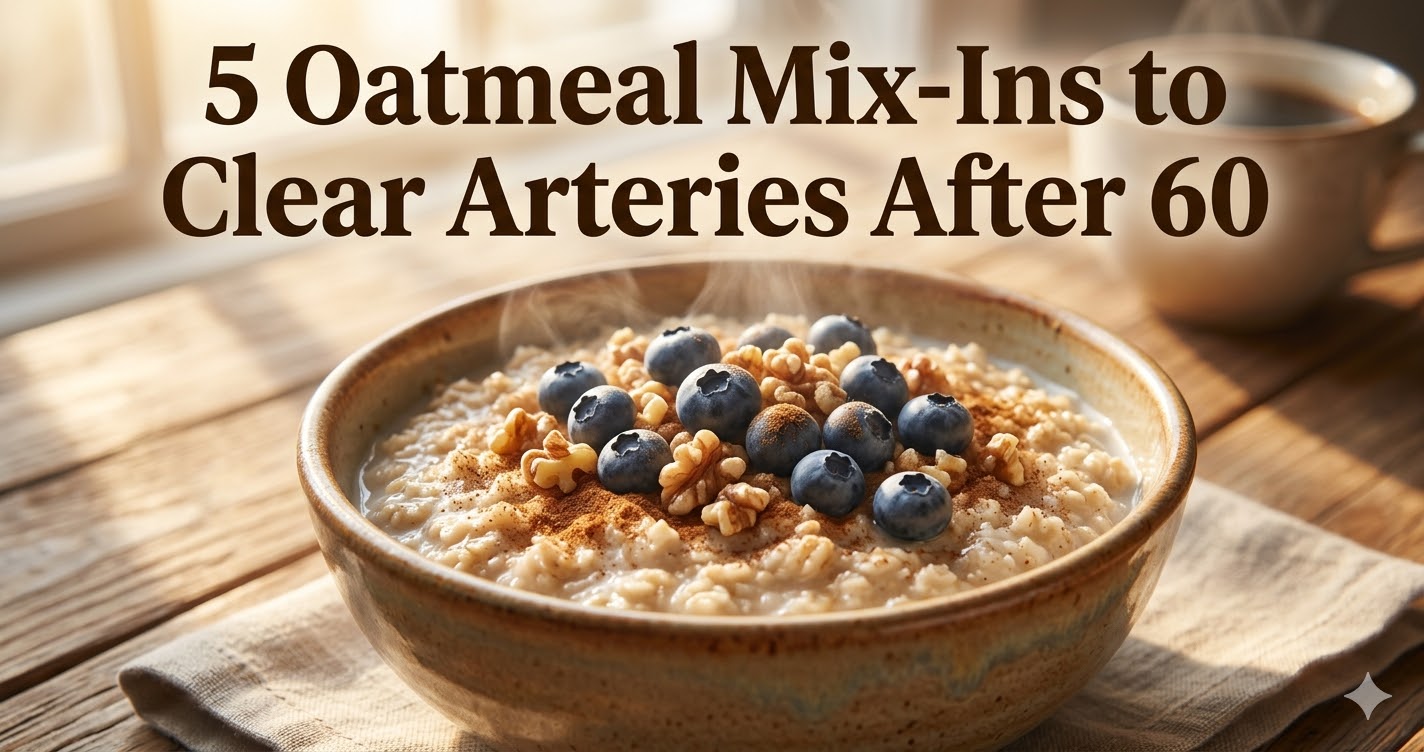
A warm bowl of oatmeal is universally celebrated as a cornerstone of a healthy morning routine. For decades, we have been told that starting the day with oats is the best way to care for our cardiovascular system. However, as we cross the threshold into our 60s, the biological rules begin to shift. Our arteries, which once effortlessly expanded and contracted to pump nutrient-rich blood, naturally begin to stiffen.
Living in Elk Grove, California, I’ve spent time connecting with many vibrant seniors in my community. During our morning walks, I’ve seen firsthand how small, deliberate changes in daily nutrition can transform someone’s energy levels and overall vitality. Many of my older neighbors were eating plain oatmeal every day but still struggling with cold hands, fatigue, or creeping blood pressure numbers. The truth is, oatmeal on its own is a fantastic foundation, but by itself, it is often not strong enough to combat years of plaque buildup or repair aging blood vessels.
To truly protect your heart, you need to turn your morning breakfast into a targeted therapy session for your circulatory system. By incorporating five specific, natural ingredients, you can actively sweep away cholesterol, soothe inflammation, and restore youthful flexibility to your arteries.
Understanding the Aging Artery
Before diving into the ingredients, it is crucial to understand what happens to our cardiovascular system as we age. Over the years, our blood vessels endure stress from free radicals, elevated blood sugar, and LDL (bad) cholesterol. This ongoing wear and tear damages the endothelium—the delicate inner lining of the arteries.
When the endothelium is compromised, plaque begins to accumulate, turning once-smooth pathways into rigid, narrowed tunnels. This condition, known as atherosclerosis, forces the heart to work harder, elevating blood pressure and restricting oxygen delivery to your brain and extremities. Fortunately, nature provides us with powerful tools to gently reverse this process. Let us explore the five additions that can transform your breakfast into a cardiovascular shield.
1. Ceylon Cinnamon: The Blood Sugar Stabilizer
Most people view cinnamon merely as a comforting autumn flavor, but for seniors, this humble spice is a potent defender against one of the most overlooked causes of arterial stiffness: sugar damage.
When you consume carbohydrates, your blood sugar naturally rises. Aging bodies often become less efficient at managing these spikes. Excess glucose in the bloodstream reacts with proteins in the artery walls, creating sticky compounds in a process called glycation. This makes blood vessels rigid and prone to inflammation.
Cinnamon acts as a gentle, natural regulator. It slows down the breakdown of carbohydrates, ensuring a steady release of glucose rather than a sudden surge. Research indicates that regular consumption of cinnamon can improve insulin sensitivity by up to 24%. When your blood sugar remains stable, your arteries stay smoother and more flexible.
Expert Tip: Always opt for Ceylon cinnamon, often referred to as “true cinnamon.” It is much lower in coumarin—a compound found in standard Cassia cinnamon that can stress the liver if consumed in large quantities. A simple half-teaspoon sprinkled over your cooked oatmeal is enough to provide a daily dose of protective polyphenols.
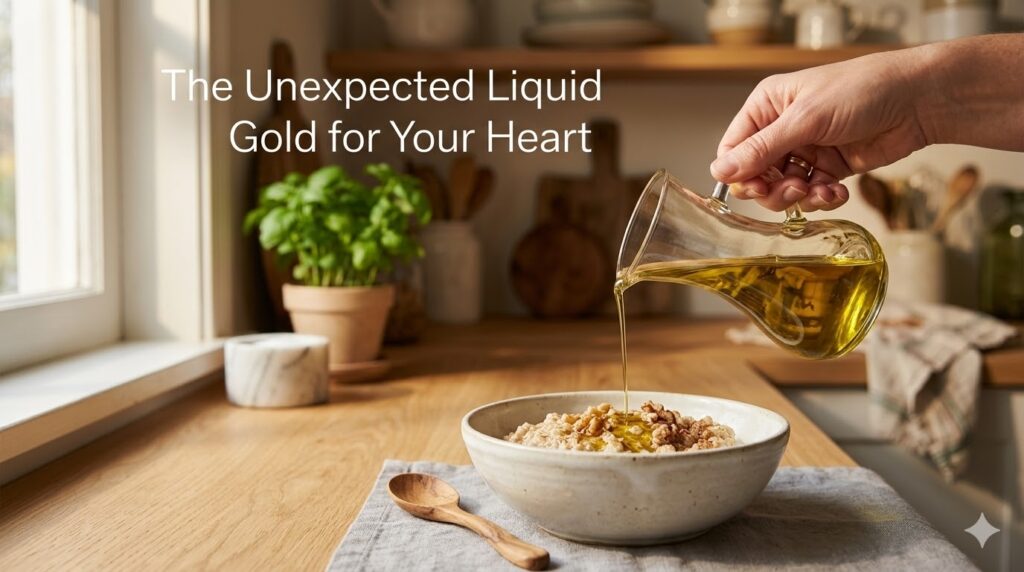
2. Extra Virgin Olive Oil: The Unexpected Liquid Gold
Adding oil to oatmeal might sound highly unusual, but a drizzle of extra virgin olive oil (EVOO) could be the secret weapon your heart desperately needs. Revered as “liquid gold,” high-quality olive oil is packed with unique polyphenols that directly calm inflammation within the circulatory system.
As we age, these anti-inflammatory compounds become vital. They help restore the smooth, elastic texture of blood vessels. Large-scale cardiovascular studies have demonstrated that consuming just one to two tablespoons of extra virgin olive oil daily can lead to significantly lower levels of artery-clogging LDL cholesterol and reduce the overall risk of heart disease by up to 30%.
Furthermore, olive oil creates a synergistic effect in your oatmeal bowl. The healthy fats act as a carrier, allowing your body to absorb the fat-soluble vitamins and antioxidants from the other ingredients far more effectively.
Selection Checklist for Heart-Healthy Olive Oil:
- Ensure the label explicitly says “Extra Virgin” and “Cold-Pressed.”
- Avoid “light” or “blended” oils, as the refining process strips away the beneficial polyphenols.
- Never cook the oil into the oatmeal. Heat destroys its delicate compounds. Instead, lightly drizzle one teaspoon over the bowl right before you take your first bite.
3. Blueberries: The Antioxidant Shield
Blueberries are tiny nutritional powerhouses. Their deep, vibrant purple-blue color is a visual indicator of their most valuable asset: anthocyanins. These powerful antioxidants serve as a protective shield for the inner lining of your blood vessels.
Every day, our arteries face oxidative stress from unstable molecules known as free radicals. Blueberries act like an internal cleanup crew, neutralizing these molecules before they can cause microscopic tears in the arterial walls—tears that eventually trap cholesterol and form plaque.
According to studies published in leading nutritional journals, consuming just half a cup of blueberries daily can lead to major improvements in arterial flexibility. They actively promote the production of nitric oxide, a compound that signals blood vessels to relax and widen. Seniors who make blueberries a daily habit often report feeling warmer hands and feet, a steadier heart rhythm, and sharper mental focus.
Actionable Advice: Both fresh and frozen blueberries are excellent choices. Frozen berries are picked and flash-frozen at their nutritional peak. Avoid canned berries or those packed in heavy syrup, as the added sugars will completely counteract the cardiovascular benefits.
4. Ground Flax Seeds: Nature’s Internal Broom
Though they are small, flax seeds are absolute giants in the realm of heart health. They are one of nature’s most concentrated sources of soluble fiber and plant-based Omega-3 fatty acids (ALA).
Think of flax seeds as a gentle, internal broom. The soluble fiber binds to cholesterol particles within your digestive tract, safely carrying them out of the body before they have a chance to enter your bloodstream and harden into arterial plaque. Clinical trials have shown that consistent daily consumption of flax seeds can drop bad LDL cholesterol levels by up to 10% within a month.
Simultaneously, the ALA Omega-3s work to soothe chronic inflammation inside the blood vessels, allowing blood to flow without restriction.
How to Prepare Them: Whole flax seeds will pass through your digestive system entirely intact, depriving you of their benefits. You must consume them ground. You can purchase pre-ground flaxseed meal or grind whole seeds at home using a standard coffee grinder. Store them in an airtight container in the refrigerator to protect the delicate Omega-3 oils from going rancid. Stir one tablespoon into your warm oatmeal and let it thicken slightly for a rich, nutty texture.
5. Walnuts: The Nitric Oxide Activators
Our final, and perhaps most powerful, ingredient is the walnut. Inside its rugged shell lies a nutrient profile perfectly designed to keep arteries open and youthful.
Walnuts are incredibly rich in a specific amino acid called L-arginine. Once consumed, the body converts L-arginine directly into nitric oxide. As we mentioned earlier, nitric oxide is the essential signaling molecule that tells your arteries to relax and expand. Unfortunately, natural nitric oxide production declines sharply as we enter our 60s, leading to higher blood pressure and poor circulation.
By eating a small handful of walnuts daily, you are providing your body with the exact raw materials it needs to restore elasticity to your vascular system. Walnuts also deliver a potent dose of Vitamin E and magnesium, which prevent cholesterol from oxidizing and sticking to the artery walls.
Case Study in Action: Consider the experience of a 68-year-old reader who recently adopted this routine. After struggling with midday fatigue and creeping blood pressure, they simply started adding four crushed walnut halves and ground flax to their daily oats. Within six weeks, not only did their energy levels stabilize, but their doctor noted a measurable improvement in their lipid panel. It is biology working in your favor.
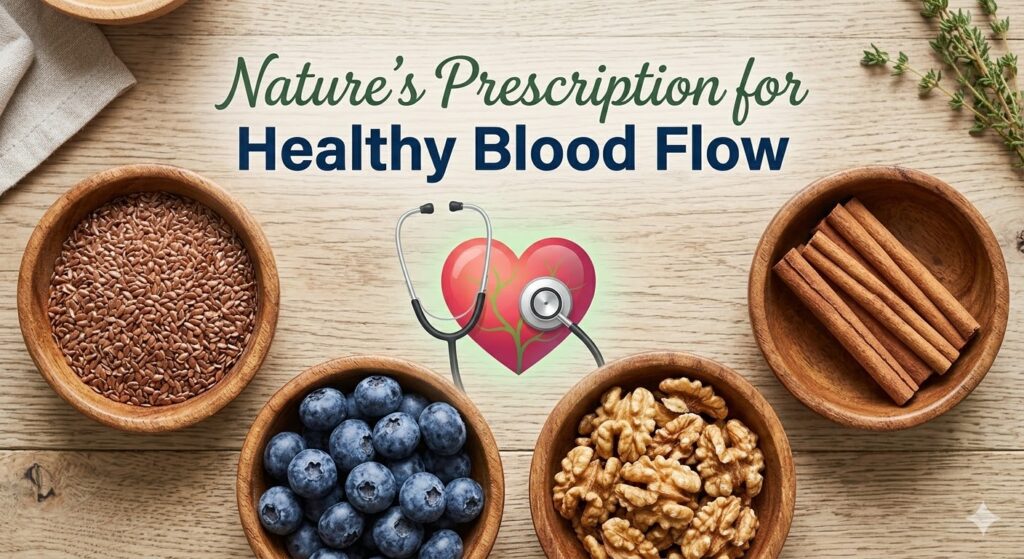
The Ultimate “Synergy Bowl” Routine
You might be wondering if you should rotate these ingredients or eat them all at once. The answer is to combine them. When eaten together, these five ingredients create a phenomenon known as nutrient synergy.
The soluble fiber from the flax seeds slows digestion, allowing your body to fully extract the anthocyanins from the blueberries. The fats in the extra virgin olive oil and walnuts ensure the fat-soluble antioxidants from the cinnamon are completely absorbed into your bloodstream.
Your Daily Action Plan:
- Prepare half a cup of rolled or steel-cut oats using water or unsweetened almond milk.
- While hot, stir in 1 tablespoon of ground flax seeds and 1/2 teaspoon of Ceylon cinnamon.
- Top with 1/2 cup of fresh or thawed frozen blueberries and 4-5 chopped walnut halves.
- Just before serving, drizzle 1 teaspoon of high-quality extra virgin olive oil over the top.
Consistency is far more important than perfection. Even if you only manage this complete routine three to four times a week, you are making a profound investment in your cardiovascular longevity. Your arteries will quietly begin to heal, rebuild, and regain the supple strength of their youth—one morning at a time.
(Disclaimer: The information provided is for educational purposes only. Always consult with your healthcare provider or cardiologist before making significant dietary changes, especially if you are managing conditions like diabetes or high blood pressure, or if you are taking prescription medications.)
💡 자주 묻는 질문 (FAQ)
Q1: Is it safe to mix all five ingredients into one bowl of oatmeal every morning?
A1: Yes, absolutely. In fact, mixing them together is highly recommended due to nutrient synergy. The healthy fats from the walnuts and olive oil actually help your body absorb the antioxidants from the blueberries and cinnamon much more efficiently. It is safe, gentle, and highly effective for daily consumption.
Q2: Can I use instant oatmeal instead of rolled or steel-cut oats?
A2: While instant oatmeal is convenient, it is heavily processed and digests very quickly, which can cause an unwanted spike in blood sugar. For seniors looking to protect their arteries, traditional rolled oats or steel-cut oats are much better choices because they contain intact fiber that digests slowly and supports steady energy.
Q3: What should I do if I am already taking cholesterol or blood pressure medications?
A3: These natural ingredients are generally safe and act as wonderful complements to a healthy lifestyle. However, if you are on strong blood thinners, statins, or blood pressure medications, you should always inform your doctor before adding therapeutic amounts of new foods (like ground flax seeds or large amounts of cinnamon) to your daily routine to ensure there are no unintended interactions.