The landscape of aging is shifting. We often discuss the importance of maintaining cognitive health, managing chronic conditions, and staying financially secure as we age. However, a significant and often overlooked pillar of overall wellness is intimacy. A recent cultural spotlight, including a humorous yet illuminating segment on Jimmy Kimmel Live, highlighted a startling new statistic: seniors are having more sex now than in previous decades. This shift challenge outdated stereotypes and underscores a vital component of holistic well-being for older adults.
The premise of the conversation was simple: “According to the National Sex Study, senior citizens are having a lot more sex.” While the announcement was met with characteristic late-night humor—Kimmel joking about the awkwardness of visualizing one’s own grandparents—it opened the door to a serious conversation about what a fulfilling sex life looks like in advanced age, and why it matters for our health.
Challenging the Myths of Sexless Aging
Societal narratives frequently portray aging and a vibrant sex life as mutually exclusive concepts. We are often told that desire fades, capability diminishes, and that intimacy in late life is either non-existent or comical. The reality, however, is far more dynamic and inspiring.
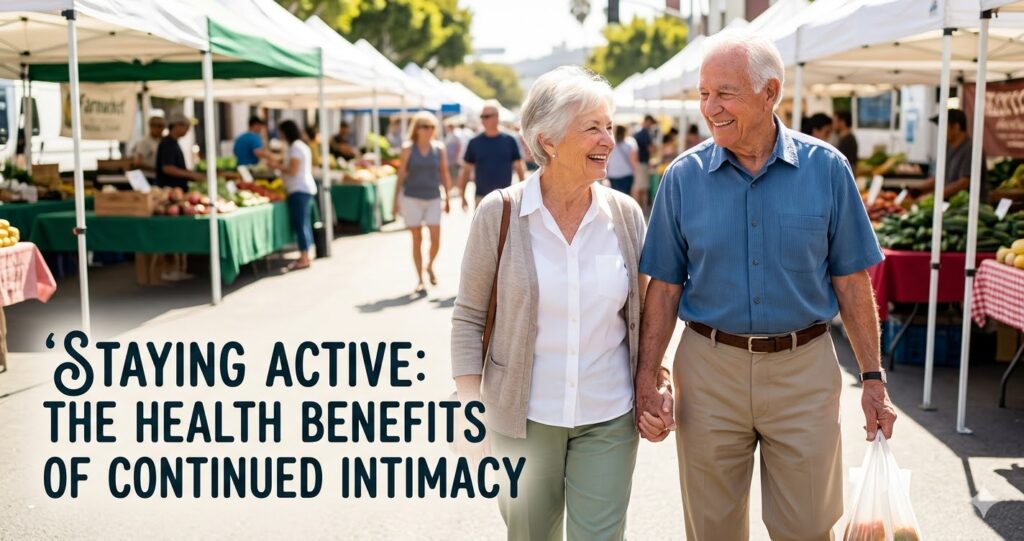
In the Kimmel segment, when seniors at the L.A. Farmers Market were asked for their “secrets to success” regarding intimacy, the responses ranged from initial denial (“Not me, good luck to them”) to inspiring candidness. Consider the story of the woman who shared, “I am going to be 80 this year. I have a boyfriend who just turned 83. And I have to say our sex life is great.”
This simple testimony serves as a powerful case study. It debunks the myth that 80 means an endpoint for physical connection. Her willingness to celebrate her relationship, despite refusing to share her “big moves,” highlights a genuine sense of confidence and romantic satisfaction that is very much alive in advanced age.
The Holistic Health Benefits of Senior Intimacy
Intimacy, in all its forms, is not merely about physical pleasure; it is inextricably linked to mental, emotional, and even physical health. For older adults, prioritizing this aspect of wellness can provide a profound boost to their quality of life.
Enhanced Mental and Emotional Well-being
Active intimacy can act as a powerful antidote to stress, anxiety, and the depression that sometimes accompanies the challenges of aging. Physical connection, holding hands, affection, and intercourse all trigger the release of endorphins and oxytocin—the “cuddle hormone”—which promote relaxation, bonding, and a sense of security.
Furthermore, a healthy sex life often correlates with improved body image and self-esteem. Aging brings significant physical changes. Maintaining a positive sexual relationship with a partner, or embracing one’s own sexuality later in life, can help counteract negative self-perceptions, affirming that a person is still vibrant and capable of experiencing pleasure and giving affection.
Improved Physical Health and Vitality
While senior intimacy is often less strenuous than in youth, it still contributes to physical vitality.
- ** mild Cardiovascular Exercise:** Any activity that increases heart rate, however slightly, contributes to cardiovascular health.
- Pain Management: The endorphins released during physical affection can act as natural pain relievers, helpful for those managing chronic conditions like arthritis.
- Immune System Boost: Some studies suggest that regular sexual activity, in the context of a healthy lifestyle, can support immune function.
- Pelvic Floor Health: For both men and women, regular activity in this area helps maintain muscle tone and function.
Unpacking the “Secrets to Success” From the Farmers Market
The interviews highlighted in the Kimmel script, despite their comedic setting, offered practical, wisdom-infused advice. Translating these humorous anecdotes into a professional wellness framework provides actionable steps for seniors interested in maintaining or revitalizing their own intimate lives.
Advice 1: The Principle of “Use It or Lose It”
One gentleman offered perhaps the most direct advice: “You have to, you have to use it and if you don’t use it, you are going to lose it.” He confirmed he was indeed “using it” with his wife, adding, “God bless you.”
This colloquial phrase, often applied to muscle strength or cognitive function, is surprisingly accurate when discussing intimacy and aging. The “use it or lose it” concept underlines the importance of maintaining physical and emotional engagement. Regular activity—whether through physical exercise that supports stamina or the intentional practice of connecting with a partner—keeps the biological and psychological channels of intimacy open.
Advice 2: Technique, Adaptation, and Redefining Performance
The segment included a humorous yet telling exchange about technique and adaptation: “When I was on the bottom, I was a Superman. When I was on top… a Minute Man. On top I was… with me on top I was Minuteman… no when I was on bottom I was Superman. On top Minute Man.”
This performance anxiety and the candid acknowledgment of changing capabilities reflect a very real challenge for older adults. The lesson here is that as our bodies change, our intimate techniques must adapt as well. Stamina, strength, or function may change, but this does not invalidate desire or capability.
Seniors may need to adapt positions that provide more comfort and support (e.g., using cushions or changing who leads the activity). The conversation must shift from outdated metrics of performance (time, rigid roles) to a focus on pleasure and connection. Adaptation is not a sign of failure; it is a vital strategy for success.
Advice 3: The Primacy of Connection, Romance, and Affection
The interviewees highlighted a fundamental truth: a great sex life is often more about connection than the mechanics. When asked for turn-ons, seniors mentioned:
- “A smile.”
- “I like affection. Kissing on the neck. Holding hands.”
- “I like a gentle, caring, loving… even if they don’t love me they should be loving.”
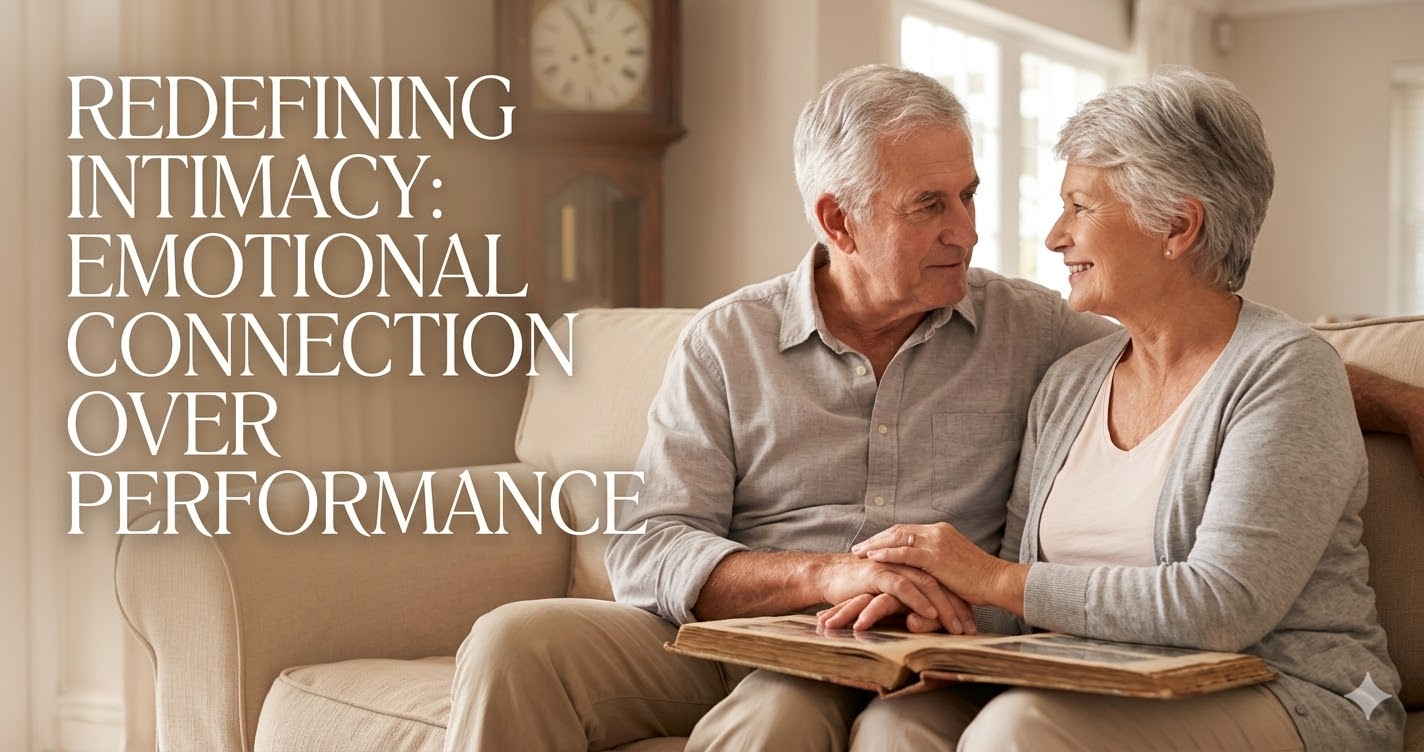
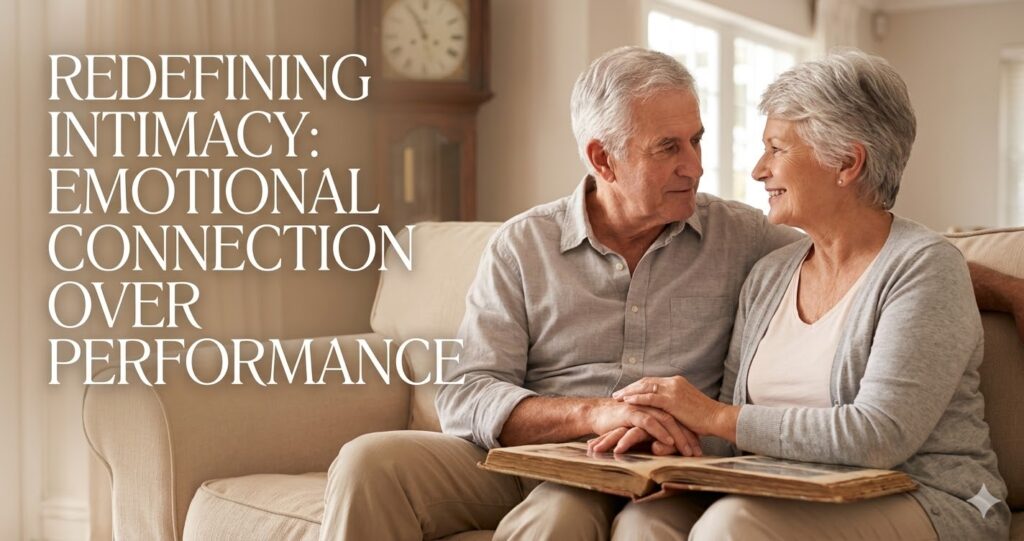
This underscores a vital aspect of late-life intimacy: the shift toward emotional connection. One gentleman noted that “romance,” not just a “one-way ticket to Pound Town,” was preferable. Gentleness, holding hands, and affection (like kissing on the neck) are essential components of intimacy that seniors value.
Wellness professionals encourage seniors to broaden their definition of “it.” Intimacy is a spectrum that includes deep conversation, cuddling, shared vulnerability, and non-penetrative touching, all of which are profoundly health-affirming.
Navigating the Physical and Emotional Challenges
While the trend is positive, maintaining intimacy after 60, 70, or 80 is not without its hurdles. It requires proactive wellness management.
Medicalization and Dysfunction
Aging bodies face real constraints. For men, erectile dysfunction (ED) becomes more prevalent. For women, vaginal dryness or discomfort related to hormonal shifts is common. Chronic conditions like heart disease, diabetes, or the pain of arthritis can also impede physical connection.
The key advice from a health and wellness perspective is to de-stigmatize these issues. They are medical issues, not moral failings or definitive ends to intimacy. Seniors are encouraged to speak openly and without embarrassment with urologists, gynecologists, or sex therapists who specialize in older adults. These professionals can offer safe and effective treatments (e.g., medications, local therapies, lifestyle adjustments) that can revitalize physical health and function.
Communication and Scheduling
Often, the biggest barrier to intimacy is a breakdown in communication or simply “losing the habit.” Seniors must overcome the cultural taboo of discussing intimacy openly with their partners. Sharing desires, discussing limitations, and being vulnerable about changing needs are essential.
Sometimes, the most “unromantic” advice is the most practical: schedule intimacy. If fatigue or pain is a concern, planning affection for times when energy is high (perhaps morning rather than evening) can make a significant difference.
A Checklist for Cultivating Continued Intimacy
Use this simple, professional checklist to help guide your journey toward maintaining vitality and connection.
- Broaden Your Focus: Remember intimacy is not just intercourse. Focus on affection, touch, and closeness.
- Maintain Physical Health: Core strength, balance, and pelvic floor exercises (like Kegels for both men and women) can directly support physical comfort.
- Prioritize Communication: Talk openly with your partner about desires, fears, and changing capabilities. Adapt, don’t ignore.
- Consult a Medical Professional: If physical issues are present, seek specialized care. These are health issues with solutions.
- Schedule “Connection Time”: Date nights, intentional conversation, or quiet time together are the foundation of deep intimacy.
Conclusion: Embracing the New Paradigm of Vital Aging
The humorous responses from the seniors at the L.A. Farmers Market, as shown on Jimmy Kimmel Live, are more than just jokes; they are reflections of a new reality. Aging does not mean becoming asexual. It simply means our intimacy evolves. We shift the focus from performance to pleasure, from time to quality, and from intercourse to holistic connection.
The rise in senior intimacy is a positive indicator that older adults are prioritizing their own vitality. By rejecting outdated stereotypes and embracing a healthier, adapted understanding of physical and emotional connection, we embrace a fuller, more health-affirming paradigm for our golden years. Wellness, as we now understand, includes the fundamental need for affection and connection at any age.