Hydration First: Starting Your Active Morning Right.
Living in California, I’ve had the privilege of walking along the Pacific coast and observing a vibrant community of seniors who are completely redefining what it means to age. I frequently see individuals well into their 70s and 80s conquering hiking trails, mastering stand-up paddleboarding, and bringing incredible energy to local dance classes. Their secret isn’t a magic pill or a hidden fountain of youth; it is a consistent, joyful commitment to daily movement.
There are many health benefits that come from staying active as you age, and right now is a great time to get out and get moving. Whether you are looking to keep up with your energetic grandchildren, maintain your independence, or simply feel more vibrant every single day, adopting an active lifestyle is the most powerful choice you can make. You are never too old to get active. Let us explore some fantastic exercise tips, practical strategies, and enjoyable activities designed specifically for older adults who are ready to embrace a dynamic lifestyle.
The Crucial First Step: Mastering Hydration
Before you even think about lacing up your sneakers or stepping onto a yoga mat, there is one fundamental step you must take: before getting started, remember to grab a bottle of water.
While hydration is important at any age, it becomes critically vital as we grow older. Older individuals may not feel thirst as acutely as younger people do. This diminished thirst response means that by the time you actually feel like you need a drink, your body might already be experiencing mild dehydration. Therefore, it is important to make sure you stay hydrated to avoid muscle fatigue and aches.
The Science of Water and Aging Joints
Water acts as the primary lubricant for your joints and is essential for maintaining the elasticity of your muscles. When you are adequately hydrated, your heart does not have to work as hard to pump blood through your blood vessels to your muscles.
Expert Tip for Daily Hydration:
- Set a Schedule: Do not wait until you are thirsty. Sip water consistently throughout the day.
- Visual Reminders: Keep a reusable water bottle on your kitchen counter or living room table.
- Flavor It Up: If plain water feels unappealing, infuse it with slices of lemon, cucumber, or a sprig of mint to make it more refreshing.
Prepare Your Body: The Power of Stretching and Flexibility
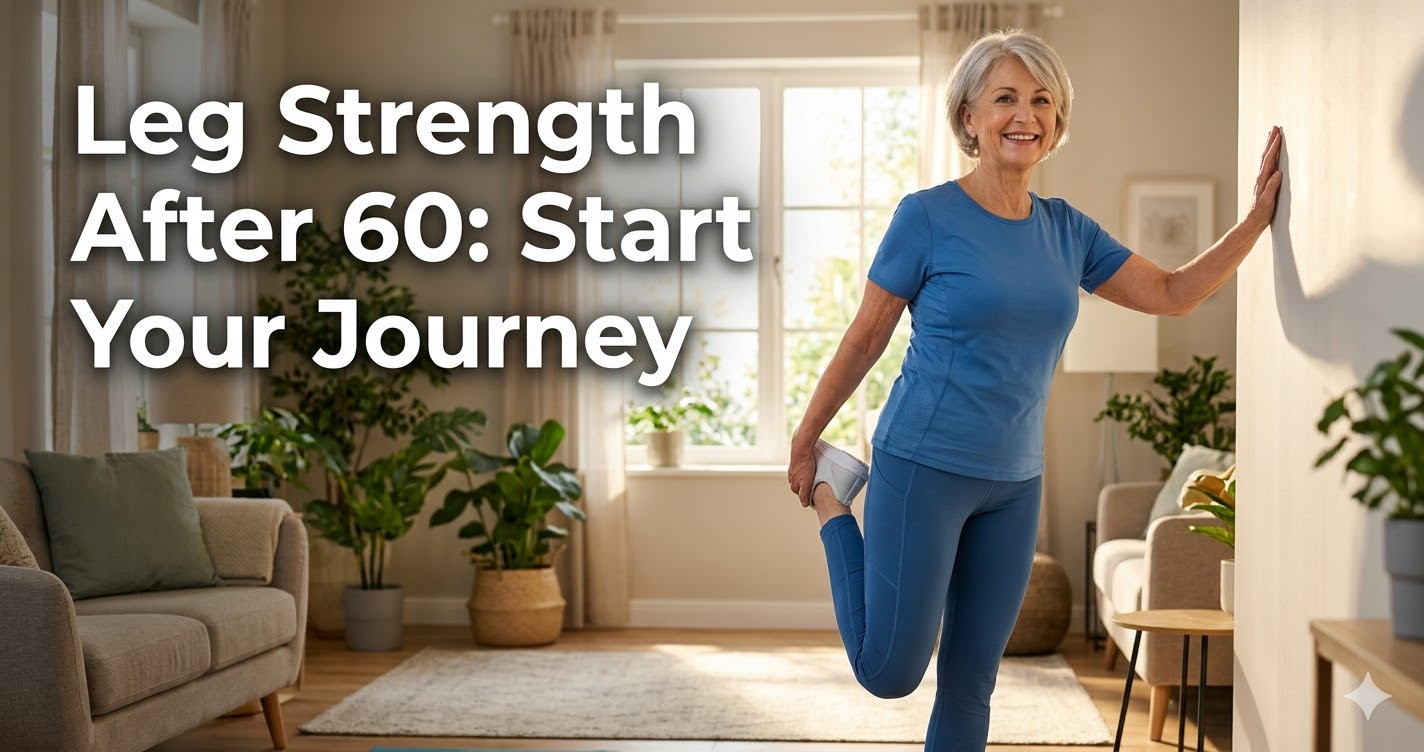
Jumping straight into a workout without preparing your body is a recipe for discomfort. Stretching is a great way to prepare for any physical activity. As we age, our tendons and ligaments naturally lose some of their elasticity, which can lead to stiffness and a reduced range of motion.
When your body is properly stretched, you reduce the chance of muscle strain and aches. Think of stretching as waking up your muscles and gently telling them it is time to work.
Gentle Options: Chair Exercises and Mind-Body Practices
You do not need to be a gymnast to reap the benefits of flexibility training. In fact, there are even stretches you can do right from your chair. Chair stretching is phenomenal for individuals with limited mobility or balance concerns, allowing you to loosen your neck, shoulders, and lower back safely.
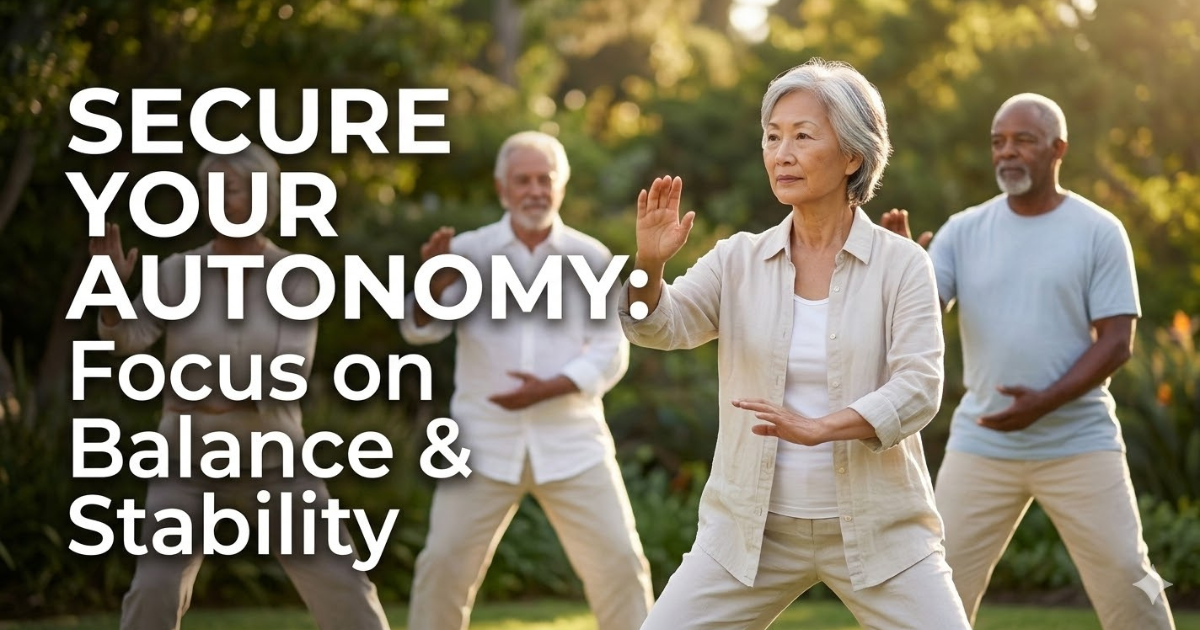
Alternatively, you can try taking an exercise class that incorporates stretching, like yoga or tai chi.
- Yoga: Focuses on deep breathing and holding postures that improve both core strength and flexibility.
- Tai Chi: Often described as “meditation in motion,” this ancient practice involves a series of slow, flowing movements that are incredibly effective for improving balance and spatial awareness.
To get started with these practices, be sure to check your gym or local senior fitness center for class availability.
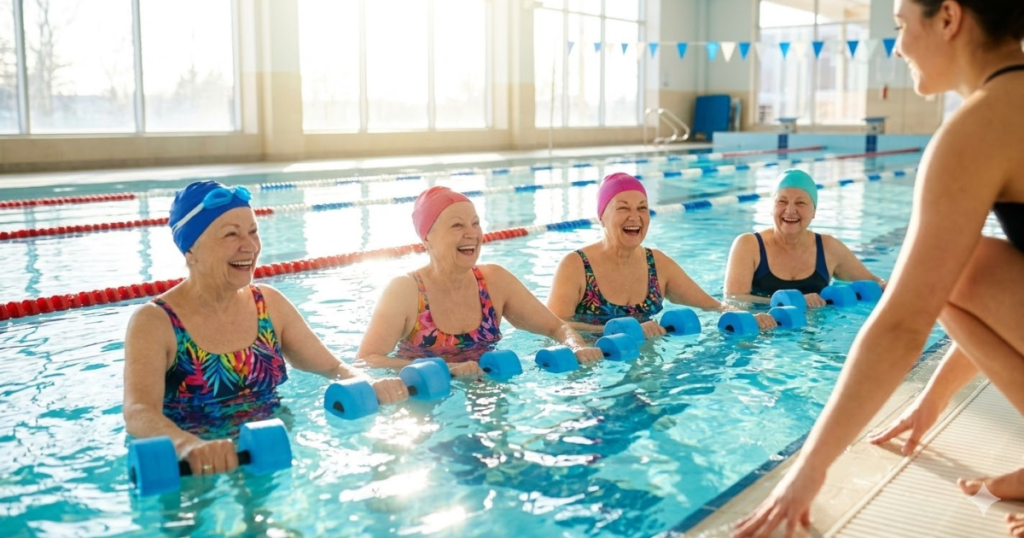
Fun in the Water: Joint-Friendly Pool Exercises for Seniors.
Step into Health: Why Walking is the Ultimate Senior Exercise
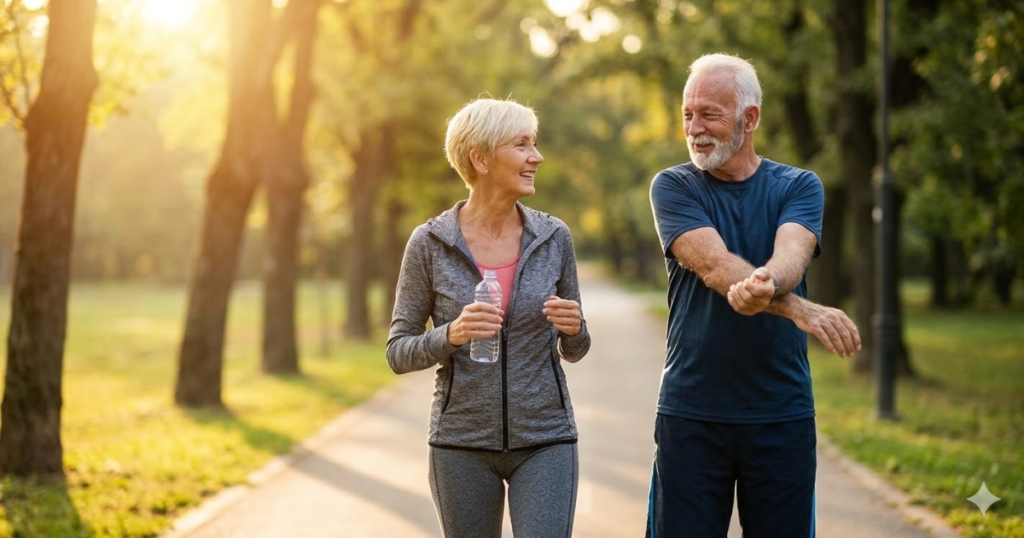
Once you have finished your stretching routine, consider taking a walk. It sounds simple, but walking is arguably the most accessible and effective form of exercise available to us. Walking is a wonderful way to get your daily dose of fitness.
The beauty of a walking routine lies in its simplicity and profound physiological benefits. Not only does walking improve your leg strength and your balance, but it also improves the circulation to your heart.
Case Study: The Transformative Power of a Daily Stroll
Consider the story of a typical active senior—let’s call him Robert, age 74. Robert felt sluggish and noticed his balance was not what it used to be. He committed to a simple routine: a 20-minute walk every morning around his neighborhood. Within three months, not only had his cardiovascular endurance improved, but his resting heart rate dropped, his mood elevated, and the mild swelling in his lower legs subsided. Walking acts as a natural pump, pushing blood from the lower extremities back up to the heart.
Walking Best Practices:
- Invest in Good Footwear: Wear supportive, well-cushioned walking shoes to protect your joints from impact.
- Pace Yourself: Start with 10 to 15 minutes a day and gradually increase your time and distance.
- Posture Matters: Keep your head up, shoulders relaxed, and swing your arms naturally.
Rediscover the Fun: Social Sports and Dancing
Exercise should never feel like a chore. If you are craving more fun while you exercise, try dancing or incorporating a new sport into your list of activities. The key is to just keep active, and finding an activity that brings a smile to your face is the best way to ensure consistency.
Dancing is particularly brilliant because it challenges the brain just as much as the body. Remembering steps and coordinating movements to rhythm enhances cognitive function and memory.
Building Connections Through Play
Some fun sports to consider are bowling and golf. Both of these activities require focus, hand-eye coordination, and a fair amount of walking and core engagement. Furthermore, the social aspect of these games is invaluable for mental health. Isolation is a significant challenge for many older adults, and joining a local league provides a built-in community.
Make plans to play with your friends, or better yet, bring your grandchildren along and teach them your newest skill. Intergenerational play is incredibly rewarding and keeps you feeling youthful, engaged, and purposefully connected to your family.
Soothe Your Joints: The Magic of Pool Exercises
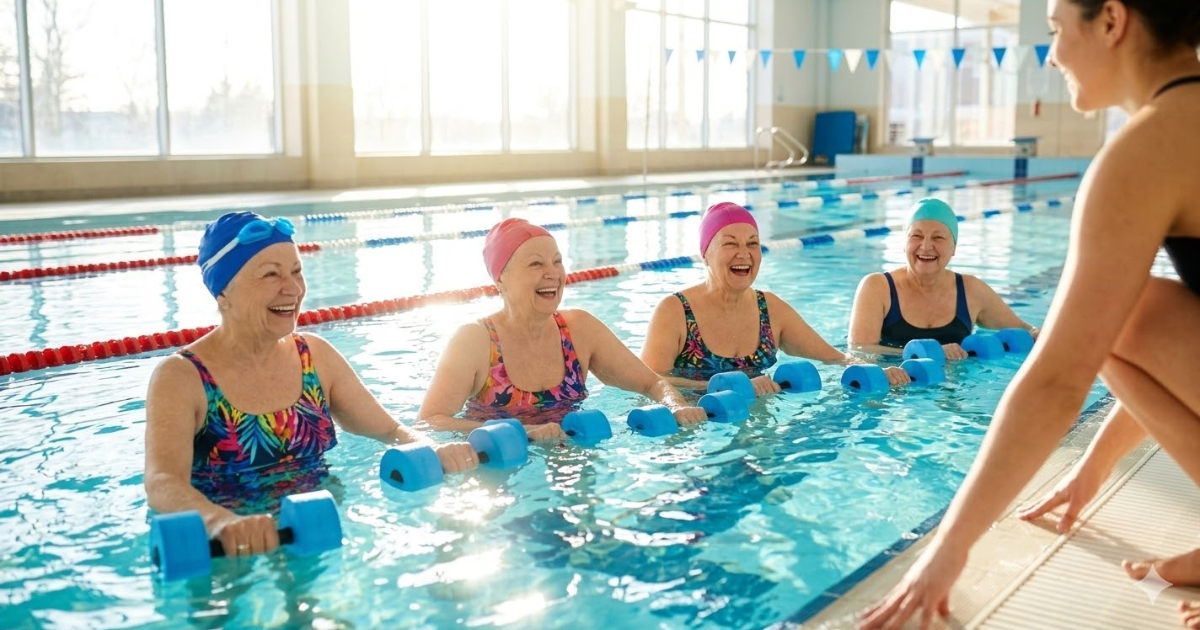
For those who experience joint pain, traditional land-based exercises can sometimes feel daunting. This is where aquatic fitness shines. Pool exercises can help you get stronger without putting additional pressure on your joints.
The buoyancy of water supports a significant portion of your body weight, drastically reducing the impact on your knees, hips, and spine. At the same time, water provides natural, omnidirectional resistance, meaning your muscles have to work harder to move through the water, resulting in excellent strength gains.
If you have access to a pool, try swimming, taking a water aerobics class, or even water walking.
- Water Walking: Simply walking back and forth across the shallow end of the pool engages your core and lower body with zero impact.
- Therapeutic Warmth: Seniors with arthritis can particularly benefit from a pool, since heated water can soothe joint pain and relax tight muscles. The warmth increases blood flow to problem areas, promoting faster recovery and incredible relief from chronic stiffness.
Smart Planning: Leveraging Your Health Benefits
Embarking on a new fitness journey does not have to be a financial burden. Many older adults are unaware of the incredible perks hidden within their insurance policies. Your health plan may offer wellness benefits to cover all or part of your membership to a gym or senior fitness center.
Programs like SilverSneakers or Renew Active are often included in Medicare Advantage plans and provide free or heavily discounted access to thousands of fitness locations nationwide. These programs also frequently offer specialized classes tailored explicitly for senior mobility and strength. Be sure to check with your health care provider about your specific benefits so you do not miss out on these valuable resources.
Your Actionable “Get Active” Checklist
Ready to transform your lifestyle? Use this simple checklist to get started safely and effectively:
- Consult the Experts: Please talk with your health care provider if you are interested in starting a new exercise routine. They can help you understand your physical baselines and learn the steps that you can take to live a healthier lifestyle.
- Hydrate: Drink a glass of water before you begin any movement.
- Warm-Up: Spend 5-10 minutes doing gentle stretching, perhaps starting from a chair.
- Choose Your Joy: Decide whether today is a day for a neighborhood walk, a round of golf, or a water aerobics class.
- Be Social: Invite a friend or family member to join you.
- Check Your Perks: Call your insurance provider today to ask about gym membership coverage.
The journey to a more active, vibrant life begins with a single step—or a single stretch. Embrace the process, listen to your body, and celebrate every victory, no matter how small.
🌿 Weekly wellness, health & beauty insights — straight to your inbox
Free subscription · Cancel anytime