Rethinking Retirement: How Daily Movement in the Sunshine State Transforms Your Golden Years
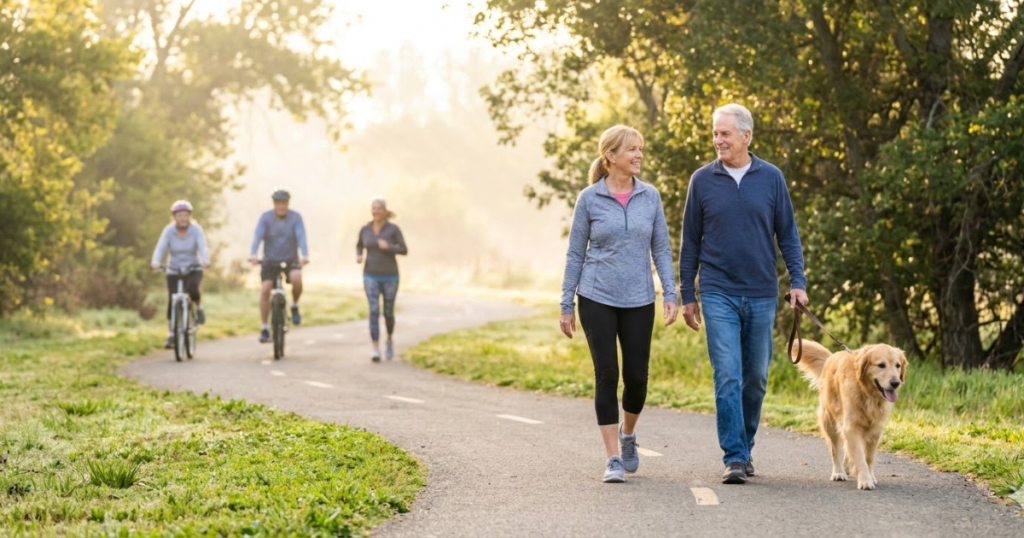
Living here in Elk Grove, California, I am constantly inspired by the people I see out on the Laguna Creek Trail every single morning. Before the sun even fully breaks through the valley fog, there is a vibrant community of retirees walking their dogs, cycling, and chatting away. It is a beautiful reminder of something absolutely fundamental to a good life, yet something so many of us struggle to maintain as the years go by. It isn’t a magic pill, an expensive supplement, or a secret diet. It is something much simpler, far more accessible, and honestly, a lot more fun.
We are talking about movement.
When you hear the word “exercise,” your mind might immediately jump to grueling hours at a crowded gym, lifting heavy weights, or forcing yourself to run marathons. If that is your passion, that is fantastic. But for a vast majority of us in our golden years, that visual just feels overwhelming and, frankly, unappealing. The incredible news is that staying active does not mean you have to become a professional athlete overnight. It is about seamlessly integrating movement into your daily life in a way that brings you joy, vitality, and independence.
The Evolution of Movement: From Survival to Sedentary
Let’s get one fundamental truth straight: our bodies were meticulously designed to move. For thousands of years, our ancestors were constantly on the go. They walked miles every day, they climbed, they lifted, and they foraged. Back then, it wasn’t called “working out” or “hitting your macros.” It was just life.
Fast forward to today’s modern convenience-driven society, and the contrast is stark. Many of us spend our days in a prolonged state of sitting. We sit in cars to commute, we sit at desks, we sit in waiting rooms, and we sit on the couch to relax in the evenings. This highly sedentary lifestyle is a relatively new experiment for the human body, and the scientific consensus is overwhelmingly clear: it is not doing our long-term health any favors, especially as we age.
When we stop moving, our bodies begin to adapt to that lack of demand. Muscles atrophy, joints stiffen, and cardiovascular efficiency drops. But the moment we reintroduce regular, joyful movement, the body responds with incredible resilience, no matter your age.
The Longevity Connection: Adding Life to Your Years
Why is staying active so incredibly important for seniors? Let’s break down the science of longevity.
Numerous clinical studies have demonstrated a direct, undeniable link between regular physical activity and a longer lifespan. But it is not just about merely adding years to your life; more importantly, it is about adding vibrant life to your years. Active older adults tend to experience significantly fewer chronic illnesses and maintain far better physical and cognitive function as they age.
Think of daily movement as the most reliable investment you can make in your future self. You are investing in a future self who can still climb a flight of stairs with ease, get down on the floor to play with grandchildren, and confidently travel the world without physical limitations.
Strengthening the Heart and Lungs
Physical activity is an absolute powerhouse for your internal health. It strengthens your heart muscle, making it vastly more efficient at pumping blood throughout your body. This dramatically reduces your risk of heart disease, which remains a leading cause of health complications worldwide. Regular movement helps manage your weight, not just by burning calories, but by building and preserving lean muscle mass, which naturally boosts a slowing metabolism.
Bone Density and Immune Defense
As we age, bone density naturally decreases, raising the risk of osteoporosis and fractures. Weight-bearing movements—even simple brisk walking—strengthen your bones and joints. Furthermore, regular moderate activity improves your immune system, making you far less susceptible to seasonal colds, the flu, and longer recovery times. The cascade of benefits is endless: it helps regulate blood sugar, lowers resting blood pressure, and significantly improves the quality of your sleep.
The Mind-Body Connection: Mental Wealth in Your 60s and Beyond
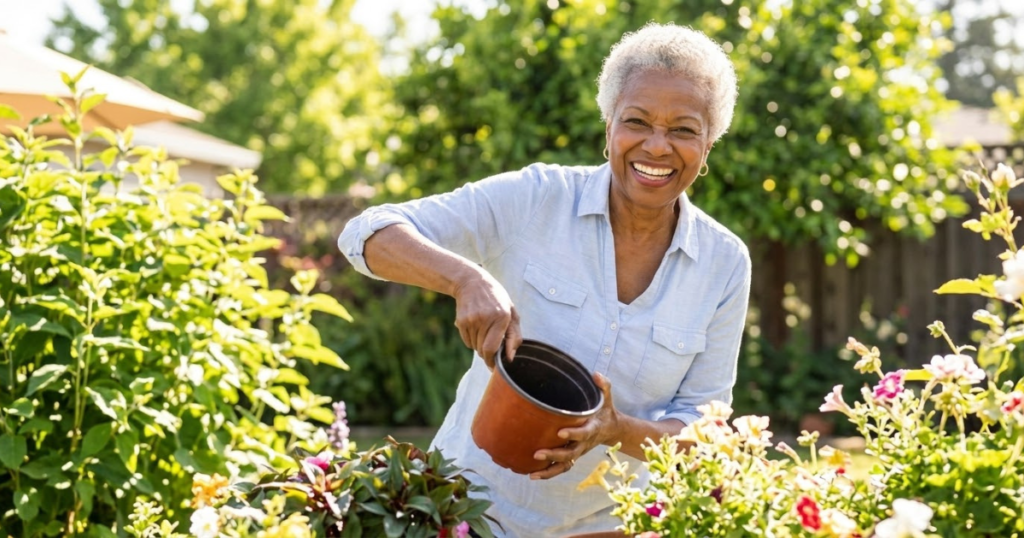
Growing Stronger: How Joyful Gardening Revitalizes Senior Independence and Vitality
While the physical transformations are remarkable, the impact of movement on our mental and emotional well-being is truly profound. Have you ever gone for a walk when you were feeling stressed, overwhelmed, or frustrated, and returned feeling clearer and much calmer? That is not a coincidence; it is biology.
The Power of Endorphins
When you engage in physical activity, your brain releases endorphins—powerful neurochemicals often referred to as “feel-good” hormones. They act as natural mood elevators and internal pain relievers. This biochemical reaction is exactly why consistent exercise is universally recognized by medical professionals as one of the most effective tools for managing stress, anxiety, and even symptoms of depression. It is a completely natural, side-effect-free remedy that is available to you anytime you need it.
Protecting Cognitive Sharpness
Movement literally boosts your brainpower. It increases nutrient-rich blood flow to the brain, delivering the oxygen required to function at its absolute best. Research has consistently shown that regular physical activity improves memory retention, focus, and creative problem-solving. Most importantly for seniors, it creates neuroplasticity that helps protect the brain against age-related cognitive decline and dementia. A simple midday walk isn’t just a break; it is a vital strategy for keeping your mind sharp and engaged.
Demystifying the “Exercise” Myth: Finding Your Joy
We have established the why. Now, let’s focus on the how.
This is where your journey gets deeply personal, because the absolute best type of activity is the one you will actually consistently do. The secret to long-term success is finding something you genuinely enjoy. If you hate jogging, do not force yourself onto a treadmill. Let’s brainstorm some creative ways to move.
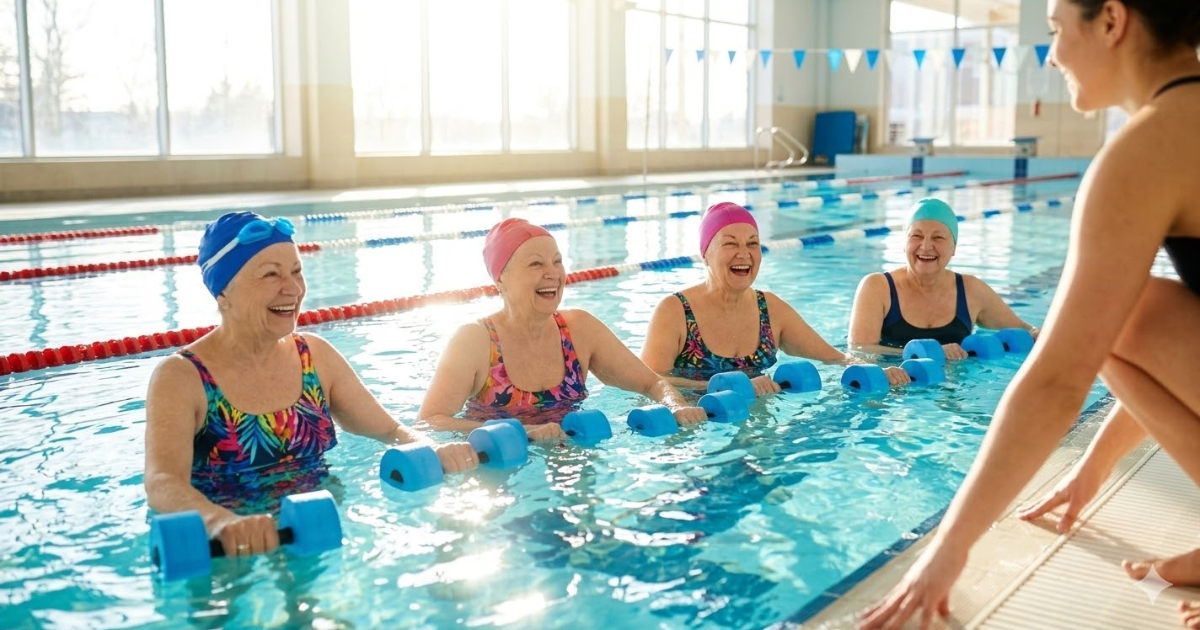
Think back to what you loved doing when you were younger. Did you love riding a bicycle? Look into a comfortable cruiser or an e-bike to explore your local trails. Did you enjoy dancing? Put on your favorite records in the living room, or join a local community center dance class. From water aerobics to gardening, tai chi, or bird watching, it all counts.
The 150-Minute Sweet Spot
The universally recommended baseline for adults is 150 minutes of moderate-intensity activity per week. While that number might sound daunting at first, it breaks down beautifully: just 30 minutes a day, five days a week.
And you do not even have to do those 30 minutes all at once! Three 10-minute walks spread throughout your day—one after breakfast, one after lunch, and an evening stroll—are just as cardiovascularly effective as one continuous 30-minute session. “Moderate intensity” simply means you can still hold a conversation with a friend, but your breathing is a little heavier, and your heart rate is slightly elevated. A brisk neighborhood walk is the perfect example.
Practical Ways to Sneak Movement into Your Day
You don’t need a gym membership to build an active lifestyle. You simply need to shift your daily habits. Here are a few ways to organically weave movement into your routine:
- Rethink the Parking Lot: Instead of hunting for the closest spot at the grocery store, purposefully park at the far end of the lot and enjoy the extra walk.
- Take the Stairs: Whenever it is safe and manageable, choose the stairs over the elevator or escalator for a quick leg strengthener.
- Commercial Break Fitness: If you are watching television, use the commercial breaks to stand up, stretch your arms, or do a few gentle chair squats.
- The Walking Catch-up: Instead of sitting in a coffee shop to catch up with a friend, grab your coffees to go and have a “walking meeting” through a local park.
These minor adjustments might seem insignificant in the moment, but compounded over weeks and months, they add up to a massive improvement in your overall fitness.
The Power of Community and Nature
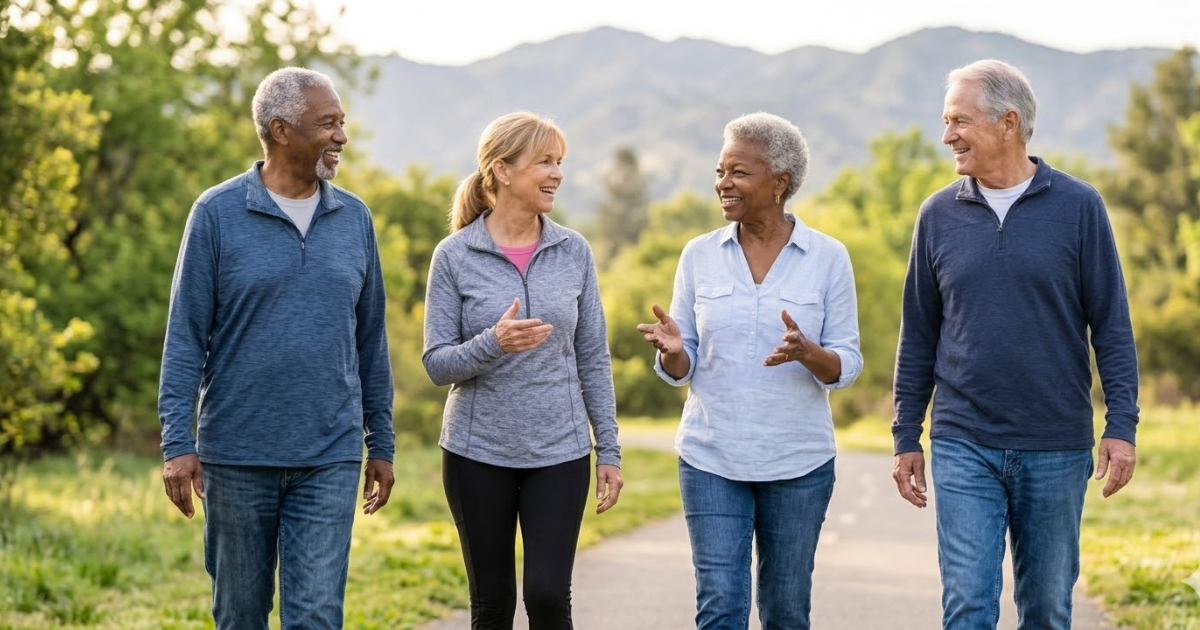
Exploring fitness classes or community groups tailored for seniors is a fantastic option. Whether it is a restorative yoga studio, a SilverSneakers class, or a local walking club, the social aspect is a massive motivator. It combats isolation, introduces you to like-minded peers, and provides vital accountability. Knowing your friends are expecting you can be exactly the push you need on days when your motivation is low.
Never underestimate the healing power of nature, either. Taking your activity outdoors combines the physical benefits of movement with the restorative psychological effects of a natural environment. The fresh air, the natural sunlight (hello, Vitamin D!), and the dynamic scenery create a sensory experience that simply cannot be replicated indoors.
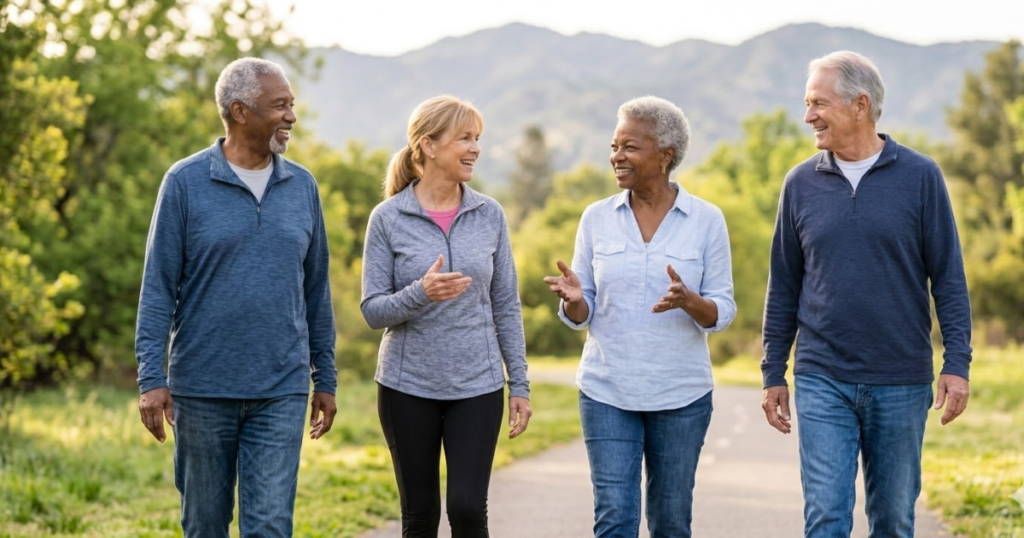
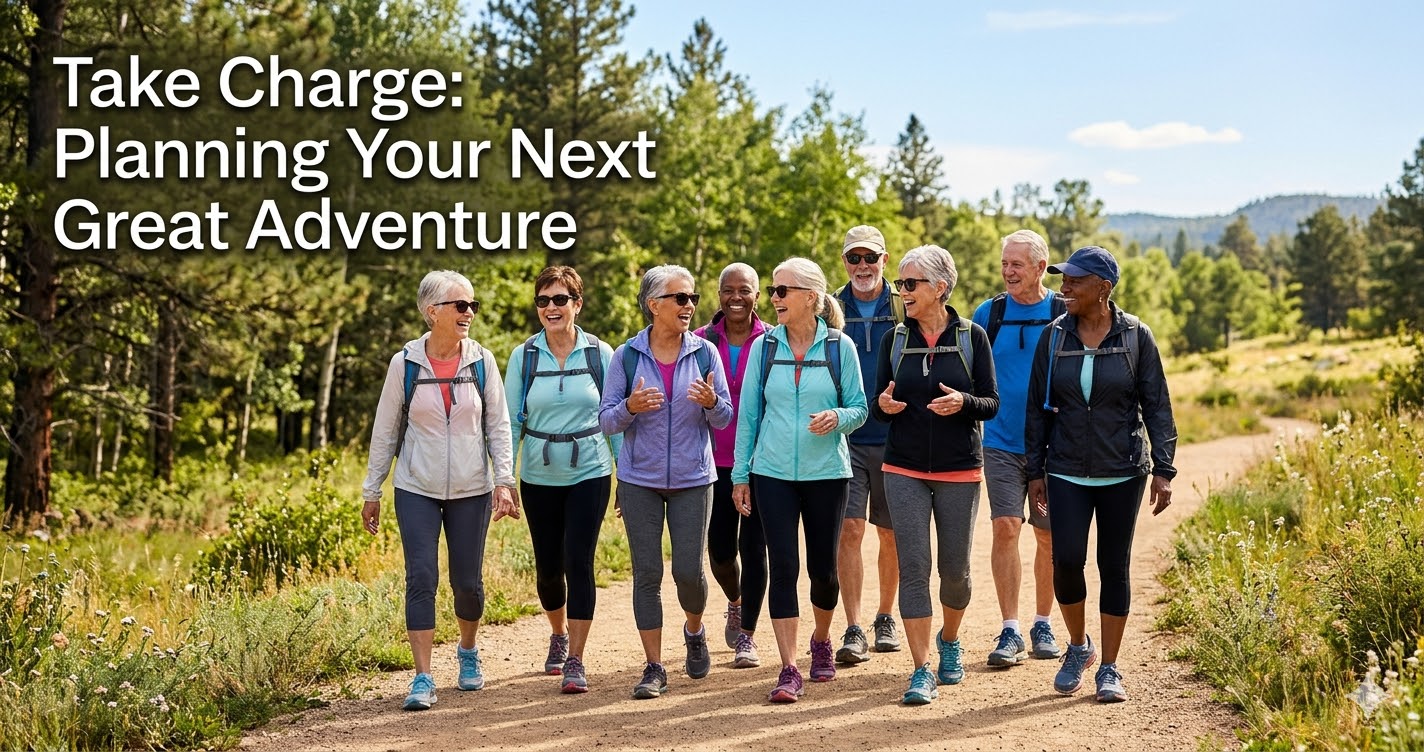
The Community Connection: Finding Joy and Wellness in a Senior Walking Group
Expert Tips for Safe and Sustainable Activity
As you build this new active chapter of your life, safety and longevity are the ultimate priorities.
- Listen to Your Body: If you are just starting out, ease into it gradually. Trying to go from zero to one hundred overnight is a fast track to injury and burnout. Start small, establish consistency, and only increase the duration or intensity as you feel your body getting stronger.
- Know the Difference in Discomfort: Some mild muscle soreness is completely normal when you engage in a new activity. However, sharp, sudden, or joint-specific pain is not. Never push through bad pain.
- Prioritize Balance and Mobility: Incorporate simple balance exercises—like standing on one foot while holding the kitchen counter—to improve stability and prevent falls, which is crucial for senior independence.
- Value Recovery: Rest and recovery are just as important as the activity itself. Your body builds strength during the periods of rest between your activities.
Your Action Plan: Take the First Step Today
Remember, staying active is not a punishment for what you ate, nor is it about achieving a specific physique. It is a celebration of what your amazing body can still do. It is the ultimate form of self-care. It is about giving yourself the profound gifts of energy, vitality, and health.
Think about how you feel right now. Perhaps a little stiff, maybe a bit fatigued. Now, imagine feeling more energized, more focused, and wildly positive. That is what awaits you on the other side of an active lifestyle. It is not a far-off, unattainable dream; it is right there waiting for you, starting with just one single step.
My challenge to you today is simple: find one small way to be more active right now. Maybe it is a 10-minute walk around your block. Maybe it is doing three minutes of gentle stretching while reading this article. Whatever it is, just start. The journey to a healthier, more vibrant retirement is a marathon, not a sprint. Be kind to yourself, stay consistent, and never forget the incredible power of movement. You have this one amazing body for your entire life—taking phenomenal care of it is the best investment you will ever make.
🌿 Weekly wellness, health & beauty insights — straight to your inbox
Free subscription · Cancel anytime