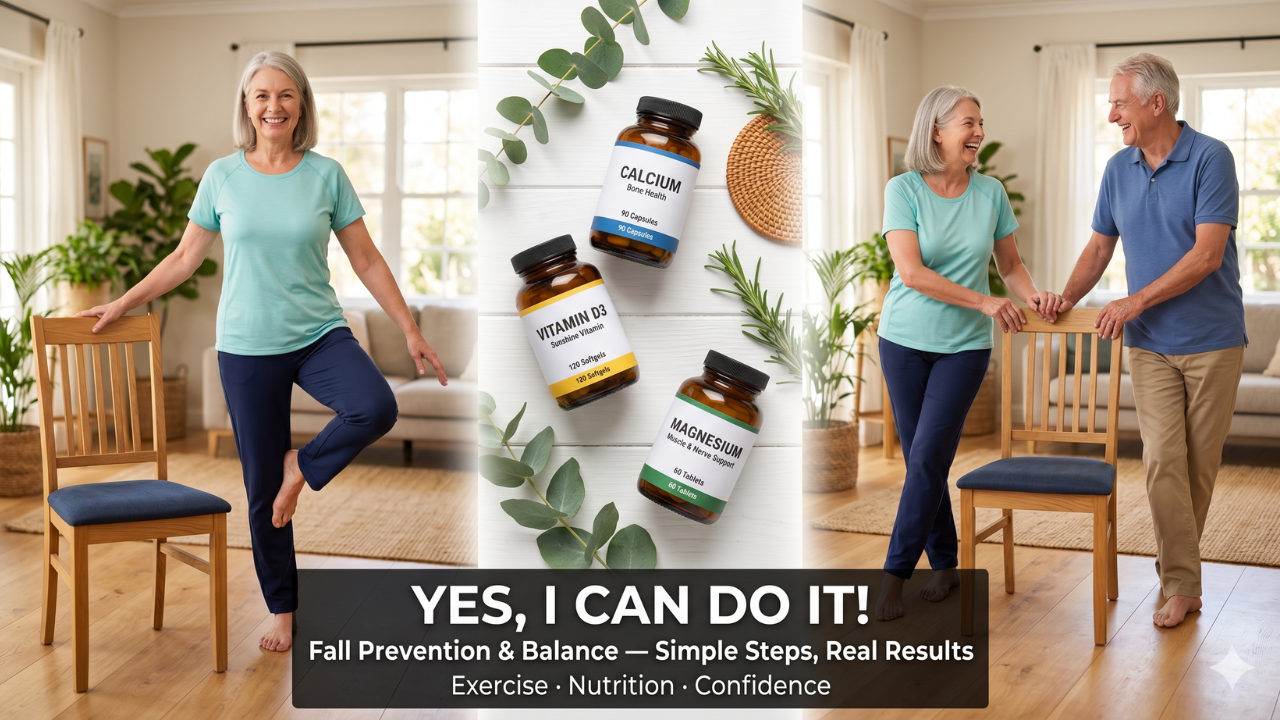
Aging is a profound journey, bringing with it a unique set of physical and emotional changes. While much attention is rightly given to maintaining cardiovascular health, bone density, and mobility in our later years, the mental and emotional well-being of seniors is equally vital. In fact, emotional resilience and cognitive health are the true foundations of an active, fulfilling life. Exercise is universally recognized as beneficial for the body, but its role as an essential pillar for mental health cannot be overstated. For older adults, participating in group exercise classes offers a remarkable synergy: it provides physical movement, vital social interaction, a powerful motivation boost, and a sustained elevation in overall mood.
In this comprehensive guide, we will explore the profound mental health benefits of group fitness for seniors, detail the best types of classes for various mobility levels, and provide practical, actionable ways to participate safely and joyfully. Whether you are taking your first steps toward a more active lifestyle or looking to refresh your current routine, the path to a healthier mind and body is one best walked—or danced, or stretched—together.

Why Movement is Medicine for the Aging Mind
The connection between physical activity and mental health is deeply rooted in human biology. When we engage in structured movement, our bodies undergo a series of chemical changes that naturally combat the emotional hurdles often associated with aging, such as anxiety, depression, and stress.
The Science of Endorphins and Stress Reduction
Group exercise benefits mental health in a multitude of immediate and long-term ways. From the very first few minutes of elevating your heart rate or stretching tight muscles, the body begins to release endorphins. These neurotransmitters are the brain’s natural painkillers and mood elevators. As they flood the system, they calm the mind, actively reducing the physiological markers of stress and anxiety. Cortisol levels—the hormone responsible for the “fight or flight” response—drop significantly. This hormonal shift creates a sense of calm and well-being that often lasts for hours, if not days, after the class has concluded.
Cognitive Benefits: Keeping the Brain Sharp and Focused
Beyond mood enhancement, group exercise acts as a gentle but effective workout for the brain. Learning new routines—whether it is a sequence of yoga poses, the intricate footwork of a dance class, or the flowing forms of Tai Chi—requires focus, memory, and coordination. This process challenges the brain, stimulating neuroplasticity and enhancing overall cognitive function. Furthermore, focusing intently on movement and breath improves mental clarity and promotes mindfulness. Even a few minutes of this mindful movement can serve as a mental reset, effectively reducing background stress and preparing you for the day ahead with a renewed sense of purpose.
The Social Lifeline: Combating Isolation Through Fitness Communities
While the physiological benefits of exercise are undeniable, the magic of group exercise lies in its capacity to build community. According to the Centers for Disease Control and Prevention (CDC), social isolation and loneliness in older adults are linked to a significantly higher risk of various physical and mental conditions, including high blood pressure, heart disease, obesity, a weakened immune system, anxiety, depression, and cognitive decline. Group exercise directly addresses this quiet epidemic.
Building Camaraderie and Accountability
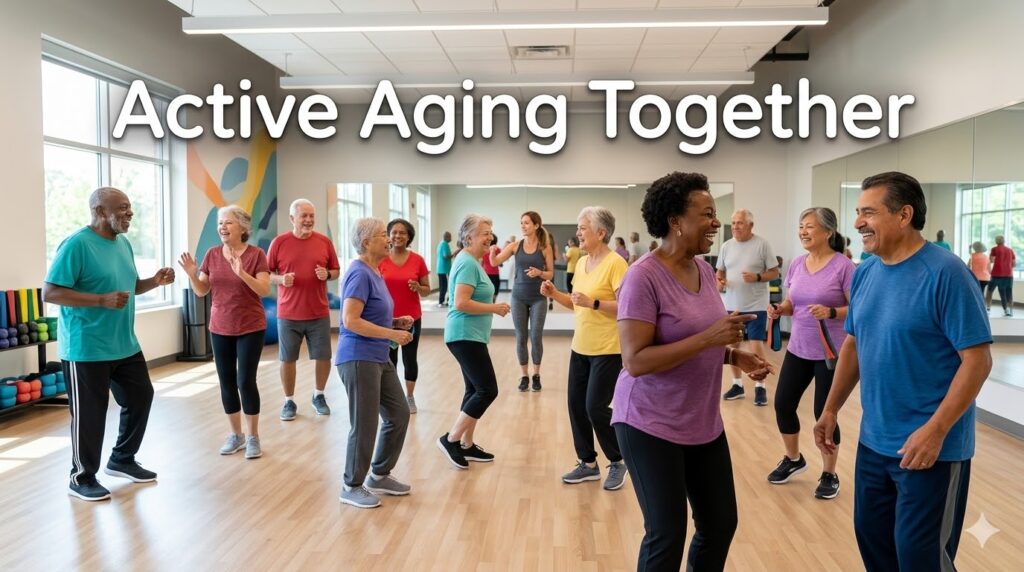
One of the greatest benefits of group classes is the authentic social connection they foster. Sharing laughs over a missed step, encouraging each other during a challenging repetition, and celebrating collective progress creates a deeply supportive environment. Many classes incorporate partner exercises or lighthearted group challenges that naturally foster camaraderie. Exercising with friends makes the process something to look forward to, rather than a chore. It builds accountability; when your peers expect to see you on Tuesday morning, you are much more likely to show up.
Living in California, I’ve seen firsthand how vibrant these local communities can be—from morning park sessions in sunny community centers to lively aquatic classes where neighbors bond over shared goals, proving that sunshine and shared routines are a powerful combination for mental health. Meeting peers regularly not only builds anticipation and excitement for upcoming sessions but also dramatically reduces feelings of isolation.
Finding Your Perfect Fit: Top Group Classes for Every Ability Lev
The beauty of the modern fitness landscape is that there is truly a class for every fitness level and interest. The goal is to choose a class that matches your current abilities while sparking your interest. It is always about enjoying the experience, moving safely, and connecting with others, not about competing.
Chair Yoga for Mindful Flexibility and Deep Breathing
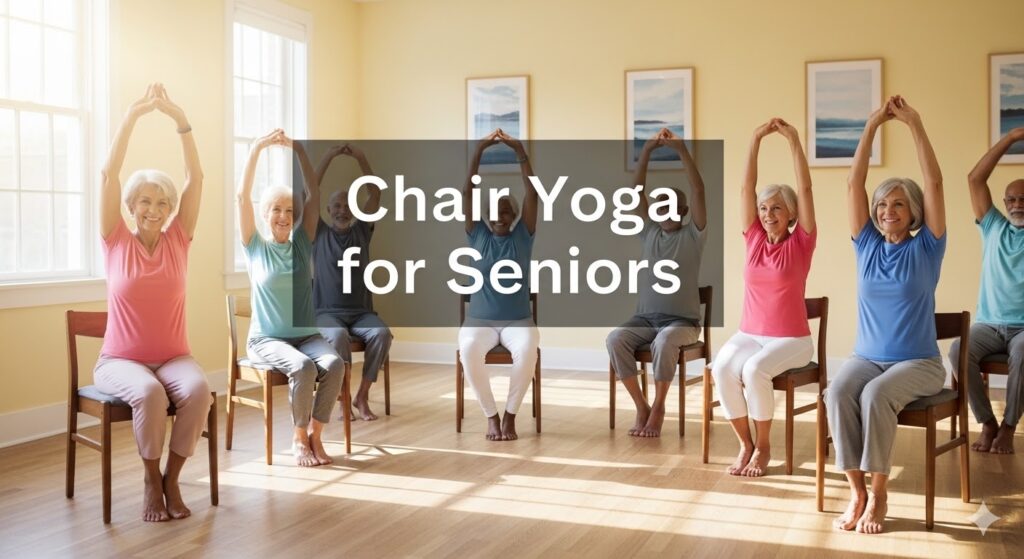
For those with limited mobility or balance concerns, chair yoga is an exceptional choice. It adapts traditional yoga poses so they can be performed while seated or using a chair for support. This practice focuses heavily on gentle stretching, improving joint flexibility, and deep, rhythmic breathing. The meditative aspect of yoga is highly effective for anxiety reduction and promoting a deep sense of inner peace.
Tai Chi for Balance, Serenity, and Fall Prevention
Often described as “meditation in motion,” Tai Chi involves a series of slow, flowing, and purposeful movements accompanied by deep breathing. It is incredibly gentle on the joints and has been clinically proven to improve balance and spatial awareness, significantly reducing the risk of falls. The intense focus required to memorize and execute the forms offers an excellent cognitive workout, while the slow pace induces a profound state of relaxation.
Water Aerobics for Low-Impact Cardiovascular Health
Water provides natural buoyancy, supporting the body’s weight and taking immense pressure off the hips, knees, and spine. Water aerobics offers a fantastic, joint-friendly cardiovascular workout. The resistance of the water also helps build muscle tone without the need for heavy weights. Furthermore, the playful nature of a pool setting often lends itself to a highly social and joyous atmosphere.
Dance Classes for Rhythm, Joy, and Memory
Whether it is Zumba Gold, line dancing, or ballroom, dance classes offer fun cardiovascular exercise disguised as a social event. Following the rhythm of the music and learning choreography is a fantastic way to boost memory and coordination. The music alone can evoke positive memories and elevate mood, making dance one of the most effective ways to boost self-esteem and joy.
Light Strength Training to Maintain Independence
Maintaining muscle mass is crucial for seniors to preserve their independence and ability to perform daily tasks. Light strength training classes, often utilizing resistance bands, light dumbbells, or body weight, help improve endurance and bone density. These classes empower seniors, boosting confidence as they notice tangible improvements in their physical strength and stamina over time.
A Senior’s Actionable Checklist for Joining a Group Class
Taking the first step into a new environment can be intimidating, but careful preparation can ease anxiety and ensure a safe, enjoyable experience. If you are ready to explore the mental health benefits of group fitness, follow this practical checklist:
- Consult Your Healthcare Provider: Always speak with your doctor or physical therapist before beginning any new exercise regimen to ensure it is appropriate for your specific health profile.
- Seek Certified Instructors: Choose classes led by professionals who are specifically certified in senior fitness. They will understand how to offer safe modifications for joint issues, mobility limitations, or specific health conditions.
- Prioritize Proper Footwear: Invest in high-quality, supportive athletic shoes that provide stability and cushioning to prevent slips and reduce impact on your joints.
- Stay Hydrated: As we age, our sense of thirst diminishes. Bring a water bottle to every class and take frequent sips, even if you do not feel actively thirsty.
- Listen to Your Body: This is the golden rule of senior fitness. If a movement causes sharp pain, stop immediately. Rest when needed, and never feel pressured to keep up with the instructor or the rest of the class if you need a break.
- Arrive Early: Get to your first few classes ten minutes early. This allows you to introduce yourself to the instructor, mention any physical limitations, and secure a comfortable spot in the room without feeling rushed.
Beyond the Class: Maintaining Momentum and Well-Being at Home
Regular participation is key to unlocking the full mental and physical benefits of group exercise. Attending just two to three times a week can significantly improve your mood, energy levels, and overall mental health. However, consistency outside the studio is just as important.
Outside of class, seniors can easily maintain their benefits by practicing simple, gentle routines at home. Consider incorporating a five-minute morning stretch to wake up the muscles, taking short daily walks around the neighborhood to get fresh air and vitamin D, or practicing a few seated chair exercises while watching television. These small, daily practices reinforce mental well-being, keep your baseline activity levels up between classes, and prevent joint stiffness.
Group exercise is vastly more than just physical exertion. It is a powerful gateway to better mental health, profound social connection, and daily joy. It leaves participants feeling happier, more confident, deeply connected to their community, and empowered in their aging journey. Move together, connect with others, and embrace the vibrant health that awaits.
🌿 Weekly wellness, health & beauty insights — straight to your inbox
Free subscription · Cancel anytime