Navigating the supplement aisle can feel like wandering through a maze blindfolded. Everywhere you look, there are shiny bottles promising better sleep, boundless energy, and the secret to living longer. As someone deeply invested in maintaining an active, vibrant lifestyle—whether that means keeping up with the grandkids, traveling to new destinations, or simply enjoying a brisk morning walk without fatigue—I completely understand the appeal. Supplements feel like an easy win.
But the hard truth is that many of them don’t actually work, and some can even be risky for your health. Before you spend another dime from your travel or hobby fund on magic pills, let’s break down exactly which supplements you should skip, try, or buy.
Whenever I’m deciding whether to add a new supplement to my routine, I always ask myself three simple questions. I highly encourage you to adopt this framework:
- Why do I need it? Am I trying to manage a specific symptom, or am I trying to prevent something down the line?
- How will I know if it’s working? Can I track my daily symptoms, or is there a straightforward blood test I can take to measure its actual impact?
- What is the quality? If I am going to ingest this every day, how can I ensure I am buying the highest-quality product available?
With these golden rules in mind, let’s dive into the ultimate active senior supplement audit.
The “Skip” List: Don’t Waste Your Money Here
We often take supplements “just in case,” but in many scenarios, this approach is not only a waste of money but potentially harmful. Here are the popular items you can confidently leave on the shelf.
Multivitamins: The False Safety Net
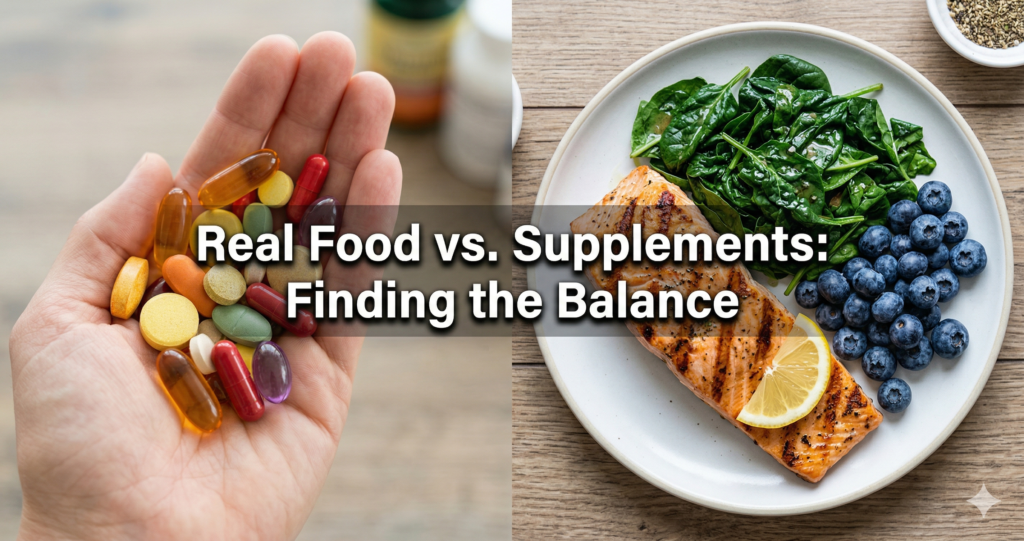
Multivitamins are the classic nutritional insurance policy. We take them to cover our bases, assuming they will fill in any dietary gaps. However, for most people, massive global studies have shown absolutely no benefit for living longer or protecting against major issues like heart disease.
My biggest issue with multivitamins is the false sense of reassurance they provide. It’s incredibly easy to think, “I took my multivitamin today, so I don’t really need to worry about my diet.” That is precisely the wrong mindset for an active lifestyle. Furthermore, in certain populations—like smokers or those with precancerous conditions—high doses of specific vitamins found in these pills (like Vitamin B6) have actually been linked to a slightly higher risk of cancer. They are not universally harmless.
Unless you are recovering from surgery, have a severely limited diet, or have been explicitly advised by a physician due to a diagnosed deficiency, my verdict is to skip the multivitamin. Focus on extracting real nutrients from whole foods instead.
NMN, NAD+, and Overhyped Brain Boosters
When it comes to brain health and anti-aging, I’ve seen countless supplements boasting massive price tags and incredibly bold claims. NMN (a type of Vitamin B3 that helps your body make NAD+) is one of those supplements that sounds revolutionary on paper. NAD+ naturally drops as we age, so boosting it makes logical sense.
However, almost all the claims you see on these expensive labels are based on theoretical mechanisms or studies conducted on mice. There is simply no solid evidence behind them in human trials, and we have absolutely no idea what the long-term effects of taking them might be. Save your money for a plane ticket or a new set of golf clubs. My verdict: Skip.
Iron: Proceed with Extreme Caution
A lot of people automatically reach for iron supplements when they are feeling a bit tired or if they eat a mostly plant-based diet. Iron is undeniably essential; we need it to produce healthy red blood cells that carry oxygen around the body to fuel our activities.
But if you do not have a clinically diagnosed deficiency, taking iron supplements offers zero proven benefits. In fact, too much iron can severely irritate your gut and increase oxidative stress over time, which raises inflammation levels in the body—the exact opposite of what an active senior wants.
If you are feeling sluggish, get your iron levels checked via a simple blood test first. There are hundreds of reasons for fatigue outside of low iron. Instead of rushing to the supplement aisle, eat more iron-rich foods: seafood (mackerel, sardines), lentils, beans, and tofu. Pro Tip: Pair these foods with Vitamin C (like a squeeze of lemon juice or bell peppers) to dramatically increase iron absorption. My verdict: Skip, unless diagnosed with low iron or anemia by your doctor.
The “Try” List: Targeted Boosts for Muscle and Energy
These supplements aren’t strictly mandatory, but they have robust science backing them up. If you are highly active, traveling frequently, or looking to preserve muscle mass, these are worth experimenting with.
Creatine Monohydrate: Not Just for Bodybuilders
Most people associate creatine with young athletes lifting heavy weights. It helps the body produce quick energy for short, intense bursts of activity. However, it is an incredible tool for active seniors. It aids in maintaining muscle mass, which is critical for mobility, balance, and preventing falls as we age.
Even more exciting is the emerging research regarding brain health. Older adults tend to have naturally lower creatine levels, and supplementing can offer cognitive protection. It is highly studied, incredibly safe, and has minimal side effects. The standard dose is 3 to 5 grams of creatine monohydrate daily. My verdict: Try, especially if you exercise regularly or follow a vegetarian diet.
Magnesium: The Muscle and Nerve Regulator
Magnesium is involved in everything from muscle function to blood pressure regulation. While the research on magnesium supplements as a standalone “sleep fix” is somewhat weak, there are noticeable benefits for older adults and those who train vigorously.
It is generally safe, but high doses can cause gastric upset and interact with common senior medications (like antibiotics or osteoporosis drugs), so always consult your physician. Before supplementing, try to hit your 300-400mg daily requirement through foods like pumpkin seeds, almonds, cooked spinach, and quinoa. My verdict: Try, particularly if you struggle with muscle cramps after a busy day or lack magnesium-rich foods in your diet.
Protein Powders: Maintaining Your Strength
The more I dive into the research on aging, the more convinced I am that older adults need significantly more protein to prevent sarcopenia (age-related muscle loss). Protein powders can be an incredibly handy top-up if you are traveling, playing back-to-back tennis matches, or simply not eating enough meat or legumes.
Look for high-quality whey or plant-based proteins that feature third-party testing on their websites to avoid contaminants like heavy metals. Avoid ultra-processed powders loaded with artificial sweeteners and gums. Remember, whole foods like Greek yogurt, eggs, edamame, and lean meats should always come first. My verdict: Try, but use it as a convenient top-up, not your primary protein source.
Probiotics and Green Powders: The Travel Companions
Probiotics and green powders are having a massive marketing moment. While a healthy gut microbiome is crucial for immunity and digestion, popping a generic probiotic daily won’t do much. Your gut contains hundreds of microbe species, and supplements only offer a few. However, if you’ve recently taken antibiotics or suffer from IBS, specific strains recommended by a professional can be beneficial.
Similarly, green powders are no replacement for the fiber and synergistic benefits of chewing real vegetables. But if you are on a long road trip or an international flight where fresh produce is scarce, a high-quality, freeze-dried green powder with no additives can be a great backup. My verdict: Try them situationally, especially for travel.
The “Buy” List: Non-Negotiables for Aging Vibrantly
If you are going to spend your money anywhere, these two categories are where the science strongly supports widespread supplementation, particularly for older adults.
Vitamin D: The Sunshine Hormone
Even if you live in a sunny state, you might be low on Vitamin D. We spend a vast majority of our time indoors, and as we age, our skin becomes less efficient at synthesizing Vitamin D from sunlight. This nutrient acts more like a hormone, regulating hundreds of bodily processes, and is intrinsically linked to stronger bones, fewer fractures, and a robust immune system.
It is very difficult to get enough Vitamin D from food alone. I highly recommend getting a blood test to check your levels. If you are low, a daily supplement of 400 IU to 2,000 IU of Vitamin D3 (ideally paired with Vitamin K2) is highly effective. My verdict: Buy, but test your levels first to ensure you are taking the correct dose.
Omega-3 Fatty Acids: Heart and Brain Guardians
The best evidence we have for Omega-3 supplementation points directly to cardiovascular health, with fantastic secondary benefits for brain function, mood regulation, and reducing joint inflammation.
If you are eating oily fish (salmon, mackerel, sardines) two to three times a week, you might be covered. But if not, a high-quality Omega-3 supplement is absolutely worth buying. Aim for 250 to 500 mg of EPA and DHA daily, though pushing closer to 1-2 grams offers more pronounced anti-inflammatory benefits. Vegans can easily find excellent algae-based Omega-3s. Always look for third-party testing to ensure the oil is not oxidized or rancid. My verdict: Buy, as it is genuinely difficult to get optimal EPA/DHA levels consistently from food.
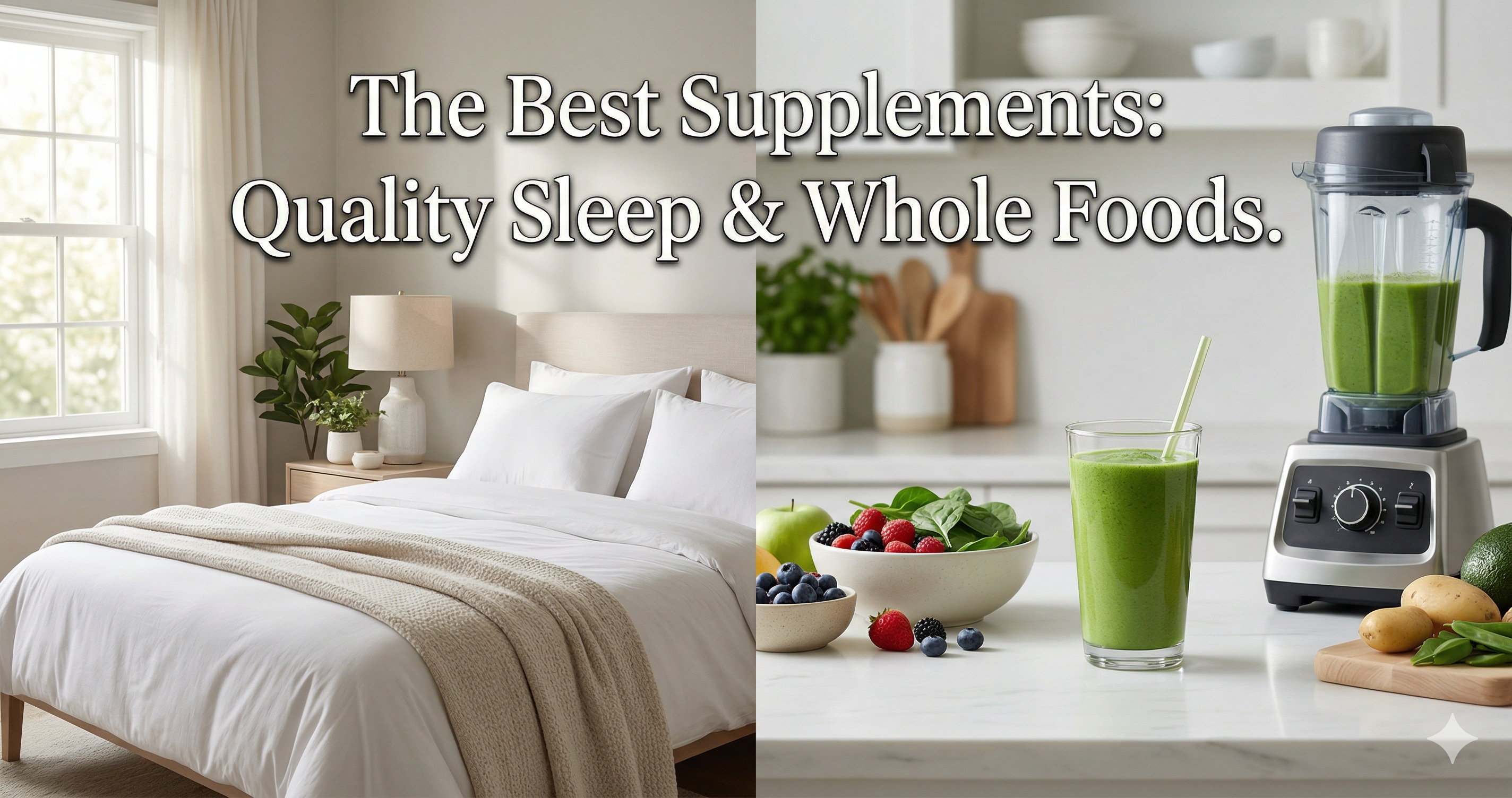
The Real Secret: Whole Foods and Solid Sleep
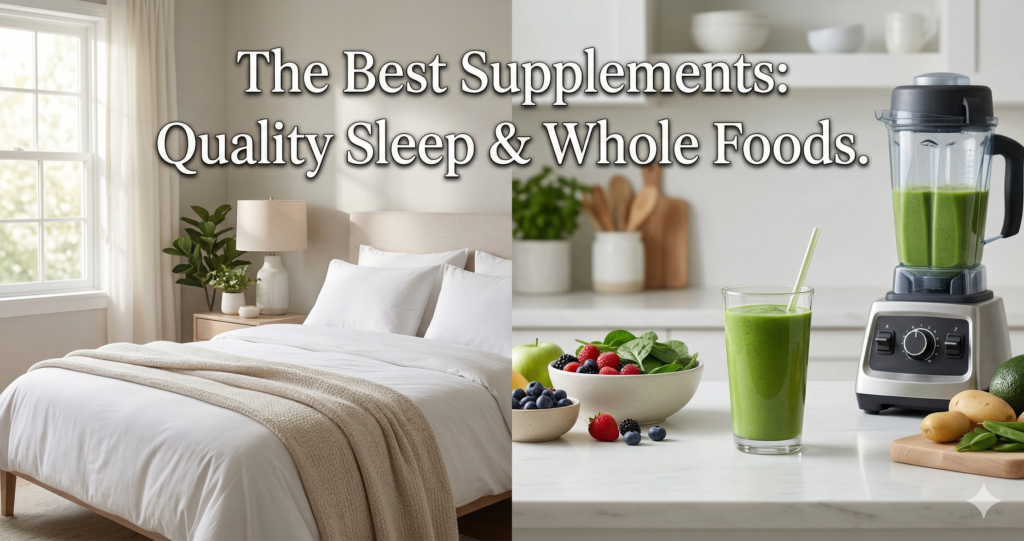
At the end of the day, no pill can outwork a poor diet or chronic exhaustion. The most powerful interventions for an active lifestyle are often the most natural.
Utilize Whole Food Supplements
Instead of isolated, synthetic nutrients, look to whole foods that offer a full spectrum of fiber, healthy fats, and polyphenols working synergistically.
- For Energy: Raw Cacao is packed with flavonols that increase blood flow to the brain.
- For Gut Health: Flax seeds and psyllium husk provide immense amounts of fiber to feed your microbiome and lower cholesterol.
- For Joints: Turmeric (paired with black pepper) is a gentle but powerful anti-inflammatory perfect for post-hike recovery.
Sleep Habits Over Supplements
I am asked constantly about sleep supplements. Instead of relying on pills, audit your habits. Keep your room cool and completely dark. Cut off all caffeine before 11:00 AM. Eat an earlier dinner, and put away your phone or tablet at least two hours before bed. Consistent sleep hygiene will outperform any over-the-counter sleep aid and keep you energized for all the adventures your senior years have to offer.
Stay active, eat well, and travel far!
💡 Frequently Asked Questions (FAQ)
Q1: Do active seniors really need to take a daily multivitamin?
A1: For most active seniors, a daily multivitamin is unnecessary and does not provide proven benefits for preventing major diseases or extending lifespan. Unless you have a specific diagnosed deficiency, a highly restricted diet, or are recovering from surgery, it is much better to obtain your essential nutrients directly from a diverse diet of whole foods.
Q2: How can creatine help me if I am not trying to build large muscles?
A2: Creatine is highly beneficial for seniors because it helps preserve lean muscle mass, which is critical for maintaining balance, mobility, and preventing falls. Furthermore, emerging research shows that creatine supplementation supports brain health and cognitive function in older adults, making it an excellent addition to an active lifestyle.
Q3: What is the most effective way to improve my sleep without taking supplements?
A3: The most effective method for better sleep is strict sleep hygiene. This includes keeping your bedroom cool and dark, stopping caffeine intake before 11:00 AM, eating dinner earlier in the evening, and avoiding digital screens for at least two hours before bedtime. These consistent habits are proven to be more effective than sleep supplements.
🌿 Weekly wellness, health & beauty insights — straight to your inbox
Free subscription · Cancel anytime