Published on SeniorJourneyBlog.com | Reviewed for accuracy by health & wellness specialists
Why Your Brain Deserves Daily Attention After 50
You remember names effortlessly at 30. Then somewhere along the way, you find yourself standing in the kitchen wondering why you walked in. Sound familiar? You are not alone — and more importantly, you are not helpless.
Here’s the encouraging truth: your brain is not simply declining with age. It is adapting. And with the right daily habits, you can actively shape how sharp, focused, and clear-headed you remain well into your 60s, 70s, and beyond.
This guide is your comprehensive, science-backed roadmap. Whether you’re looking to stay mentally competitive at work, support a grandchild’s learning, or simply keep your mind as vibrant as your spirit — the habits in these pages are for you.
The Science Behind Brain Health: What’s Actually Happening
Your brain contains roughly 86 billion neurons — nerve cells that communicate through electrical and chemical signals. As we age, the connections between neurons can weaken, and the brain’s natural repair processes slow down. This is normal. But “normal” does not mean inevitable or irreversible.
Research in neuroplasticity — the brain’s ability to form new connections — shows that the adult brain remains remarkably capable of growth and change at any age. The key is consistent stimulation through the right habits.
Think of your brain like a garden. Without water, sunlight, and regular tending, it becomes overgrown and dim. With the right care, it blooms.
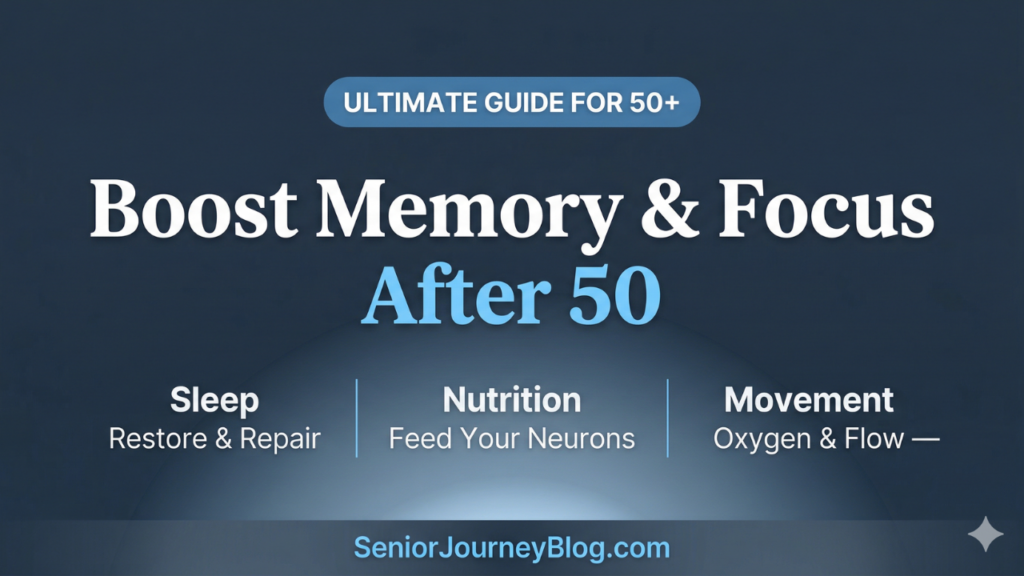
Foundational Habit #1: Prioritize Deep, Restorative Sleep
If there is one habit that underpins everything else in this guide, it is sleep. Not just any sleep — quality sleep.
Why Sleep Is Your Brain’s Cleaning Crew
During deep sleep, your brain activates what scientists call the glymphatic system — a biological cleaning mechanism that flushes out toxic waste proteins, including beta-amyloid, which is associated with Alzheimer’s disease. Skimp on sleep, and those toxins accumulate.
Studies consistently show that poor sleep leads to memory problems, reduced focus, and slower problem-solving skills. For adults over 50, chronic sleep disruption is also linked to a higher risk of cognitive decline.
How to Improve Your Sleep Starting Tonight
- Keep a consistent schedule. Go to bed and wake up at the same time every day — even on weekends. Your brain’s internal clock thrives on rhythm.
- Create a wind-down routine. Dim lights an hour before bed. Avoid screens. Try light reading, gentle stretching, or a warm bath.
- Watch your sleep environment. A cool, dark, quiet room signals your brain that it’s time to rest.
- Limit alcohol and caffeine after 2 PM. Both interfere with the deeper stages of sleep, even if you fall asleep easily.
Most adults over 50 need between 7 and 9 hours of quality sleep per night. If you frequently wake up exhausted or struggle to stay alert during the day, talk to your doctor — sleep apnea is common and very treatable.
Foundational Habit #2: Move Your Body to Protect Your Mind
Exercise is arguably the single most powerful thing you can do for long-term brain health — and you do not need to run marathons to benefit.
The Brain-Body Connection
Cardiovascular exercise increases blood flow throughout the body, including the brain. A healthy heart pumps oxygen and nutrients efficiently to the brain’s billions of neurons. Regular movement also triggers the release of BDNF (Brain-Derived Neurotrophic Factor) — often called “Miracle-Gro for the brain” — which helps neurons grow, connect, and survive.
Regular exercise has been shown to increase the size of the hippocampus, the brain region most critical for memory and learning. For adults over 50, this is powerful news.
Brain-Boosting Exercises to Try
- Brisk walking — 30 minutes most days is enough to see significant cognitive benefits.
- Swimming — gentle on joints and excellent for cardiovascular health.
- Dancing — combines aerobic movement with rhythm, coordination, and social interaction (a triple brain boost).
- Tai Chi — shown to improve balance, reduce stress, and enhance cognitive function in older adults.
- Resistance training — lifting light weights 2–3 times per week supports memory and executive function.
The goal is consistency, not intensity. A 20-minute walk every day beats an occasional intense gym session.
Habit #3: Feed Your Brain the Right Nutrients
What you eat directly determines how your brain functions. Your brain is nearly 60% fat, and its neurons are wrapped in a fatty protective layer that enables fast, clear communication. The quality of that fat — and every other nutrient you consume — matters enormously.
Omega-3 Fatty Acids: The Brain’s Best Friend
The most beneficial fats for brain function are omega-3 fatty acids, specifically EPA (eicosapentaenoic acid) and DHA (docosahexaenoic acid). These fats reduce neuroinflammation, improve focus, sharpen memory, and support long-term brain health.
The best food sources of omega-3s include:
- Fatty fish such as salmon, sardines, mackerel, and anchovies
- Walnuts
- Flaxseeds and chia seeds
- Algae-based supplements (an excellent option for those who don’t eat fish)
Aim for at least 1.5 to 2 grams of EPA and DHA per day. If you’re not eating fatty fish two to three times per week, a quality omega-3 supplement is a smart investment in your cognitive future.
Complex Carbohydrates for Sustained Mental Energy
Your brain runs on glucose — but the type of carbohydrate matters. Refined sugars cause rapid spikes and crashes in blood sugar, leaving you foggy and unfocused. Complex carbohydrates release glucose slowly and steadily, keeping your brain energized throughout the day.
Excellent sources include whole grains, oats, quinoa, sweet potatoes, and legumes. Swap white bread and sugary cereals for these nutrient-dense alternatives, and you’ll notice a real difference in your afternoon energy and mental clarity.
Protein: Building Blocks for Neurotransmitters
Proteins provide the amino acids your brain uses to manufacture neurotransmitters — the chemical messengers that allow your neurons to communicate. Low levels of key neurotransmitters like serotonin, dopamine, and acetylcholine are linked to poor memory, low mood, and difficulty concentrating.
High-quality protein sources for brain health include eggs, lean poultry, fish, tofu, lentils, and Greek yogurt. Aim to include a quality protein source at every meal.
Antioxidants: Protecting Against Brain Aging
Free radicals — unstable molecules produced by normal metabolism and environmental stressors — can damage brain cells through a process called oxidative stress. Antioxidants neutralize these free radicals and reduce inflammation, two major drivers of cognitive aging.
Load up on:
- Berries (blueberries are especially studied for cognitive benefits)
- Dark leafy greens such as spinach, kale, and broccoli
- Dark chocolate (70% cacao or higher, in moderation)
- Green tea
Hydration: The Overlooked Brain Booster
Even mild dehydration — as little as 1–2% body water loss — can impair cognitive performance, causing fatigue, brain fog, and difficulty concentrating. Many older adults have a reduced sense of thirst, making conscious hydration especially important.
Aim for 6–8 glasses of water per day. Coconut water is an excellent choice for variety, as it provides electrolytes alongside hydration. Herbal teas and water-rich fruits and vegetables also count.
Just as muscles grow stronger with resistance training, your brain strengthens through cognitive challenge. The key is to pursue activities that are genuinely difficult for you — comfortable repetition does little to build new neural connections.
Mental Activities With Proven Cognitive Benefits
- Learning a new language — one of the most powerful brain-training activities known to science
- Playing a musical instrument — engages memory, coordination, and emotional processing simultaneously
- Strategy games such as chess, bridge, or complex puzzles
- Reading books — particularly across diverse genres and topics
- Writing — journaling, memoir writing, or creative fiction
- Learning new technology — yes, mastering a smartphone or new software counts
The concept of “cognitive reserve” — the brain’s resilience against age-related change — is built over a lifetime of mental engagement. It is never too late to start building it.
Habit #5: Nurture Your Social Connections
Loneliness is not just emotionally painful — it is genuinely harmful to brain health. Social isolation is now recognized as a significant risk factor for cognitive decline and dementia. Meaningful social engagement keeps the brain active, emotionally regulated, and mentally sharp.
Ways to Stay Socially Connected
- Join a community group, book club, or faith community
- Volunteer — it provides purpose, routine, and connection
- Take a class (art, cooking, fitness) where you regularly interact with others
- Stay in regular contact with family and friends, in person when possible
- Consider a pet — caring for an animal provides companionship and daily structure
For adults who have retired or experienced loss, building intentional social routines takes effort. But the cognitive payoff is substantial.
Habit #6: Manage Stress to Protect Your Memory
Chronic stress floods the brain with cortisol — a hormone that, over time, damages the hippocampus (your memory center) and impairs the prefrontal cortex (responsible for focus and decision-making). Managing stress is not a luxury; it is brain protection.
Effective Stress-Reduction Habits for Adults 50+
- Mindfulness meditation — even 10 minutes daily has measurable effects on stress hormones and cognitive function
- Deep breathing exercises — activates the parasympathetic nervous system, immediately calming the brain
- Time in nature — shown to reduce cortisol and improve attention
- Gratitude practice — writing down three things you’re grateful for each day shifts brain activity toward positive emotional regulation
- Limiting news consumption — set specific times to check news rather than scrolling throughout the day
Your Action Plan: 3 Steps to Start This Week
Step 1: Audit Your Sleep and Commit to a Schedule
This week, track your sleep. Note when you go to bed, when you wake, and how rested you feel. If you’re averaging less than 7 hours, set a consistent bedtime 30 minutes earlier than your current habit — and protect it.
Step 2: Add One Brain Food to Every Meal
Do not overhaul your entire diet at once. Instead, identify one brain-boosting food to add to breakfast, lunch, and dinner. A handful of walnuts with breakfast. Salmon for dinner twice this week. A bowl of blueberries as your afternoon snack. Small additions compound into powerful habits.
Step 3: Choose One New Mental Challenge and Schedule It
Pick one cognitively challenging activity you have been meaning to try — a language app, a new book, a puzzle. Put it on your calendar for 20–30 minutes, three times this week. Consistency matters more than duration.
What to Avoid: Habits That Harm Your Brain
Being intentional about brain health means knowing what to remove, not just what to add.
- Ultra-processed foods high in trans fats and refined sugars promote neuroinflammation and are linked to poorer memory and focus
- Excess alcohol disrupts sleep architecture and damages neurons with chronic use
- Chronic sedentary behavior — sitting for extended hours without movement reduces blood flow to the brain
- Social isolation — as noted above, loneliness accelerates cognitive aging
- Smoking — significantly increases the risk of dementia and cerebrovascular disease
A Note on Supplements and Medical Guidance
While this guide focuses on lifestyle habits, some adults benefit from targeted supplements — particularly omega-3s, magnesium, vitamin D, and B vitamins (especially B12, which many older adults absorb less efficiently). Before starting any supplement regimen, consult your physician or a registered dietitian.
If you are noticing significant changes in memory or cognitive function, speak with your doctor promptly. Early evaluation opens more options.
Closing Thoughts: Your Brain Is Still Writing Its Best Chapters
The habits in this guide are not complicated, expensive, or reserved for the young. They are available to you right now, today. Sleep well. Move regularly. Eat nourishing food. Challenge your mind. Stay connected. Manage your stress.
No single habit is a magic bullet — but together, they form a powerful, evidence-based strategy for keeping your brain sharp, your focus clear, and your memory strong for decades to come.
Your best thinking may still be ahead of you.
💡 Frequently Asked Questions (FAQ)
Q: At what age does brain decline typically begin, and is it reversible?
A: Mild cognitive changes can begin as early as the mid-40s to 50s, but significant decline is not inevitable. Research in neuroplasticity confirms that the brain can form new connections at any age. Consistent habits — quality sleep, exercise, brain-healthy nutrition, and mental stimulation — can slow, halt, or even partially reverse age-related cognitive changes. Early action produces the greatest benefit, but starting at any age is worthwhile.
Q: What are the most effective foods for memory and focus after 50?
A: The most evidence-backed brain foods include fatty fish (salmon, sardines, mackerel) for omega-3 fatty acids, blueberries and mixed berries for antioxidants, leafy greens (spinach, kale, broccoli) for folate and vitamins, eggs and lean protein for neurotransmitter support, walnuts, and whole grains for steady glucose. Staying hydrated is equally critical — even mild dehydration impairs concentration and memory recall.
Q: How much exercise is needed to see cognitive benefits?
A: Studies suggest that as little as 30 minutes of moderate-intensity aerobic exercise (brisk walking, swimming, cycling) on most days of the week produces measurable cognitive benefits. The key is consistency. Resistance training 2–3 times weekly also supports memory and executive function. You do not need to exercise intensely — gentle, regular movement is sufficient and sustainable for most adults over 50.
Q: Are brain-training apps actually effective for memory?
A: Some commercial brain-training apps show limited real-world transfer — meaning skills learned in the app may not translate broadly to daily cognitive function. More effective approaches include learning genuinely new skills (a language, instrument, or craft), reading widely, playing strategy games, and engaging in complex social conversations. These activities challenge the brain in varied, meaningful ways that apps typically cannot replicate.
Q: What is the link between heart health and brain health for seniors?
A: The connection is direct and well-established. The brain receives approximately 20% of the heart’s total blood output. Conditions that impair cardiovascular function — high blood pressure, high cholesterol, type 2 diabetes, and arterial disease — reduce blood flow to the brain and significantly increase the risk of cognitive decline and vascular dementia. Managing heart health through diet, exercise, and medication (when prescribed) is one of the most powerful strategies for protecting long-term brain function.
🌿 Weekly wellness, health & beauty insights — straight to your inbox
Free subscription · Cancel anytime