
Natural Sleep Hygiene Tips for Elderly Insomnia: The Ultimate Guide to Restful Nights After 60
7 natural sleep hygiene tips for elderly insomnia — gentle, practical strategies to help you or someone you love fall asleep faster, stay asleep longer, and wake up feeling refreshed, without relying on medication.
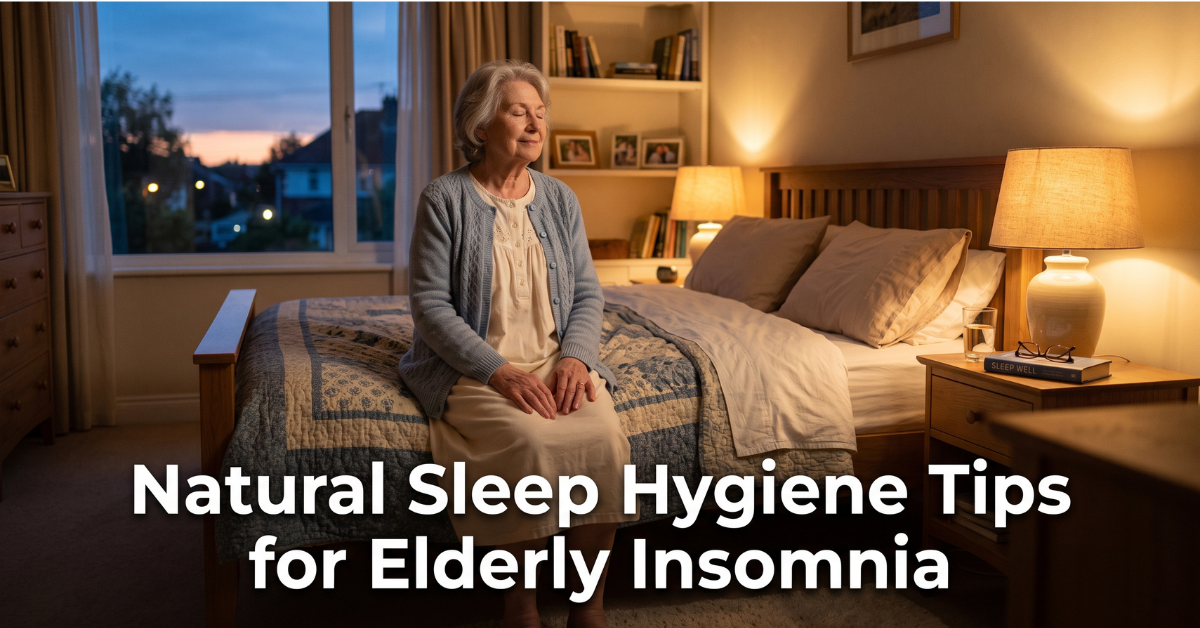
A quick, honest note before we begin: If you have tossed and turned at 3 a.m. more nights than you can count, please know this — you are not broken, you are not alone, and insomnia after 60 is not something you simply have to “live with.” It is one of the most common, and most fixable, challenges of aging. This guide will walk you through exactly why sleep changes as we get older, and — more importantly — offer natural sleep hygiene tips for elderly insomnia you can start using tonight.
Why Sleep Becomes Harder as We Age
There is a persistent myth that older adults simply “need less sleep.” That is not quite true. Most adults over 65 still need between seven and eight hours of sleep per night — the same as younger adults. What changes is not the need for sleep, but the architecture of sleep itself.
Sleep researchers describe this architecture in terms of cycles — roughly 90-minute rotations through light sleep, deep sleep, and REM (dream) sleep that repeat several times each night. In younger adults, these cycles include long, uninterrupted stretches of deep sleep, particularly in the first half of the night. In older adults, that deep-sleep portion of each cycle naturally shrinks, and transitions between stages become more frequent. This is precisely why so many people over 60 describe their sleep as “lighter” than it used to be, even when they’re doing everything right.
As we age, our bodies produce less melatonin, the hormone that signals to the brain that it is time to rest. Our circadian rhythm — the internal clock that governs when we feel sleepy and when we feel alert — tends to shift earlier, which is why many seniors find themselves wide awake at 4 a.m. even though they went to bed at a reasonable hour. On top of this, we spend less time in deep, restorative sleep and more time in lighter stages of sleep, which makes us far more sensitive to disruptions like a passing car, a partner’s movement, or the need to use the bathroom.
Add to this the very real impact of joint pain, arthritis, acid reflux, an enlarged prostate, menopause-related hot flashes, medication side effects, and the emotional weight of retirement, loss, or loneliness — and it becomes clear why so many people over 55 quietly struggle with sleep, often without ever mentioning it to their doctor.
The good news is this: because so much of elderly insomnia is rooted in habits, environment, and daily rhythm rather than an untreatable medical condition, it responds remarkably well to natural, non-drug interventions. That is exactly what this guide is built around.
The Hormonal and Physical Shifts Behind the Scenes
Beyond melatonin, several other physical changes quietly reshape sleep as we age. Growth hormone, which supports deep sleep, declines significantly after midlife. Cortisol, the body’s primary stress hormone, tends to peak earlier in the morning in older adults, which can contribute to that frustrating experience of waking up wide awake at 4 or 5 a.m. and being unable to fall back asleep. For women, the hormonal shifts of menopause — particularly declining estrogen — are strongly linked to hot flashes, night sweats, and fragmented sleep, sometimes for years after menopause itself has technically ended. For men, an enlarging prostate gland increases nighttime bathroom trips, directly fragmenting sleep continuity.
None of these changes mean good sleep is out of reach — they simply mean that the strategies which worked in your 30s and 40s may need to be adapted. This is exactly why a one-size-fits-all “just go to bed earlier” approach so often fails for older adults, and why a more comprehensive approach — covering environment, timing, food, light, movement, and mindset together — tends to work so much better.
A Story You Might Recognize
Consider Margaret, 71, who came to view her nightly wake-ups as simply “how things are now.” She would fall asleep easily around 9:30 p.m., only to find herself staring at the ceiling by 2:30 a.m., mind racing through old worries and new ones alike. By the time her alarm went off, she felt as though she hadn’t slept at all. Margaret’s story is remarkably common — and remarkably fixable. As you’ll see throughout this guide, her breakthrough came not from a new medication, but from three small, boring, consistent changes: a fixed wake-up time, blackout curtains, and a five-minute breathing routine before bed. Within three weeks, her 2:30 a.m. wake-ups had dropped from nightly to just once or twice a week.
Common Myths About Sleep and Aging — Debunked
Myth: “Older people just need less sleep.” As covered above, this isn’t accurate. The need for sleep remains largely stable; what changes is the body’s ability to achieve deep, uninterrupted rest.
Myth: “If I can’t sleep, I should just stay in bed and rest my body, even if I’m not asleep.” Lying awake in bed for extended periods actually trains your brain to associate the bed with wakefulness and frustration, which can make insomnia worse over the long run. It’s better to get up and do something calm elsewhere until sleepiness returns.
Myth: “A glass of wine helps me sleep, so it must be good for my sleep quality.” Alcohol can help you fall asleep faster, but it disrupts the second half of the night, reducing REM sleep and increasing the likelihood of early waking. Feeling sleepy is not the same as sleeping well.
Myth: “Sleeping pills are the only real solution for chronic insomnia.” In reality, major medical guidelines — including those from the American College of Physicians — recommend Cognitive Behavioral Therapy for Insomnia (CBT-I) as the first-line treatment for chronic insomnia, ahead of medication, precisely because its benefits tend to last longer and come without the side effects or dependency risks of sleep drugs.
Myth: “There’s nothing I can do — this is just my genetics or bad luck.” While some people are naturally more prone to lighter sleep, the vast majority of chronic insomnia in older adults is heavily influenced by modifiable factors: light exposure, routine consistency, evening habits, and stress management. Even people who have struggled with sleep for years typically see meaningful improvement once they apply a consistent, comprehensive approach like the one outlined in this guide.
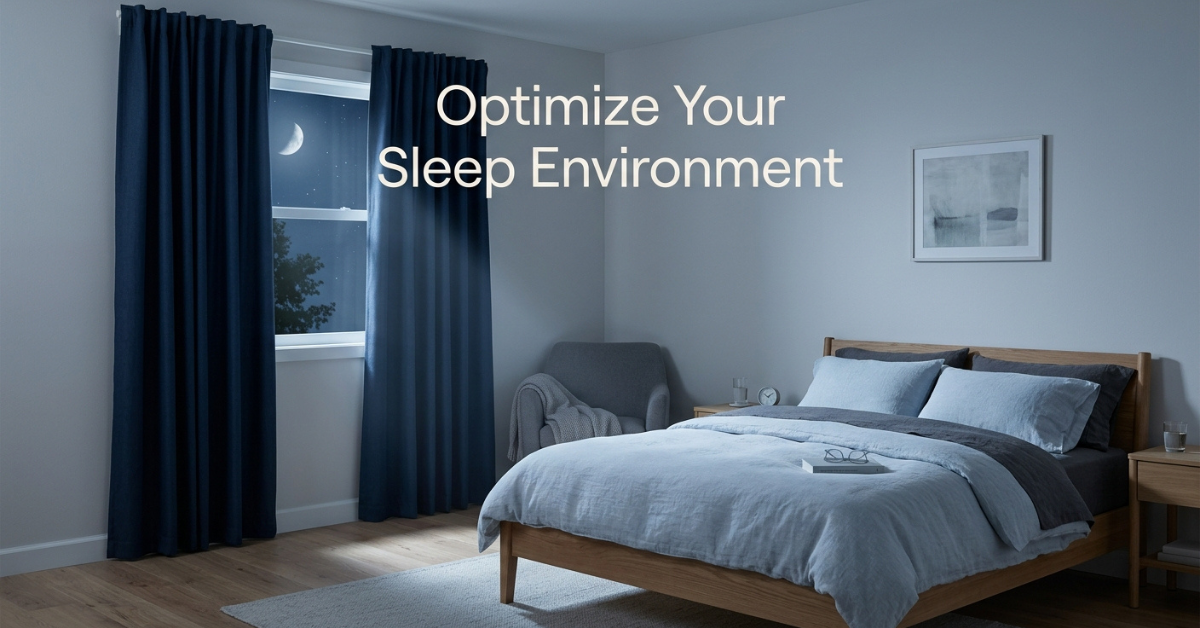
7 Natural Sleep Hygiene Tips for Elderly Insomnia: Where to Start
Before diving into each strategy in detail, here is the complete picture: these natural sleep hygiene tips for elderly insomnia work best as a connected system rather than isolated fixes. Environment, routine, diet, light, movement, relaxation, and — when needed — medical guidance all reinforce one another. Let’s walk through each one.
1. Optimize Your Sleep Environment
Before you change a single habit, start with the room itself. Your bedroom sends constant signals to your brain about whether it is time to rest or time to stay alert — and many of those signals are easier to fix than you might think.
Temperature: Cooler Than You Think
Most sleep researchers recommend a bedroom temperature between 60 and 67 degrees Fahrenheit (about 15–19°C). This may feel cooler than what feels “cozy” during the day, but your core body temperature naturally drops as you fall asleep, and a warm room fights against that process. If you feel cold, add a blanket rather than raising the thermostat — this lets your body regulate its own temperature more effectively.
Light: Darker Is Better, Even for Short Trips to the Bathroom
Blackout curtains are one of the single best investments a senior can make for sleep quality. Even small amounts of light — a streetlamp through the blinds, a phone charging light, a hallway bulb — can suppress melatonin production and lighten your sleep. If you need to get up at night, use a small, dim, motion-activated night light in the hallway or bathroom rather than switching on a bright overhead light, which can jolt your brain fully awake and make it far harder to fall back asleep.
Noise: Consistency Beats Silence
Total silence is not always the goal — in fact, a completely silent room can make every small sound (a creaking floor, a car outside) feel jarring. Many seniors sleep better with a steady, low white noise machine or a simple fan running throughout the night. The consistent hum masks sudden noises without being distracting itself.
Consider a Weighted Blanket
Weighted blankets, typically ranging from 12 to 20 pounds, apply gentle, even pressure across the body — a sensation sometimes called “deep pressure stimulation” that has been shown in small studies to reduce nighttime restlessness and ease anxiety for some users. They are generally considered safe for most healthy older adults, though anyone with respiratory conditions, circulation problems, or significant mobility limitations should check with their doctor before using one, since the added weight can make it harder to reposition during the night.
The Mattress and Pillow Question
If your mattress is more than eight to ten years old, or if you wake up with new aches that ease as the day goes on, it may genuinely be time to replace it. For seniors with arthritis or joint pain, a medium-firm mattress that supports the spine while cushioning pressure points at the hips and shoulders is often the most comfortable choice. Side sleepers may also benefit from a pillow between the knees to reduce hip and lower back strain — a small change that can make a noticeably large difference.
Reduce Fall Risk in the Dark
One reason some seniors avoid getting up at night — even when they need to use the bathroom — is fear of falling in the dark. Rather than skipping the trip and lying uncomfortably awake, address the fall risk directly: install a plug-in or battery-operated motion-sensor night light along the path from bed to bathroom, remove any loose rugs or cords in that path, and consider a bedside rail if balance is a concern. Feeling physically safe getting up at night removes one more source of the anxiety that keeps people from truly relaxing into sleep.
Scent and Atmosphere
Certain scents, particularly lavender, have modest but real evidence supporting their calming effects. A few drops of lavender essential oil on a pillow corner, a lavender-scented sachet in a drawer, or a diffuser set on a low, timed setting can add a gentle sensory cue that reinforces “this room is for rest.” As with all sensory cues, consistency is what makes it effective — using the same scent every night, rather than occasionally, helps train the association over time.
💡 Quick Win: Tonight, try just one change from this section — close the curtains completely, turn the thermostat down two degrees, or turn your phone charger away from the bed. Small environmental shifts often produce noticeably better sleep within just a few nights.
2. Build a Consistent Bedtime Routine
Our brains love predictability, and this becomes even more true as we age. A consistent wind-down routine tells your nervous system, step by step, that the day is ending and rest is coming — much the way a bedtime story once helped you (or your children) fall asleep as a child. This kind of routine-building is one of the simplest natural sleep hygiene tips for elderly insomnia, and it costs nothing to start.
Set a Fixed Wake-Up Time — Not Just a Bedtime
It may sound backwards, but the single most powerful anchor for good sleep is a consistent wake-up time, seven days a week, regardless of how well you slept the night before. Your circadian rhythm resets each morning based on when you wake and when you get light exposure. Sleeping in on weekends to “catch up” actually confuses your internal clock and can make insomnia worse over time.
Create a 30–45 Minute Wind-Down Ritual
Choose two or three calming activities and repeat them in the same order each night. This might look like: dimming the lights, washing your face, reading a few pages of a physical book (not a screen), and doing five minutes of slow breathing. The specific activities matter less than the consistency — your brain will begin to associate the sequence itself with the approach of sleep.
The One-Hour Screen Rule
Televisions, tablets, and phones emit blue light that directly suppresses melatonin. Just as importantly, news programs, social media, and emotionally engaging shows keep the mind alert and analytical right when it should be slowing down. Try switching to audiobooks, calm music, or a paperback in the final hour before bed.
Reserve the Bed for Sleep Only
If you find yourself lying awake for more than 20 minutes, get up, go to another room, and do something quiet and dim (like reading) until you feel genuinely sleepy again. This may feel counterintuitive, but training your brain to associate the bed only with sleep — not with worry, wakefulness, or watching television — is one of the most well-supported techniques in all of sleep medicine, known as stimulus control therapy.
Handle Worry Before It Becomes Bedtime Worry
Many older adults report that their minds become busiest exactly when they most need quiet — reviewing finances, replaying conversations, or worrying about family. Rather than trying to fight these thoughts once you’re lying down, address them earlier in the evening. Set aside 10 minutes, an hour or two before bed, to jot down tomorrow’s to-do list or any lingering concerns. This “closing the loop” ritual signals to your brain that these matters have been noted and can wait until morning, freeing up mental space for rest.
Involve a Spouse or Caregiver in the Routine
If you share a bed or a home with a spouse, partner, or caregiver, invite them into your wind-down routine rather than keeping it separate. Two people winding down on different schedules — one watching television while the other tries to sleep — often undermines both people’s rest. A shared, quiet final half hour benefits everyone in the household and reduces the friction that can come from mismatched sleep schedules.

3. Foods, Drinks, and Supplements That Support Better Sleep
What — and when — you eat and drink in the evening has an outsized effect on sleep quality, especially for older adults, whose digestion and bladder both tend to become more sensitive with age.
Mind the Clock, Not Just the Menu
Try to finish your last full meal at least three hours before bed. Lying down soon after eating increases the risk of acid reflux, which is a major, often overlooked cause of nighttime awakenings in people over 60. If you are hungry closer to bedtime, a small, light snack — a banana, a few almonds, or a slice of whole-grain toast — is gentler on digestion than a heavy meal.
Watch Your Fluids in the Evening
Nocturia — the need to urinate during the night — is one of the most common sleep disruptors for older adults. Try tapering fluids in the two to three hours before bed, and if possible, use the bathroom right before turning off the light, even if you don’t feel a strong urge. This alone can eliminate one or more nighttime wake-ups for many people.
Caffeine and Alcohol: The Two Sneaky Culprits
Caffeine sensitivity increases with age, meaning that a cup of coffee at 2 p.m. may still be affecting your sleep at 10 p.m. Try shifting your last caffeinated drink to before noon. Alcohol is trickier — while a nightcap may help you fall asleep faster, it fragments sleep in the second half of the night and is strongly associated with more frequent waking, making overall sleep quality worse, not better.
Sleep-Supportive Foods Worth Adding
Certain foods naturally support the body’s own sleep chemistry. Tart cherries and cherry juice contain natural melatonin. Warm milk and dairy products contain tryptophan, an amino acid the body uses to produce serotonin and melatonin. Chamomile tea has mild calming properties and has been used as a traditional sleep aid for generations. Magnesium-rich foods — leafy greens, pumpkin seeds, and almonds — support muscle relaxation and nervous system calm.
Magnesium deserves a bit more attention here, since deficiency becomes more common with age due to changes in absorption, certain medications (including some diuretics and acid reflux drugs), and reduced dietary intake. Beyond leafy greens and nuts, other good sources include pumpkin seeds, black beans, avocado, and whole grains. Some older adults also find that a modest magnesium glycinate supplement, taken in the evening and approved by their doctor, supports both muscle relaxation and a calmer nervous system — though as with all supplements, it’s worth confirming there are no interactions with your existing medications first, particularly blood pressure or kidney medications.
It’s also worth mentioning what to generally avoid close to bedtime: spicy or heavily seasoned foods, which can worsen acid reflux when lying down; large amounts of sugar, which can cause a blood sugar spike followed by a dip that may wake you in the middle of the night; and excessive fluids of any kind, including herbal teas, in the final hour before sleep.
A Gentle, Non-Habit-Forming Option Worth Knowing About
For nights when your mind simply won’t quiet down, some readers prefer a gentle, non-habit-forming option rather than reaching for prescription sleep aids. One product frequently recommended in natural wellness communities is Boiron’s SleepCalm, a homeopathic meltaway tablet designed to ease occasional sleeplessness without next-day grogginess or dependency concerns. As with any supplement, it’s worth discussing with your pharmacist or physician first, particularly if you take other medications — but for many people looking for a drug-free option to keep on the nightstand, it’s a reasonable one to explore.
🌙 Worth a Look: A gentle, homeopathic option for occasional sleeplessness — no grogginess, no dependency.
View SleepCalm on iHerb →A Sample Sleep-Friendly Evening
To pull all of this together, here is what a sleep-supportive evening might look like in practice: dinner finished by 6:30 p.m., a small cup of chamomile tea around 8:00 p.m., a light snack of a few almonds if needed, a last bathroom trip and final glass of water by 8:45 p.m., and lights dimmed by 9:00 p.m. in preparation for a 10:00 p.m. bedtime. None of these individual choices needs to be perfect every single night — the goal is a general pattern your body can learn to anticipate and trust.

4. Reset Your Body Clock with Light
Light is the single most powerful regulator of your circadian rhythm — more powerful than any pill or supplement. Unfortunately, many older adults, especially those who are retired or spend more time indoors, get far less natural daylight exposure than their bodies need. Of all the natural sleep hygiene tips for elderly insomnia covered in this guide, adjusting light exposure often produces the fastest noticeable results.
Get Bright Light Within an Hour of Waking
Step outside, sit by a bright window, or take a short morning walk within 30 to 60 minutes of waking up. This exposure tells your brain “the day has begun,” which helps set the timer for melatonin release roughly 14 to 16 hours later — right around bedtime. On overcast days or during winter months, a light therapy lamp (10,000 lux) used for 20–30 minutes in the morning can serve as an effective substitute.
Dim the Lights as Evening Approaches
Just as morning light wakes the brain up, bright evening light — especially overhead lighting and cool white LED bulbs — delays melatonin release. Starting around sunset, switch to warmer, dimmer lamps rather than overhead lights, and consider “night mode” or blue-light filters on any screens you do use.
Be Cautious with Long Daytime Naps
A short nap of 20–30 minutes in the early afternoon can be refreshing and does not typically interfere with nighttime sleep. However, naps longer than 30 minutes, or naps taken after 3 p.m., can reduce your body’s natural “sleep pressure,” making it much harder to fall asleep that night.
Consider a Light Therapy Lamp for Winter Months
For those living in northern climates, shorter winter days can meaningfully disrupt circadian rhythm, contributing to both mood changes and sleep disturbances — sometimes called seasonal affective patterns. A 10,000-lux light therapy lamp, used for 20 to 30 minutes each morning while having coffee or reading, is a well-studied, inexpensive way to compensate for reduced natural daylight and has been shown to improve both mood and sleep timing in older adults during darker months.

5. Gentle Movement for Deeper Sleep
You don’t need an intense workout to improve your sleep — in fact, vigorous exercise too close to bedtime can be overstimulating for some older adults. What matters most is regular, gentle movement earlier in the day.
Aim for a Daily Walk
Research consistently shows that adults over 60 who walk regularly — even just 20 to 30 minutes a day — fall asleep faster and experience fewer nighttime awakenings than those who are sedentary. A walk in the morning or early afternoon offers the added benefit of natural light exposure, addressing two sleep factors at once.
Try Gentle Strength and Flexibility Work
Chair yoga, tai chi, and light resistance band exercises improve not only sleep but also balance and joint mobility, reducing the discomfort that often keeps seniors awake at night. Many community centers and senior living facilities offer free or low-cost classes specifically designed for older bodies.
Time It Right
Try to finish any moderate exercise at least three to four hours before bedtime. Exercising too late can raise your core body temperature and heart rate right when your body is trying to wind down, delaying sleep onset.
Movement for Limited Mobility
If joint pain, a recent surgery, or a chronic condition limits how much you can walk or exercise, don’t assume movement is off the table entirely. Seated arm and leg exercises, gentle stretching in a chair, or even standing and shifting weight from foot to foot for a few minutes several times a day can provide real benefit. The goal is simply to give your body enough daytime activity to build healthy “sleep pressure” by evening — any safe, doctor-approved movement counts.
Consistency Over Intensity
A daily 20-minute walk will do more for your long-term sleep quality than an occasional hour-long, exhausting workout. Building a routine you can realistically sustain — rain or shine, motivated or not — matters far more than pushing hard on the days you happen to feel energetic.
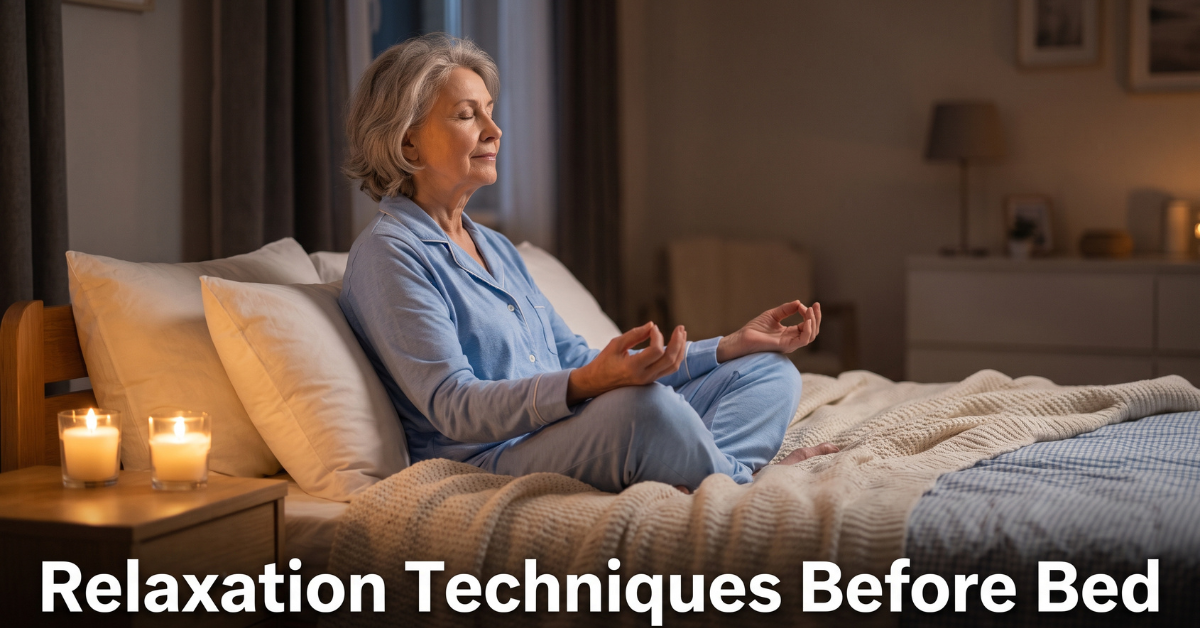
6. Calm the Mind: Relaxation Techniques That Actually Work
For many seniors, the biggest obstacle to sleep isn’t the body — it’s the mind. Worry about health, finances, family, or simply “not being able to sleep” can create a cycle of anxiety that makes rest even harder to reach. The techniques below are simple, require no equipment, and are backed by decades of clinical research.
4-7-8 Breathing
Inhale quietly through your nose for a count of 4, hold your breath for a count of 7, then exhale slowly and completely through your mouth for a count of 8. Repeat this cycle four times. This pattern activates the parasympathetic nervous system — your body’s natural “rest and digest” mode — and can be done lying in bed with the lights already off.
Progressive Muscle Relaxation
Starting at your feet and working upward, tense each muscle group for five seconds, then release and notice the feeling of relaxation as you move to the next group. By the time you reach your shoulders and face, most people feel noticeably heavier and calmer — a physical, not just mental, path to sleep.
The “Worry Journal” Technique
If racing thoughts about tomorrow’s to-do list or unresolved worries keep you awake, keep a small notebook by the bed. Spend five minutes before your wind-down routine writing down anything on your mind. This simple act of “downloading” your thoughts onto paper, rather than carrying them into bed, has been shown to meaningfully reduce the time it takes to fall asleep.
Guided Meditation and Body Scans
Free guided meditation and sleep-story recordings, widely available through library apps, YouTube, and podcast platforms, can provide gentle structure for the mind to follow instead of spiraling into worry. Even ten minutes of guided body-scan meditation before bed has been shown in clinical studies to improve both sleep onset and overall sleep quality in older adults.
Grounding Through Gratitude
Before turning off the light, try silently naming three small things from the day you’re grateful for — a phone call with a grandchild, a good cup of coffee, a warm afternoon. This isn’t about ignoring real difficulties; it’s about gently shifting your final waking thoughts away from anxiety and toward something calmer. Many people find this simple practice, done consistently, meaningfully changes the emotional tone with which they drift off.
If You Wake at 3 a.m. and Can’t Get Back to Sleep
Waking in the middle of the night is not itself a failure — it becomes a problem only when we panic about it. If you wake and can’t fall back asleep within about 20 minutes, resist the urge to check the clock repeatedly or reach for your phone. Instead, try the 4-7-8 breathing pattern described above, or simply remind yourself: “My body is resting even if I’m not fully asleep.” Ironically, releasing the pressure to “make yourself” fall back asleep often allows sleep to return more naturally.

7. When Natural Methods Aren’t Enough: Knowing When to See a Doctor
Natural sleep hygiene resolves the majority of mild-to-moderate insomnia in older adults, but it is important to know when a sleep problem may be signaling something that needs professional attention. Even the best natural sleep hygiene tips for elderly insomnia work alongside, not instead of, appropriate medical care.
Warning Signs Worth Mentioning to Your Doctor
Please talk to your physician if you experience loud snoring combined with gasping or choking during sleep (possible signs of sleep apnea), an irresistible urge to move your legs at night (possible restless legs syndrome), ongoing insomnia lasting more than three weeks despite consistent lifestyle changes, excessive daytime sleepiness that interferes with daily activities, or new sleep problems that began suddenly, particularly alongside a new medication.
Sleep apnea in particular deserves special mention, because it is both common and commonly missed in older adults — especially in women, who often present with more subtle symptoms like fatigue and morning headaches rather than the loud, dramatic snoring more commonly associated with the condition. If a spouse or family member has ever mentioned that you seem to stop breathing briefly during sleep, or if you regularly wake up with a dry mouth, headache, or feeling as though you never truly rested, it’s worth requesting a sleep apnea screening. Left untreated, sleep apnea is linked to higher risks of high blood pressure, heart disease, and stroke — making this one of the more important conversations to have proactively rather than waiting for symptoms to worsen.
Review Your Medications
Certain common medications — including some blood pressure drugs, corticosteroids, certain antidepressants, and even some over-the-counter decongestants — can interfere with sleep. Bring a full list of your medications and supplements to your next appointment and ask specifically whether any of them might be affecting your rest.
Ask About Cognitive Behavioral Therapy for Insomnia (CBT-I)
CBT-I is considered the gold-standard, first-line treatment for chronic insomnia — more effective and longer-lasting than sleep medication for most people, including older adults. Many of the techniques in this guide (stimulus control, consistent wake times, relaxation training) are drawn directly from CBT-I. If lifestyle changes alone aren’t enough, ask your doctor for a referral to a CBT-I specialist or a reputable app-based program.
Preparing for a Productive Doctor’s Visit
Sleep problems are sometimes dismissed in short medical appointments simply because they aren’t communicated clearly. Before your visit, keep a one- to two-week sleep log noting your bedtime, approximate time you fell asleep, number and length of awakenings, wake-up time, and how rested you felt the next day. Bringing concrete patterns — rather than a general “I’m not sleeping well” — helps your doctor identify whether something like sleep apnea, restless legs syndrome, medication timing, or an underlying condition may be contributing, and leads to a far more productive conversation.
Making the Most of Your OTC Health Benefits
Many people on Medicare Advantage plans don’t realize they have a monthly or quarterly over-the-counter (OTC) allowance sitting unused — benefit dollars that can often be applied toward sleep aids, supplements, heating pads for joint pain, and other everyday wellness products that support better rest. If you’re not sure whether your plan includes this benefit or how to use it before it expires, it’s worth checking a dedicated OTC benefit platform that helps Medicare Advantage members track and spend these credits easily, rather than letting them quietly go to waste each cycle.
🩺 Don’t Let Your Benefits Go to Waste: See if your Medicare Advantage plan includes unused OTC credits you can put toward sleep and wellness products.
Check My OTC Benefits →Special Situations: Chronic Pain, Caregiving, and Multiple Conditions
The strategies in this guide work for most people most of the time, but sleep in later life is rarely one-size-fits-all. A few special circumstances deserve their own attention.
Living with Chronic Pain
Conditions like arthritis, fibromyalgia, or chronic back pain can make simply finding a comfortable position feel like its own nightly battle. In addition to the mattress and pillow guidance above, consider timing pain relief — whether over-the-counter, prescribed, or topical — so that its effects are strongest at bedtime rather than wearing off in the middle of the night. A warm bath or heating pad 30–60 minutes before bed can also relax tense muscles and ease the transition into sleep. Speak with your doctor about whether your current pain management plan is optimized for nighttime, not just daytime, comfort.
Caring for a Spouse or Family Member
If you are a caregiver for a spouse or family member — perhaps someone living with dementia, mobility limitations, or a chronic illness — your own sleep is often the first thing sacrificed. Nighttime caregiving duties, anxiety about being needed suddenly, and disrupted schedules can make even the best sleep hygiene advice feel difficult to apply. If this describes your situation, consider: asking a family member or respite care service to cover even one or two nights a week so you can get a full, uninterrupted night’s sleep; using a baby monitor or bed alarm system so you don’t have to stay in a state of constant alertness “just in case”; and being honest with your own doctor about your sleep, since caregiver burnout is a well-documented health risk in its own right, not a personal weakness.
Managing Sleep with Multiple Medications
Many older adults manage several chronic conditions simultaneously, which often means taking multiple medications at different times of day. Some medications are more stimulating and are best taken in the morning, while others may cause drowsiness and are better suited to the evening — but this isn’t something to guess at on your own. At your next appointment or pharmacy visit, specifically ask, “Is there a better time of day for me to take any of these medications to support better sleep?” This is a completely reasonable and common question, and pharmacists are often an underused resource for exactly this kind of practical guidance.
Protecting Your Peace of Mind (and Your Savings) at Night
There is one more, less obvious factor that quietly steals sleep from many older adults: worry about safety and financial security. It’s worth mentioning here, because it’s more connected to rest than people realize.
Seniors are targeted by online scammers and phishing schemes more than any other age group — some estimates suggest that well over 70% of reported scam and phishing victims are older adults. It makes sense: a lifetime of retirement savings, pension deposits, and Social Security payments sitting in one account makes an attractive target, and many seniors use public Wi-Fi at libraries, cafés, or while traveling without realizing how exposed their phone, laptop, or tablet can be on those networks.
Knowing that your accounts and devices are protected — especially the ones connected to your retirement income — can meaningfully ease the background anxiety that keeps some people lying awake running through “what if” scenarios. A reputable VPN service encrypts your connection on public networks, making it far harder for scammers to intercept your information while you check email, browse, or manage your accounts on the go.
This matters more than many people realize, precisely because pension payments, Social Security deposits, and retirement account statements arrive in predictable monthly patterns — patterns that scammers specifically study and exploit. A device left unprotected on the free Wi-Fi at a coffee shop, airport, or hotel can expose login credentials, banking details, and personal information in ways that are invisible in the moment but devastating later. Taking a few minutes to set up basic protection on your phone, tablet, and laptop is a small action with an outsized payoff — both for your financial security and, as we’ve discussed, for the quiet peace of mind that supports genuinely restful sleep.
🔒 Protect the Savings You’ve Worked a Lifetime For. One simple app can shield your phone, laptop, or tablet from scammers on public Wi-Fi.
Learn How NordVPN Protects You →Your 5-Step Action Plan: Getting Started Tonight
Reading about sleep hygiene is one thing — actually changing your routine is another. Here is a simple, realistic action plan to help you put this guide into practice without feeling overwhelmed.
Step 1 — Pick Your Wake-Up Time and Commit to It. Choose a wake-up time you can realistically maintain seven days a week, including weekends. Set an alarm and get out of bed at that time even after a poor night’s sleep — this single habit does more to reset your circadian rhythm than almost anything else on this list.
Step 2 — Fix Your Environment This Week. Choose one or two changes from Section 1 — blackout curtains, a cooler thermostat setting, or a white noise machine — and make them before the week is out.
Step 3 — Build Your Wind-Down Ritual. Write down three calming activities you’ll do, in order, every night for the next two weeks. Keep it simple enough that you’ll actually stick with it.
Step 4 — Get Morning Light Daily. Step outside or sit by a bright window within an hour of waking, even on cloudy days, for at least 15–20 minutes.
Step 5 — Track Your Progress for Two Weeks. Keep a simple sleep log — bedtime, wake time, and how rested you felt in the morning. Most people notice a meaningful improvement within 10 to 14 days of consistent effort. If you don’t, that’s valuable information to bring to your doctor.
A Sample Two-Week Timeline
To make this even more concrete, here is roughly what progress often looks like when these steps are followed consistently:
Days 1–3: You set your fixed wake-up time and make your first environmental change. Sleep may not improve dramatically yet, and that’s completely normal — your body is still adjusting to the new schedule.
Days 4–7: Your wind-down routine becomes more automatic, and you may notice it’s slightly easier to fall asleep, even if nighttime awakenings continue. This is a good time to add your morning light exposure habit if you haven’t already.
Days 8–14: Many people report their most noticeable improvement during this window — fewer nighttime awakenings, an easier time falling back asleep when they do wake, and a greater sense of energy during the day. This is also the point at which your sleep log becomes especially valuable, since you can look back and see real, measurable change rather than relying on a vague sense of “feeling a bit better.”
If you reach the two-week mark with little to no improvement despite consistent effort, that is not a sign of failure — it’s simply useful information. Bring your sleep log to your doctor and ask about further evaluation, which might include screening for sleep apnea, restless legs syndrome, or a referral to a CBT-I program.
🌿 Explore More Natural Wellness Solutions curated specifically for the health and comfort needs of adults 55 and older.
See Recommended Wellness Resources →Health Disclaimer: This article is intended for general educational and informational purposes only and does not constitute medical advice. It is not a substitute for professional diagnosis or treatment. Sleep difficulties can sometimes be a symptom of an underlying medical condition, and any new, worsening, or persistent sleep problem should be discussed with a qualified healthcare provider. Always consult your physician or pharmacist before starting any new supplement, changing your medication routine, or beginning a new exercise program, especially if you have an existing health condition.
A Final, Warm Word
If there is one thing we hope you take from this guide, it’s this: struggling with sleep is not a personal failure, and it is not simply “part of getting older” that you must quietly endure. Sleep is one of the most responsive systems in the human body — small, consistent changes to your environment, routine, light exposure, and evening habits genuinely add up to real, measurable improvement, often within just a couple of weeks.
Be patient and gentle with yourself as you try these natural sleep hygiene tips for elderly insomnia. Pick one or two to start, rather than overhauling everything at once. And remember that reaching out to your doctor is not a last resort — it’s simply another tool in a well-rounded approach to feeling rested, clear-headed, and well.
Good sleep touches nearly every part of life after 60 — mood, memory, balance, immune health, and the simple daily energy needed to enjoy time with grandchildren, hobbies, and friends. It is worth protecting, and worth working on, even gradually. The natural sleep hygiene tips for elderly insomnia in this guide are not a one-time fix but a set of habits to return to again and again, adjusting as your body, schedule, and health needs change over the years ahead. Many readers find it helpful to revisit this guide every few months, checking in on which habits have stuck and which could use a little more attention.
Whatever tonight brings, know that better sleep is a realistic, achievable goal — not a luxury reserved for the young, and not something you have to figure out alone. Small, steady steps, taken one night at a time, are how real and lasting change happens — and you deserve every one of those restful nights ahead.
For more warm, practical video guides on healthy aging, retirement wellness, and everyday senior living, we’d love for you to visit and subscribe to the SeoulcastUSA YouTube channel — new guides are added regularly to help you navigate this chapter of life with confidence and comfort.
💡 Frequently Asked Questions About Natural Sleep Hygiene Tips for Elderly Insomnia
Q1. Is it normal to wake up several times a night after age 60?
Yes, to a degree. Older adults naturally spend more time in lighter stages of sleep and less in deep sleep, making brief awakenings more common. However, if you’re waking up more than a few times per night, struggling to fall back asleep, or feeling exhausted during the day, it’s worth reviewing your sleep hygiene and mentioning the pattern to your doctor.
Q2. Are over-the-counter sleep aids safe for seniors to take regularly?
Many common OTC sleep aids contain antihistamines (like diphenhydramine), which can cause next-day grogginess, confusion, dry mouth, and increased fall risk in older adults, and are generally not recommended for regular, long-term use in this age group. Non-habit-forming options and lifestyle-based approaches are typically safer first steps — always check with a pharmacist before starting any new product.
Q3. How much sleep do people over 65 actually need?
Most guidelines still recommend 7 to 8 hours per night for adults 65 and older — the need for sleep does not significantly decrease with age, even though the ability to get consolidated, uninterrupted sleep often does.
Q4. Can afternoon naps make nighttime insomnia worse?
They can, particularly if the nap is longer than 30 minutes or taken later than mid-afternoon. Longer or later naps reduce your body’s natural drive to sleep at night. A short 20-minute nap earlier in the day is generally safe for most people.
Q5. When should insomnia be checked out by a doctor rather than managed at home?
If insomnia lasts longer than three to four weeks despite consistent lifestyle changes, or if it’s accompanied by loud snoring and gasping, leg discomfort at night, unexplained daytime sleepiness, or started suddenly after a new medication, it’s time to speak with a healthcare provider.
Q6. What is the single most effective natural change for elderly insomnia?
If you can only make one change, make it a fixed, consistent wake-up time every day of the week. This single anchor stabilizes your circadian rhythm more powerfully than almost any other single intervention, and it makes every other technique in this guide work better.
Q7. Is it safe to use a VPN or extra security software if I’m not very tech-savvy?
Yes — most reputable VPN apps today are designed to be extremely simple, often requiring nothing more than downloading the app and tapping a single “Connect” button. Given how frequently older adults are targeted by online scams, especially on public Wi-Fi, using a basic security tool is one of the simplest ways to protect your accounts without needing any technical expertise.
Q8. Can anxiety about money or health really affect how well I sleep?
Absolutely. Chronic worry activates the body’s stress response, raising cortisol and adrenaline levels that directly interfere with the ability to relax into sleep. Addressing practical sources of anxiety — such as reviewing unused insurance benefits or protecting your accounts from fraud — can meaningfully reduce the background tension that keeps some people awake at night, in addition to more traditional relaxation techniques.
Q9. How long should I try natural sleep hygiene changes before expecting results?
Most people notice some improvement within one to two weeks of consistent effort, with fuller benefits often appearing after three to four weeks. Sleep habits that developed over months or years don’t reverse overnight, so patience and consistency matter more than perfection on any single night.
Q10. Does it matter which side of the bed or which room I sleep in?
It can, indirectly. Consistency of environment — the same room, the same side of the bed, the same general setup night after night — reinforces the mental association between that space and sleep. Frequently switching rooms or sleeping arrangements can make it harder for your brain to settle into its usual sleep cues, so where possible, aim for a stable, familiar sleeping environment.
🌿 Weekly wellness, health & beauty insights — straight to your inbox
Free subscription · Cancel anytime