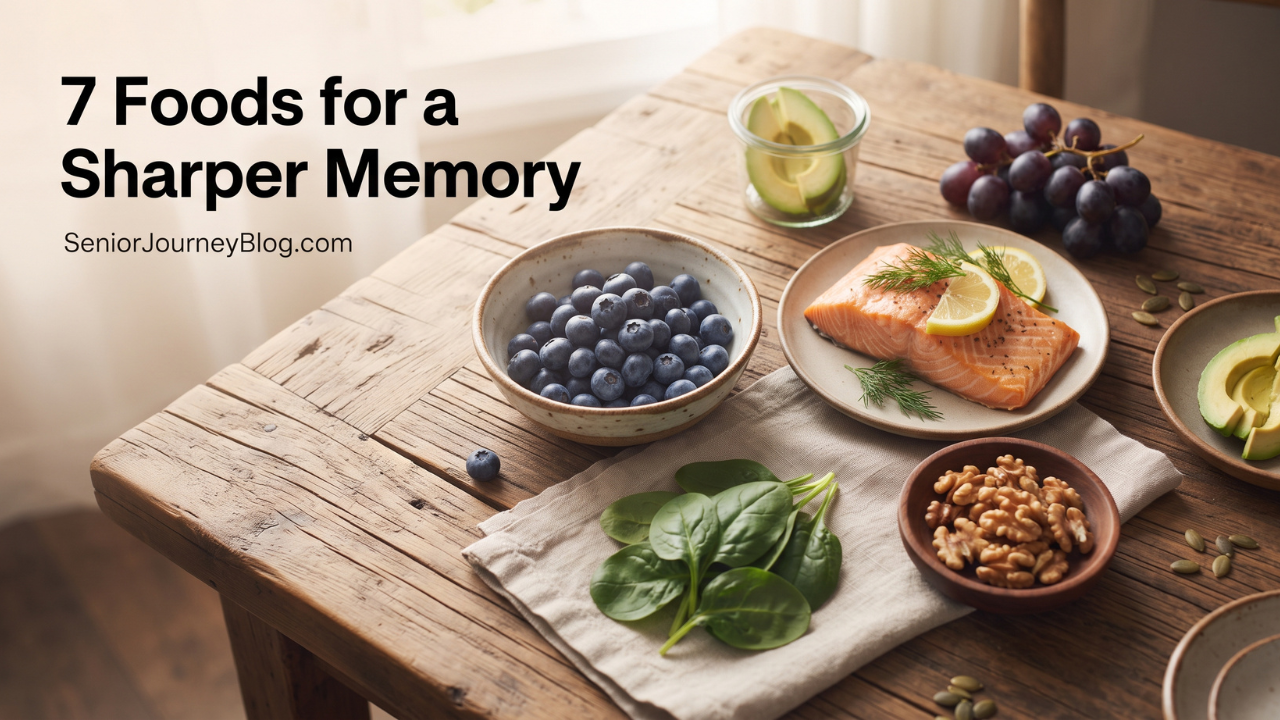
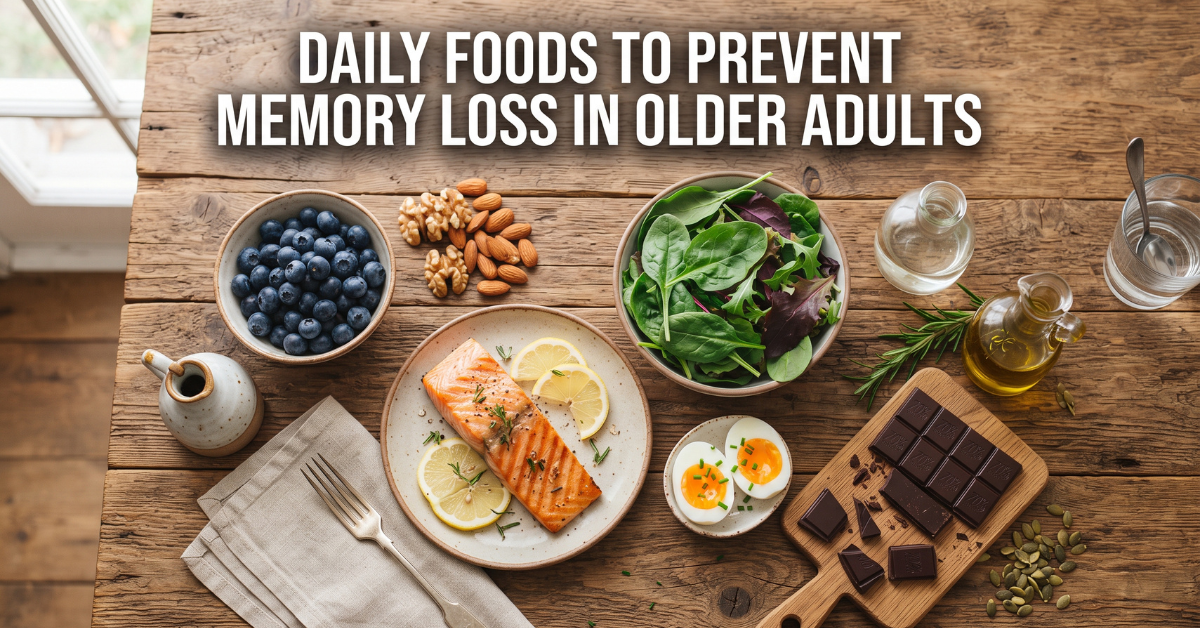
Daily Foods to Prevent Memory Loss in Older Adults: The Ultimate Guide
A warm, practical guide to eating for a sharper mind — one meal at a time.
There is a particular kind of worry that tends to arrive quietly, usually in the middle of an ordinary afternoon. You walk into a room and forget why. A familiar name sits just out of reach on the tip of your tongue. You set your keys down somewhere “safe” and spend twenty minutes retracing your steps. If any of this sounds familiar, take a breath — you are not alone, and in most cases, these small lapses are simply part of being human, especially as the years add up.
But here is the encouraging truth that doesn’t get repeated often enough: what you eat every single day has a real, measurable relationship with how your brain functions, how clearly you think, and how well you remember the people and moments that matter most to you. Your brain, much like your heart or your muscles, is a living organ that depends on fuel. Feed it well, and it tends to reward you with clarity. Neglect it, and the fog can settle in more easily.
This guide was written specifically for you — someone who wants practical, trustworthy, and genuinely useful information, not confusing medical jargon or fear-based headlines. We will walk through the foods that nutrition researchers and dietitians consistently point to as supportive of brain health in older adults, explain why they matter in plain language, and give you a concrete, step-by-step action plan you can start today. Along the way, we’ll also touch on a few practical tools — from affordable ways to stock your pantry to protecting the hard-earned nest egg you’ve spent a lifetime building — because a healthy memory doesn’t exist in isolation from a healthy, secure life.
Consider Margaret, a 72-year-old retired schoolteacher who wrote to us not long ago. She described a particular Tuesday when she stood in her own kitchen, phone in hand, trying to recall her daughter’s phone number — a number she had dialed a thousand times over the years. It rattled her more than she expected. That evening, instead of panicking, she decided to make one small change: she began adding a handful of walnuts to her breakfast and a serving of salmon to her Thursday dinners. Nothing dramatic. Just two consistent habits.
Six months later, Margaret told us she couldn’t say for certain whether her memory had measurably “improved” in a way a lab test could prove — but she felt sharper, steadier, and less anxious about the occasional slip. More importantly, she felt like she was doing something proactive, rather than simply waiting and worrying. That feeling of agency, of taking the reins on something within your control, is often just as valuable as the nutrients themselves.
Margaret’s story isn’t unique, and it isn’t magic. It reflects what decades of nutrition research have quietly been telling us: the brain responds to care, patience, and consistency, in much the same way the rest of the body does. This guide focuses on the daily foods to prevent memory loss in older adults — the ones nutrition research consistently points to.
Let’s begin at the beginning: why does food matter so much to a brain that has already lived seven, eight, or nine wonderful decades?
Why Nutrition Matters for the Aging Brain

Your brain is, by weight, one of the hungriest organs in your entire body. Even though it accounts for only about two percent of your total body weight, it consumes a remarkably large share of the energy you take in every day. It needs a steady, reliable supply of glucose for fuel, healthy fats to maintain the structure of its cells, and a long list of vitamins and minerals to keep its messaging systems — the neurotransmitters that let one brain cell “talk” to another — running smoothly.
As we age, several things change inside the body that make nutrition even more important than it was in our thirties or forties. Blood vessels can become slightly less flexible, which affects how efficiently oxygen and nutrients travel to brain tissue. The body’s ability to absorb certain vitamins, particularly B12, can decline. Chronic, low-grade inflammation — sometimes called “inflammaging” — tends to increase, and this inflammation has been linked by researchers to changes in memory and cognitive processing speed. On top of all that, oxidative stress, a kind of cellular wear-and-tear caused by unstable molecules called free radicals, accumulates over time and can damage delicate brain cells.
Here’s the good news hiding inside all of that biology: nearly every one of those risk factors can be influenced, at least in part, by what you choose to put on your plate. Certain foods are rich in antioxidants that neutralize free radicals. Others are packed with anti-inflammatory compounds. Some support healthy blood flow, and others directly supply the raw materials your brain uses to build and repair itself.
This is not about chasing a “miracle food” or following a rigid diet that makes eating feel like a chore. It is about understanding a handful of everyday, accessible foods — many of which you may already enjoy — and making sure they show up on your table consistently. Small, steady habits, repeated day after day, tend to matter more for brain health than any single perfect meal.
Normal Forgetfulness vs. Something Worth a Conversation
Before we go further, it’s worth pausing on an important distinction. Occasionally forgetting a name, misplacing an item, or blanking on a word is a normal part of aging and is not, by itself, a sign of a serious problem. The brain simply processes and retrieves information a little differently as the decades pass, and that is expected.
What deserves a conversation with your doctor is a noticeable change in pattern — repeatedly forgetting recent conversations, becoming confused about time or place, or struggling to complete familiar tasks you’ve done for years. This guide is designed to support general brain wellness through diet and lifestyle, and it is not a substitute for medical evaluation. If you or a loved one notice concerning changes, please reach out to a healthcare provider. We’ll say more about this in our disclaimer at the end of this article, but it felt important to mention it here too, right at the start.
The Gut-Brain Connection: A Newer Piece of the Puzzle
One of the more fascinating developments in nutrition science over the past decade has been growing recognition of what researchers call the “gut-brain axis” — a direct line of communication between the trillions of bacteria living in your digestive tract and your brain. This connection travels along the vagus nerve and through chemical signals, and it appears to influence everything from mood to inflammation levels throughout the body, including the brain.
A diet rich in fiber from vegetables, whole grains, nuts, and seeds — exactly the foods we’ve been discussing — helps feed beneficial gut bacteria, which in turn produce compounds that may help regulate inflammation and support healthy brain signaling. Fermented foods such as plain yogurt, kefir, and sauerkraut are also worth considering, as they introduce beneficial bacteria directly into the digestive system.
While this area of research is still evolving, the practical takeaway is reassuring and simple: many of the same foods that directly nourish brain tissue also happen to support the gut bacteria that indirectly influence brain function. There’s no need to track two separate diets — a genuinely brain-healthy way of eating naturally supports gut health as well.
Key Vitamins and Minerals Worth Knowing About
Beyond the specific foods we’ll cover in detail, a handful of individual nutrients deserve special mention because deficiencies in these areas are common among older adults and have a well-established relationship with cognitive function.
Vitamin B12: As we age, the stomach produces less of a substance called intrinsic factor, which is necessary for absorbing vitamin B12 from food. This makes B12 deficiency surprisingly common among older adults, even those eating a reasonably balanced diet, and low B12 levels have been directly linked to memory problems and cognitive difficulties. Eggs, fish, and fortified whole grains are helpful dietary sources, though some older adults require a supplement or injection under a doctor’s guidance to maintain adequate levels.
Vitamin D: Often called the “sunshine vitamin,” vitamin D receptors have been found throughout brain tissue, and low vitamin D levels have been associated in research with a higher risk of cognitive decline. Since skin becomes less efficient at producing vitamin D from sunlight with age, and many older adults spend less time outdoors, food sources like fatty fish and fortified dairy — along with supplementation when recommended by a doctor — become increasingly important.
Vitamin E: As mentioned earlier in the context of nuts and seeds, vitamin E is a powerful antioxidant that helps protect the fatty membranes of brain cells from oxidative damage. Almonds, sunflower seeds, and leafy greens are excellent dietary sources.
Antioxidant Vitamin C: Found abundantly in citrus fruits, bell peppers, and berries, vitamin C works alongside other antioxidants to help neutralize free radicals and has been studied for its potential supportive role in cognitive health, particularly when consumed as part of a diet rich in other antioxidant-containing foods.
Rather than trying to supplement each of these individually without guidance, the most reliable approach is to build a varied, colorful diet using the food groups discussed throughout this guide, and to discuss any specific concerns about deficiencies with your doctor, who can order simple blood tests to check your levels if needed.
7 Daily Foods to Prevent Memory Loss in Older Adults
None of these foods are exotic or expensive. You’ll find every single one of them at your local grocery store. The key is not novelty — it’s consistency. Let’s go through them one at a time.
1. Fatty Fish: Omega-3s for a Sharper Mind
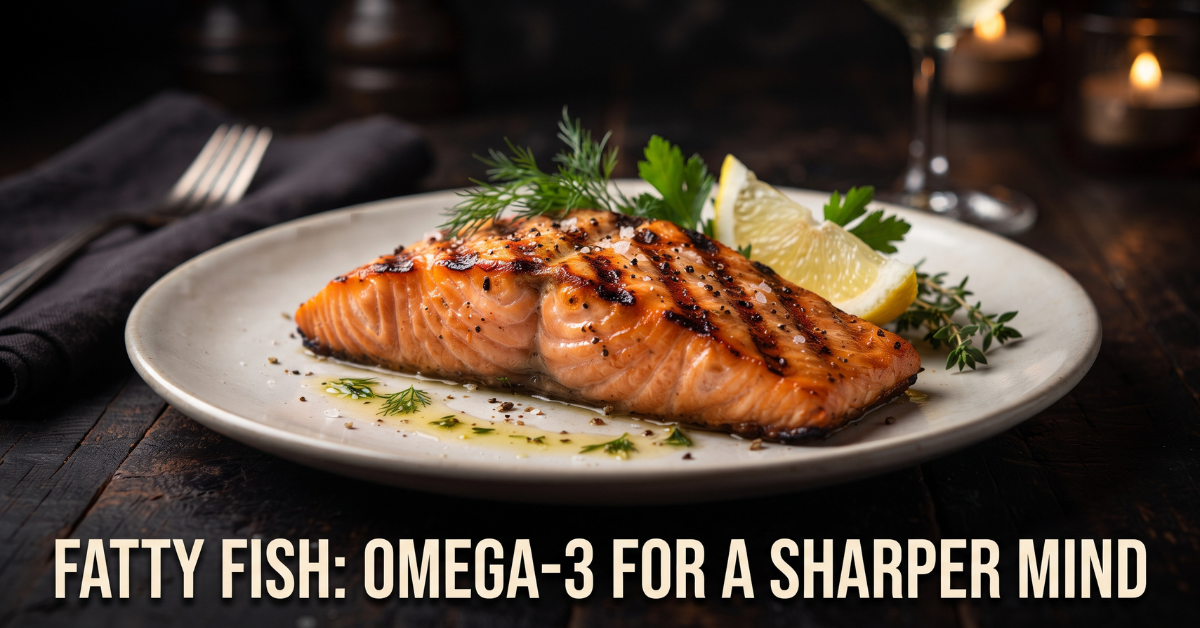
If there is one food category that nutrition scientists return to again and again when discussing brain health, it is fatty fish — salmon, mackerel, sardines, herring, and trout among them. These fish are rich in omega-3 fatty acids, particularly two specific types called DHA and EPA, which are quite literally building blocks of your brain’s cell membranes.
DHA in particular makes up a substantial portion of the fatty tissue in your brain. Think of it as part of the physical architecture that keeps brain cells flexible and able to communicate efficiently with one another. Diets that are naturally rich in omega-3s have been associated in numerous population studies with slower rates of cognitive decline and better performance on memory-related tasks among older adults.
Beyond memory specifically, omega-3 fatty acids are well known for their anti-inflammatory properties. Since chronic inflammation is one of the mechanisms believed to contribute to age-related cognitive changes, regularly including these healthy fats in your diet is one of the more evidence-supported dietary habits available to you.
How to work it into your week: Aim for two servings of fatty fish per week. A simple baked salmon fillet with lemon and herbs, a can of sardines on whole grain toast for lunch, or a small portion of grilled trout alongside vegetables are all easy, affordable ways to meet this goal without needing any special cooking skills.
If fresh fish feels intimidating or expensive, don’t overlook the canned aisle. Canned salmon and sardines are typically just as nutritious as their fresh counterparts, often more affordable, and require zero preparation skill — simply open, drain, and enjoy over a bed of greens or mixed into a simple salad with a squeeze of lemon and a drizzle of olive oil.
2. Leafy Greens: Nature’s Brain Food
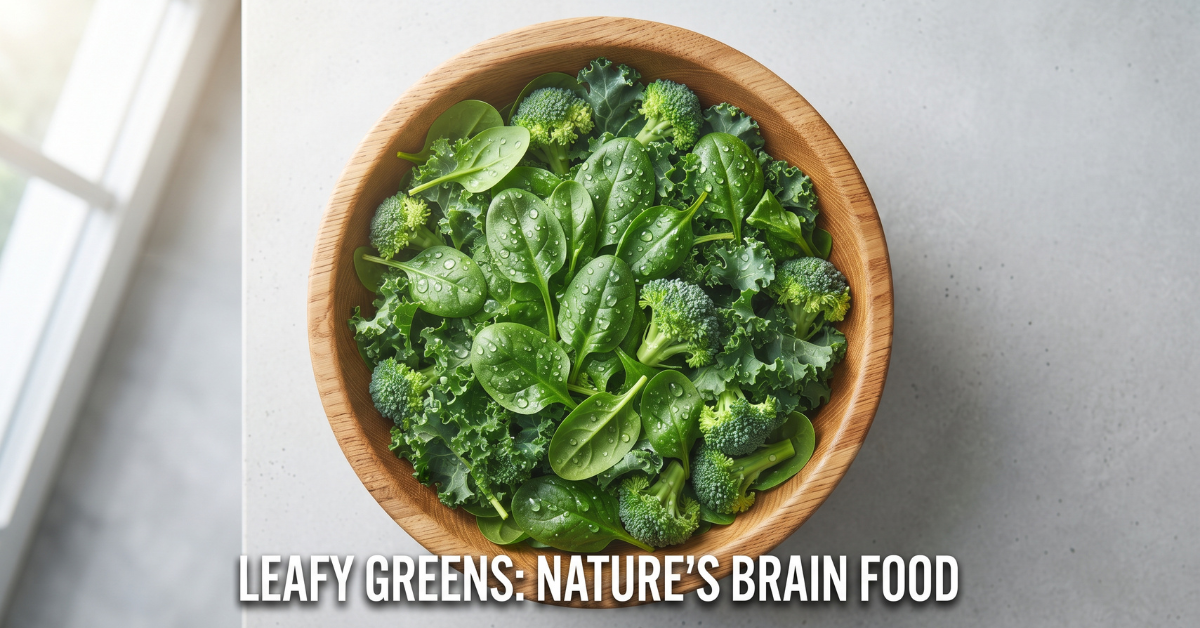
Spinach, kale, collard greens, and broccoli belong to a category researchers often refer to collectively as leafy green and cruciferous vegetables. These vegetables are dense with vitamin K, lutein, folate, and beta-carotene — a combination of nutrients that has been linked in research to a slower rate of cognitive decline compared to diets low in these vegetables.
One particularly interesting nutrient worth highlighting is folate, a B-vitamin that plays a role in regulating a compound in the blood called homocysteine. Elevated homocysteine levels have been associated with an increased risk of cognitive difficulties in older adults, and leafy greens are one of the most natural, food-based ways to help keep this compound in a healthy range.
These vegetables are also wonderfully versatile and forgiving. Unlike some “superfoods” that require special preparation, leafy greens can be tossed into a soup, wilted into a pasta dish, blended into a smoothie, or simply sautéed with a little olive oil and garlic as a side dish.
How to work it into your week: Try to include a serving of leafy greens at least five to six days per week. A handful of spinach added to your morning eggs, a side salad with dinner, or a cup of steamed kale drizzled with olive oil can each count toward this goal.
If the texture or bitterness of certain leafy greens has never appealed to you, don’t give up on the entire category just yet. Milder greens like baby spinach and Swiss chard tend to be far more palatable than heartier options like raw kale, and lightly sautéing greens with a bit of garlic and olive oil can transform their flavor entirely, making them far more enjoyable than most people expect.
3. Berries: Antioxidants That Protect Memory
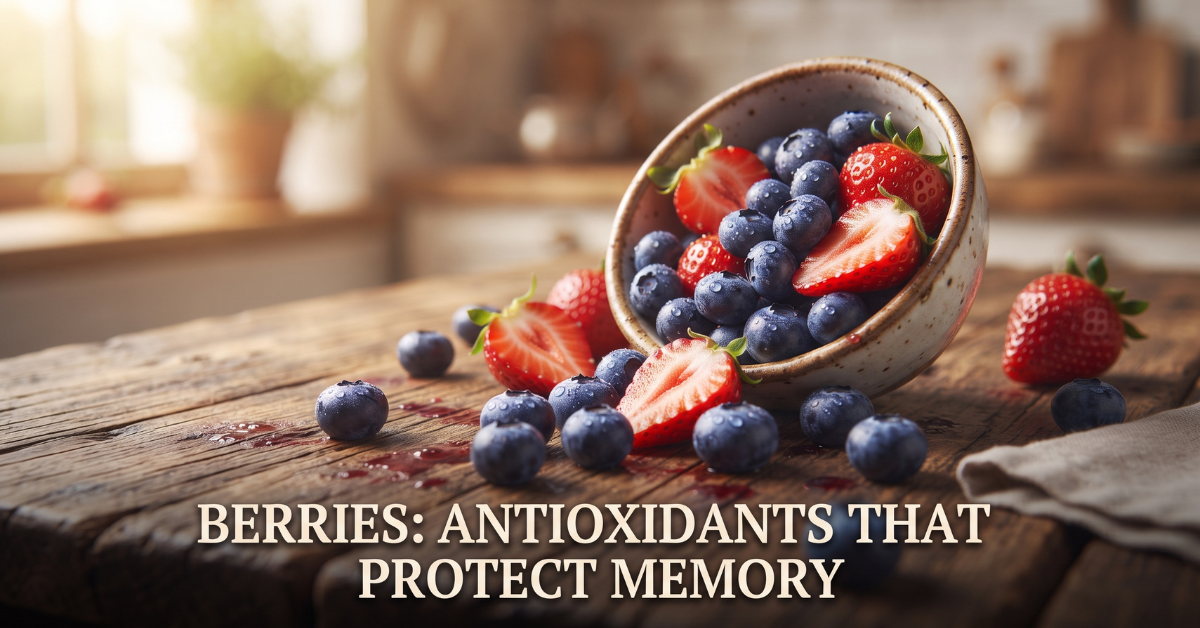
Blueberries, strawberries, blackberries, and raspberries are small, sweet, and deceptively powerful when it comes to brain health. They are rich in a class of compounds called flavonoids, which act as antioxidants — meaning they help neutralize the free radicals that contribute to cellular aging, including aging within brain tissue.
Blueberries, in particular, have been the subject of considerable research interest. Studies looking at older adults who regularly consumed blueberries have observed improvements in certain memory tasks compared to those who did not, and researchers believe this may be related to the way flavonoids support communication between brain cells and help reduce inflammation in brain tissue.
One of the loveliest things about berries is how easy they are to enjoy. They require no cooking, no preparation beyond a quick rinse, and they satisfy a sweet craving in a way that also nourishes you.
How to work it into your week: A half-cup to one cup of mixed berries a few times per week — sprinkled over oatmeal, mixed into yogurt, or simply eaten by the handful as a snack — is a simple, enjoyable habit to build.
4. Nuts and Seeds: Small Bites, Big Brain Benefits
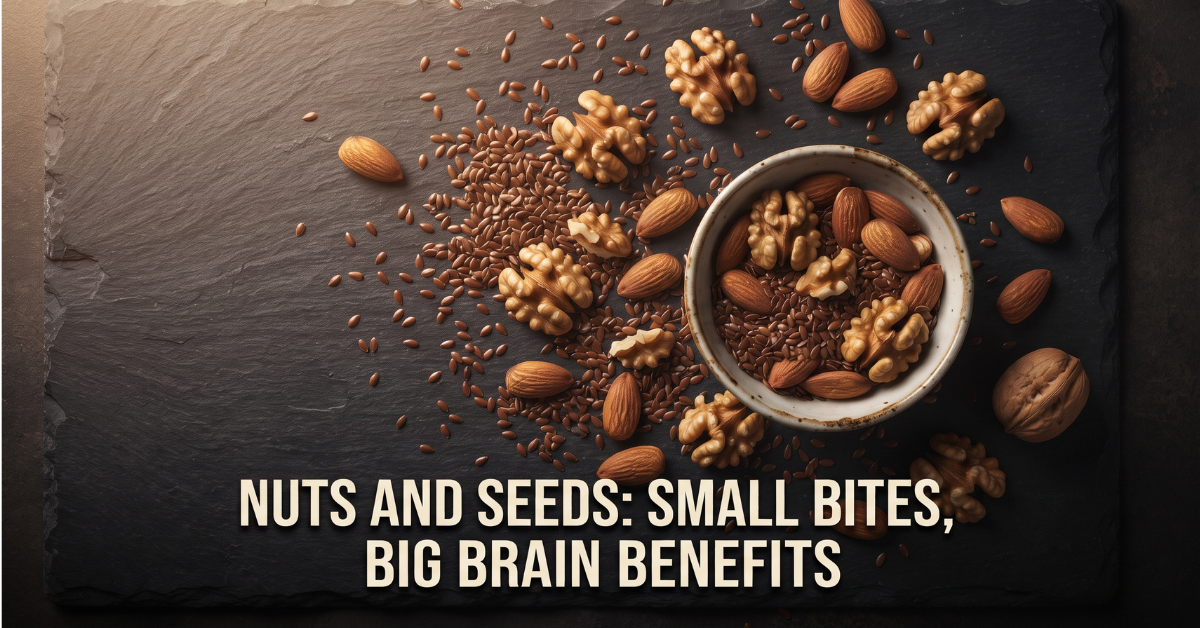
Walnuts, almonds, flaxseeds, and chia seeds pack an impressive nutritional punch into a very small package. Walnuts, in particular, stand out — they are one of the few plant-based sources of the same type of omega-3 fatty acid family found in fish, and some research has even noted that a walnut’s wrinkled shape bears a passing resemblance to the brain it may help support.
Nuts and seeds are also excellent sources of vitamin E, an antioxidant that has been studied for its potential role in protecting brain cells from oxidative stress, as well as healthy unsaturated fats that support overall cardiovascular health — and what’s good for your heart tends to be good for your brain, since a healthy circulatory system means better blood flow and oxygen delivery to brain tissue.
A Mineral Worth Knowing About: Magnesium
While we’re on the subject of nuts and seeds, it’s worth pausing on one specific mineral they happen to be rich in: magnesium. Magnesium plays a supporting role in hundreds of processes throughout the body, including nerve function and the regulation of neurotransmitters — the chemical messengers that allow brain cells to communicate.
Many adults, particularly older adults, don’t consistently get sufficient magnesium through diet alone, whether due to changes in absorption, medication interactions, or simply not eating enough magnesium-rich foods on a regular basis. For those looking to be more intentional about this particular nutrient, some choose to explore magnesium supplementation as a complement to a nut-and-seed-rich diet, ideally in a form that is well absorbed by the body.
🧠 A Note on Magnesium Supplementation
Some forms of magnesium are absorbed more efficiently by the body than others. Magnesium L-Threonate is one form that has drawn particular interest for its ability to cross the blood-brain barrier. If you’re curious about exploring a high-quality, well-reviewed option, Life Extension’s Neuro-Mag Magnesium L-Threonate is a widely used vegetarian-capsule supplement worth discussing with your doctor.
Learn More About Neuro-Mag →This is an affiliate link. As always, please consult your physician before starting any new supplement, especially if you take other medications.
How to work it into your week: A small handful of walnuts or almonds as a mid-afternoon snack, a tablespoon of ground flaxseed stirred into oatmeal or yogurt, or chia seeds soaked overnight in milk for a simple pudding are all easy ways to build this habit.
5. Whole Grains: Steady Fuel for the Aging Brain
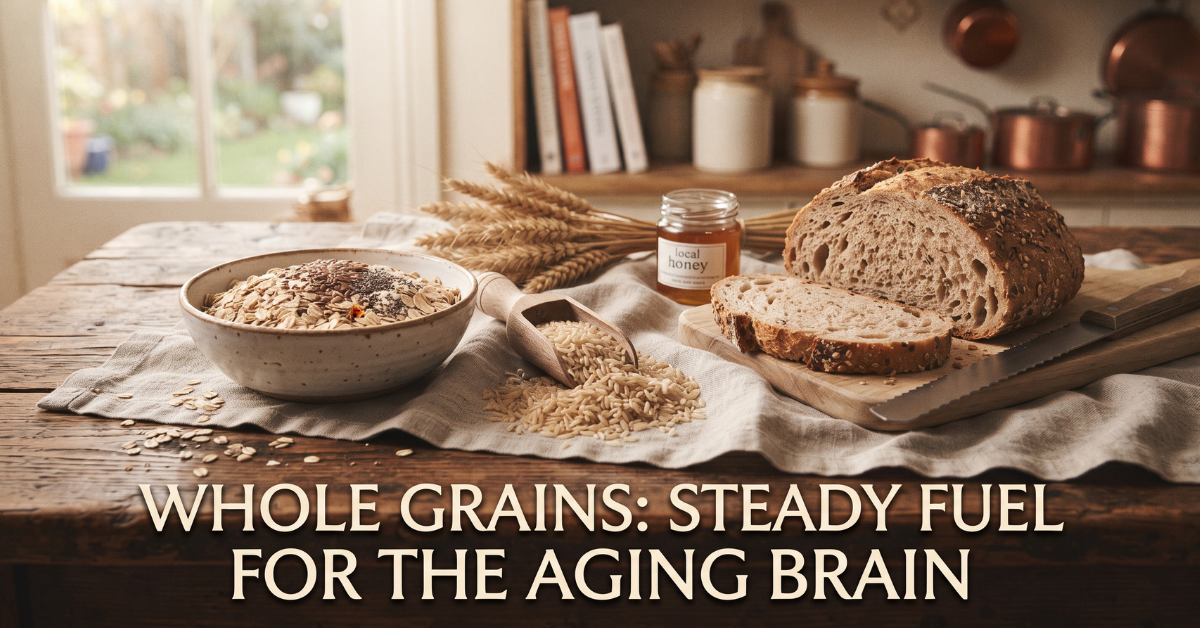
Your brain runs primarily on glucose, and the way that glucose is delivered to your bloodstream matters. Whole grains — oats, brown rice, quinoa, barley, and whole wheat — release their sugars slowly and steadily, thanks to their fiber content, rather than causing the rapid spikes and crashes associated with refined, processed carbohydrates like white bread or sugary cereals.
This matters for brain health because sharp swings in blood sugar can affect concentration, mood, and energy levels throughout the day. A steadier supply of glucose means a steadier supply of fuel for the brain cells that are working hardest — the ones responsible for memory formation and retrieval.
Whole grains also contribute to overall cardiovascular health by supporting healthy cholesterol levels, and, as mentioned earlier, cardiovascular health and brain health are closely intertwined. What’s good for the arteries feeding your heart is generally good for the arteries feeding your brain as well.
How to work it into your week: Swapping white rice for brown rice, choosing steel-cut or rolled oats for breakfast a few times a week, and selecting whole grain bread instead of white bread are simple substitutions that add up meaningfully over time.
When shopping, look for the words “100% whole grain” or “whole wheat” listed as the very first ingredient on the label, rather than relying on marketing terms like “multigrain” or “made with whole grains,” which can sometimes be misleading and contain only a small fraction of actual whole grain content.
6. Olive Oil: The Mediterranean Secret to Cognitive Health
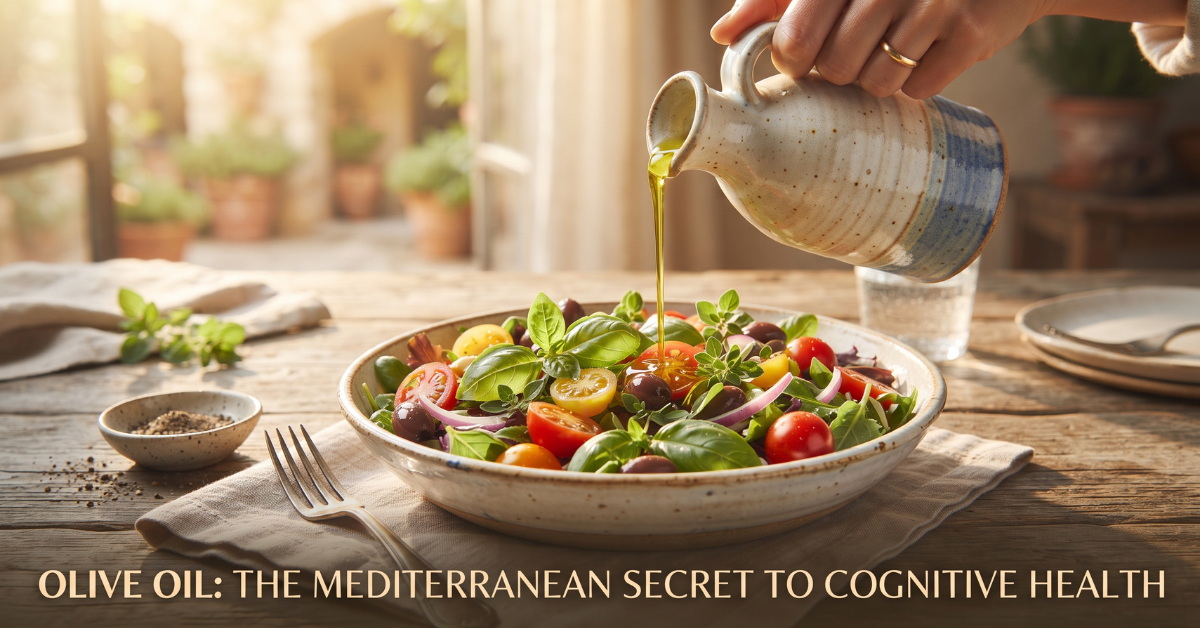
Extra virgin olive oil is one of the defining ingredients of the Mediterranean diet, a dietary pattern that has been studied more extensively in relation to brain health than perhaps any other. Populations that follow Mediterranean-style eating patterns — rich in olive oil, vegetables, fish, and whole grains, and lower in red meat and processed foods — have consistently shown lower rates of cognitive decline in long-term observational studies.
Olive oil itself contains monounsaturated fats, which support healthy cholesterol levels, along with polyphenols — plant compounds with notable antioxidant and anti-inflammatory properties. Some researchers believe these polyphenols may help protect brain cells from the kind of oxidative damage that accumulates with age.
What makes olive oil especially practical is that it doesn’t require you to overhaul your entire diet. It’s a simple substitution — using it in place of butter, margarine, or other cooking oils — that layers naturally into meals you likely already prepare.
How to work it into your week: Use extra virgin olive oil as your primary cooking fat, drizzle it generously over salads and cooked vegetables, and consider dipping whole grain bread in it with a bit of herbs instead of reaching for butter.
It’s worth mentioning that researchers eventually combined the Mediterranean diet with another well-studied approach called the DASH diet (designed to support healthy blood pressure) to create what’s now known as the MIND diet — an eating pattern specifically designed with brain health in mind. Several of the foods emphasized throughout this very guide, including leafy greens, berries, nuts, fish, and olive oil, form the backbone of the MIND diet. Long-term observational research on older adults following this eating pattern has reported notably slower rates of cognitive decline compared to those following more typical Western dietary patterns rich in fried foods, red meat, and refined sugar.
7. Eggs: A Natural Source of Brain-Boosting Choline
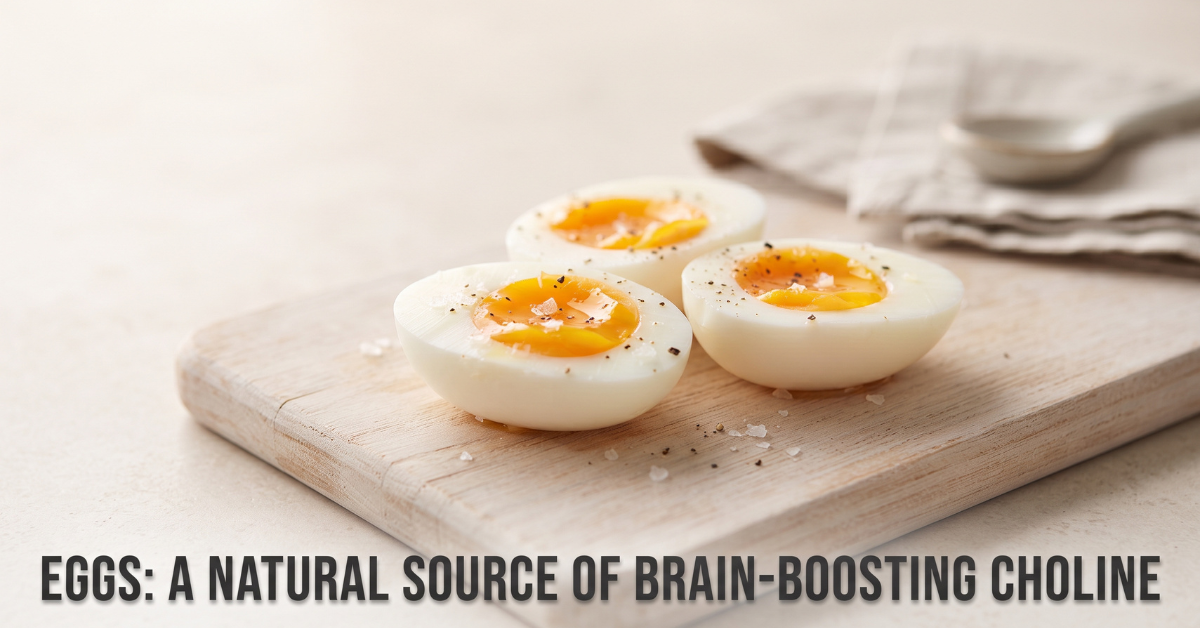
Eggs have gone through quite a reputation shift over the past few decades, but current nutritional science generally views them as a valuable, affordable source of high-quality protein and an important nutrient called choline. Choline is used by the body to produce acetylcholine, a neurotransmitter directly involved in memory and learning.
Many older adults don’t consume enough choline through diet, simply because it isn’t a nutrient that gets much public attention compared to, say, calcium or vitamin D. Eggs are one of the most concentrated and accessible dietary sources available, with the choline concentrated primarily in the yolk.
Eggs also contain lutein and zeaxanthin, antioxidants more commonly associated with eye health but which some researchers have also studied in relation to cognitive function, given their presence in brain tissue as well as the retina.
How to work it into your week: One egg a day, prepared however you enjoy — scrambled, soft-boiled, poached, or as part of a vegetable omelet — is a reasonable and well-supported habit for most healthy older adults. As always, if you have specific cholesterol concerns, discuss your individual intake with your doctor.
A Bonus Habit: Don’t Forget to Hydrate
Here is a factor that rarely makes it onto any “top foods” list, yet quietly affects memory and concentration more than most people realize: plain water. The brain is composed of a remarkably high percentage of water, and even mild dehydration — a level many older adults experience without even noticing thirst cues, which tend to weaken with age — has been shown in research to affect short-term memory, attention, and mental clarity.
Many seniors unintentionally under-drink throughout the day, sometimes out of habit, sometimes due to concerns about frequent bathroom trips, and sometimes simply because the sensation of thirst becomes less reliable over time. Unfortunately, by the time you actually feel thirsty, mild dehydration may have already begun to affect your concentration.
How to work it into your week: A helpful general guideline is six to eight cups of fluid per day, adjusted for your individual health needs and any guidance from your doctor. Herbal tea, water infused with lemon or cucumber, and water-rich foods like cucumbers, oranges, and watermelon can all help you reach this goal, especially if plain water alone feels unappealing.
Foods and Habits Worth Limiting
Just as important as knowing what to add to your plate is understanding what might be worth gently pulling back on. None of this requires perfection or an all-or-nothing mindset — small reductions, sustained over time, tend to matter far more than short bursts of strict restriction.
Added Sugars and Refined Carbohydrates
Diets consistently high in added sugars and refined carbohydrates — white bread, pastries, sugary drinks, and heavily processed snack foods — have been associated in research with higher rates of inflammation and, over the long term, less favorable outcomes for memory and cognitive processing speed. This doesn’t mean dessert is forbidden; it simply means treating sugary foods as an occasional pleasure rather than a daily habit.
Excess Sodium
High sodium intake is closely tied to blood pressure, and consistently elevated blood pressure has a well-documented relationship with vascular health throughout the body, including the small blood vessels that supply the brain. Choosing fresh or frozen foods over heavily processed and canned options, and seasoning meals with herbs and spices instead of salt, are simple, sustainable swaps.
Excessive Alcohol Consumption
Moderate alcohol consumption affects everyone differently, and current guidance generally suggests that if you already drink, doing so in moderation — generally understood as up to one drink per day for women and up to two for men, though individual health circumstances vary — is a reasonable approach for most healthy adults. Heavier, sustained alcohol use, however, has been consistently linked to accelerated cognitive decline and should be discussed openly with your doctor.
Ultra-Processed Foods
Packaged snack foods, processed meats, and pre-made meals loaded with preservatives, artificial additives, and low-quality fats have increasingly been studied for their relationship with cognitive health, generally showing less favorable associations compared to whole, minimally processed foods. As a simple guiding principle, foods that resemble their natural form — a piece of fruit, a fillet of fish, a handful of nuts — tend to be better choices than foods that come in a box with a long ingredient list.
A Simple 3-Day Brain-Healthy Meal Plan
Sometimes the easiest way to put all of this information into practice is to see it laid out in an actual, real-world plan. Below is a simple three-day sample menu that incorporates the seven brain-healthy foods discussed throughout this guide. Feel free to adjust portion sizes and substitute ingredients based on your personal taste and any dietary restrictions.
| Day | Breakfast | Lunch | Dinner |
|---|---|---|---|
| Day 1 | Oatmeal topped with mixed berries and a spoonful of chia seeds | Spinach salad with walnuts, olive oil dressing, and a soft-boiled egg | Baked salmon with brown rice and steamed broccoli |
| Day 2 | Scrambled eggs with sautéed spinach, whole grain toast with olive oil | Whole grain wrap with canned sardines, mixed greens, and lemon | Grilled trout, quinoa, and a side salad with olive oil |
| Day 3 | Greek yogurt with blueberries, almonds, and a drizzle of honey | Barley and kale soup with a side of whole grain bread | Roasted chicken with olive oil–tossed vegetables and brown rice |
Notice that no single meal is complicated or requires rare ingredients. The goal isn’t a dramatic transformation of your kitchen — it’s a gentle, sustainable shift in emphasis toward foods that consistently support brain health.
Your Printable Brain-Healthy Grocery List
To make your next shopping trip as simple as possible, here is a condensed list organized by category. Consider printing this section or saving it to your phone before you head to the store.
Proteins: Salmon, sardines, trout, mackerel, eggs, chicken breast, plain Greek yogurt
Produce: Spinach, kale, broccoli, blueberries, strawberries, raspberries, oranges, cucumbers
Whole Grains: Steel-cut oats, brown rice, quinoa, barley, whole grain bread
Nuts, Seeds & Legumes: Walnuts, almonds, flaxseeds, chia seeds, lentils, chickpeas
Fats & Pantry Staples: Extra virgin olive oil, canned fish, low-sodium broth, herbal tea
Extras Worth Considering: Fermented foods like kefir or sauerkraut, fortified plant milk for added vitamin D
You’ll notice that frozen versions of many of these items — particularly berries, spinach, and salmon — are widely available, typically less expensive, and just as nutritious as their fresh counterparts since they’re usually frozen at peak ripeness.
Beyond Food: Protecting a Healthy Mind From Everyday Stress
Here is something that doesn’t get discussed nearly enough in articles about brain health: chronic stress and anxiety are genuinely harmful to memory and cognitive function, sometimes just as much as a poor diet. Elevated stress hormones, sustained over long periods, have been linked in research to changes in the hippocampus — the part of the brain most closely associated with forming new memories.
One of the most common, and often underestimated, sources of chronic stress for older adults today isn’t dietary at all. It’s digital. Scam calls, phishing emails, and fraudulent websites specifically target seniors, and the resulting anxiety — the constant low hum of “is this safe? is that legitimate?” — takes a real toll on peace of mind.
The Hidden Connection Between Financial Security and Peace of Mind
Consider this sobering reality: a significant majority of scam and phishing victims are seniors. It’s not because older adults are less capable — quite the opposite — but because this generation is often the least familiar with the constantly shifting tactics used by online criminals, and unfortunately, a lifetime of carefully saved pension funds and retirement income makes for an especially attractive target.
Every time you connect to public Wi-Fi at a coffee shop, an airport, or a hotel while using your phone, tablet, or laptop, you may be exposing your personal information to people actively looking for exactly that kind of opportunity. This is precisely the kind of chronic, low-grade worry that chips away at mental clarity over time.
🔒 Protect the Nest Egg You’ve Worked a Lifetime to Build
More than 70% of scam and phishing victims are seniors — making this the age group most exposed to online and mobile security threats. That steady monthly pension or retirement deposit sitting in your account can become exactly the kind of target these criminals are looking for. Your phone, laptop, and computer should never be exposed to these bad actors while you’re out in public. A trusted VPN can help stand guard over the assets you’ve spent a lifetime building.
Protect Your Connection with NordVPN →Why does this belong in an article about food and memory? Because true brain health is holistic. A mind that feels safe, secure, and unburdened by financial anxiety has more room to focus on the good things — family, hobbies, and yes, remembering where you put your reading glasses.
From a biological standpoint, chronic worry keeps the body’s stress hormone, cortisol, elevated for extended periods. In short bursts, cortisol is a helpful, even life-saving response. But when it remains elevated day after day — the kind of sustained background anxiety that comes from constantly wondering whether that email, text message, or phone call is a scam — it can interfere with the hippocampus’s ability to form and retrieve memories efficiently. In a very real sense, peace of mind is a nutrient too, and protecting it deserves just as much intention as protecting your diet.
Making Brain-Healthy Eating Affordable
One question we hear often from readers is a very practical one: “This all sounds wonderful, but salmon and blueberries aren’t always cheap. How do I actually afford to eat this way on a fixed income?”
It’s a fair and important concern. The good news is that if you’re enrolled in a Medicare Advantage plan, there’s a strong chance your plan includes an Over-the-Counter (OTC) benefit — a quarterly or monthly credit specifically intended to help you purchase health-related products, including many pantry staples, vitamins, and wellness items, often at little to no out-of-pocket cost.
The challenge many seniors run into is simply not knowing how to easily locate, track, and redeem these benefits before they expire unused. This is exactly the gap that dedicated OTC benefit platforms were built to close.
🛒 Don’t Let Your OTC Benefits Go to Waste
If you’re a Medicare Advantage member, your plan may already include an OTC allowance you haven’t fully used. MyOTC is a simple platform that helps you easily browse, order, and redeem your pharmacy and everyday health product credits — connecting you to the benefits your plan already provides, without the runaround.
Check Your OTC Benefits →Beyond OTC credits, a few simple shopping strategies can stretch your grocery budget further: buying frozen berries and vegetables (which are typically just as nutritious as fresh, and far less expensive), purchasing canned fish like sardines and salmon, and buying nuts and whole grains in bulk when possible.
When Diet Alone Isn’t Quite Enough: Considering Cognitive Support Supplements
For many people, a thoughtfully planned diet provides the vast majority of what the brain needs. But let’s be honest with one another — real life gets busy. Some weeks, meal planning falls by the wayside, appetite naturally decreases with age, and getting every nutrient from food alone isn’t always realistic. This is often where a well-formulated supplement can serve as a helpful complement, not a replacement, for good nutrition.
If you’ve ever paused mid-sentence, unable to recall a name that was right there a moment ago, or found yourself standing in a room forgetting what you came in for, you already know that unsettling, foggy feeling. It’s frustrating, and it’s also incredibly common.
💡 Wake Up Your Brain — Say Goodbye to “Where Did I Put That?”
Have you hesitated because a name just wouldn’t come to you? Forgotten what you were about to do just seconds ago? It might be time to start your day clearer with CogniFort+.
Formulated with an advanced Brain Signal Support formula, CogniFort+ is designed to care for your cognitive wellness across three key areas:
- Sharp Memory — Don’t let important moments slip away.
- Clear Focus — Trade that foggy feeling for clean, comfortable clarity.
- Nerve Support — Help maintain and protect a strong, healthy neural network.
With just two capsules a day, discover the everyday vitality of a clearer mind. Experience CogniFort+ for yourself.
Discover CogniFort+ →These statements have not been evaluated by the Food and Drug Administration. This product is not intended to diagnose, treat, cure, or prevent any disease. Individual results may vary. Please consult your physician before beginning any new supplement, especially if you are pregnant, nursing, or taking prescription medication.
Whether or not you choose to explore a supplement like this, the most important takeaway is consistency — of diet, of habits, and of paying attention to how you feel day to day.
Lifestyle Habits That Work Hand-in-Hand With Diet
Food is a powerful lever, but it doesn’t operate in isolation. Some of the most compelling research on brain health in older adults points to a combination of factors working together — and leaving any one of them out tends to limit the benefits of the others. Let’s briefly walk through the habits that pair naturally with a brain-healthy diet.
Quality Sleep
During deep sleep, the brain undergoes a kind of nightly housekeeping process, clearing out metabolic waste products that accumulate during waking hours. Poor or insufficient sleep has been consistently linked to next-day difficulties with memory consolidation — the process by which short-term memories are converted into longer-lasting ones. Aiming for seven to eight hours of consistent, quality sleep is one of the most underrated tools for supporting memory.
Regular Physical Movement
You don’t need an intense workout regimen to support your brain through movement. Research on older adults has repeatedly shown that even moderate, regular physical activity — brisk walking, swimming, gardening, or gentle strength training — is associated with improved blood flow to the brain and better performance on memory-related tasks. Aim for at least 150 minutes of moderate activity per week, spread across several days, and always check with your doctor before starting a new exercise routine.
Social Connection
Loneliness and social isolation have been identified in a growing body of research as risk factors for cognitive decline, while regular social engagement — conversations, shared meals, group activities, volunteering — appears to offer a protective effect. Consider this one more reason to make that weekly coffee date with a friend or that phone call with your grandchildren a non-negotiable part of your routine.
Community centers, local libraries, and senior centers often host low-cost or free group activities specifically designed for this age group, from book clubs to gentle exercise classes to shared cooking demonstrations. Combining social connection with a brain-healthy activity, such as a group cooking class featuring some of the foods covered in this guide, offers a wonderful two-for-one benefit.
Ongoing Mental Stimulation
Just as muscles benefit from regular use, the brain appears to benefit from being consistently challenged. Reading, puzzles, learning a new skill or language, playing a musical instrument, or even trying a new recipe from this guide all provide the kind of novel mental engagement that researchers believe helps build what’s sometimes called “cognitive reserve” — a buffer of resilience that may help the brain better withstand age-related changes.
Interestingly, the word “novel” carries real weight here. Repeating a familiar crossword puzzle every day offers less benefit than occasionally challenging yourself with something genuinely new and slightly outside your comfort zone — a new hobby, an unfamiliar cuisine to cook, or a skill you always meant to pick up. Novelty appears to be what drives the brain to form new neural connections most actively.
Common Myths About Memory and Aging
Before we move to your action plan, let’s clear up a few misconceptions that tend to circulate widely and can create unnecessary worry.
Myth: “Serious Memory Loss Is an Unavoidable Part of Getting Older”
While some mild slowing in processing speed and occasional forgetfulness is common with age, significant memory loss that interferes with daily life is not considered a normal or inevitable part of aging. It’s a distinct concern that deserves medical attention, not something to simply accept as “just getting older.”
Myth: “Brain Games and Puzzle Apps Alone Will Prevent Memory Loss”
While mentally stimulating activities are genuinely valuable, research suggests they work best as one piece of a broader lifestyle approach rather than a standalone solution. Pairing mental stimulation with good nutrition, physical activity, quality sleep, and social connection appears to offer far more benefit than any single strategy on its own.
Myth: “It’s Too Late to Make a Difference at My Age”
This is perhaps the most important myth to dispel. Research on brain health consistently shows that it is never too late to adopt beneficial habits. Studies involving older adults who made dietary and lifestyle changes later in life have shown measurable improvements in various markers of cognitive health, reinforcing that the brain retains a meaningful capacity for positive change at any age.
Special Considerations for Common Health Conditions
Every reader arrives at this guide with a unique health history, and it’s worth briefly addressing how a few common conditions might shape the way you apply this information.
If You Manage Diabetes
Many of the foods highlighted in this guide — leafy greens, nuts, fatty fish, and whole grains — are naturally well-suited to blood sugar management, thanks to their fiber, healthy fat, and protein content, all of which slow the absorption of sugar into the bloodstream. Berries, while naturally sweet, are relatively low on the glycemic index compared to many other fruits, making them a reasonable choice in moderate portions. As always, work with your doctor or a registered dietitian to fit these recommendations within your personalized meal plan.
If You Manage High Blood Pressure
The emphasis on reducing sodium, increasing potassium-rich vegetables, and favoring olive oil over saturated fats aligns closely with dietary patterns already recommended for blood pressure management, such as the well-known DASH diet. The overlap between heart-healthy and brain-healthy eating is not a coincidence — both rely on similar principles of supporting healthy blood vessels throughout the body.
If You Take Blood Thinners
Certain foods and supplements discussed in this guide, particularly those rich in vitamin K (like leafy greens) or omega-3 fatty acids in high doses, can interact with blood-thinning medications such as warfarin. This doesn’t mean avoiding these foods altogether, but it does mean keeping your intake relatively consistent from week to week and discussing any significant dietary changes with the doctor managing your medication.
If You Have Difficulty Chewing or Swallowing
Many of the foods in this guide can be adapted for easier eating. Fish can be flaked and softened in sauces, leafy greens can be cooked until tender or blended into soups, and nuts can be ground into butters or finely chopped and stirred into oatmeal or yogurt, preserving their nutritional benefits in a texture that’s easier and safer to manage.
How to Talk With Your Doctor About Memory Concerns
For some readers, this guide may raise a question that feels a little harder to voice out loud: “What if my memory changes are more than just normal aging?” Bringing this up with a doctor can feel intimidating, but preparing ahead of time can make the conversation much more productive and far less stressful.
Keep a Simple Symptom Journal
For a week or two before your appointment, jot down specific examples of memory lapses — what happened, how often, and whether they interfered with a task. Specific examples (“I forgot my neighbor’s name three times this month” rather than “my memory feels bad”) give your doctor much more useful information to work with.
Bring a Trusted Companion
Consider bringing a spouse, adult child, or close friend to the appointment. They may notice patterns you haven’t, and having a second set of ears listening to the doctor’s guidance can be genuinely helpful, especially if there’s a lot of information to absorb.
List Your Current Medications and Supplements
Certain medications and combinations of supplements can contribute to memory difficulties as a side effect. Bringing a complete, updated list — including over-the-counter products and supplements — helps your doctor rule out or identify this as a contributing factor.
Ask About a Baseline Cognitive Screening
Simple, non-invasive cognitive screening tools can be administered right in a doctor’s office in a matter of minutes. These screenings aren’t diagnostic on their own, but they can establish a helpful baseline and identify whether further evaluation is warranted. There is no reason to feel embarrassed about asking for one — it’s a routine, valuable part of proactive health care for older adults.
Remember: raising a concern early, even if it turns out to be nothing serious, is always the right choice. Many conditions that affect memory — including some vitamin deficiencies, thyroid imbalances, and medication side effects — are entirely treatable once identified.
Your 5-Step Action Plan to Protect Your Memory, Starting Today
Reading about brain-healthy foods is one thing. Actually building new habits is another. Here is a simple, realistic action plan you can start this week, broken into five manageable steps.
Step 1: Do a Quick Pantry and Fridge Audit
Before your next grocery trip, take five minutes to look through what you already have. Do you have any nuts, whole grains, or canned fish on hand? Is there room in the freezer for a bag of frozen berries or spinach? Knowing your starting point makes the next step much easier.
Step 2: Build One “Brain Plate” Per Day
Rather than overhauling every meal, commit to building just one meal a day — lunch or dinner — that includes at least three of the seven foods covered in this guide. For example: baked salmon (fatty fish), a side of sautéed spinach (leafy greens), and a drizzle of olive oil over both. That’s already three boxes checked in a single, simple plate.
Step 3: Stock Convenient, Grab-and-Go Snacks
Keep a small container of mixed nuts and berries on your counter or in your bag. When hunger strikes between meals, having a brain-healthy option within arm’s reach makes it far more likely you’ll reach for that instead of processed snacks.
Step 4: Review Your Benefits and Budget
Take fifteen minutes this week to check whether your Medicare Advantage plan includes an unused OTC benefit, and make a simple list of pantry staples you could stock up on using that credit. This single step can meaningfully reduce the financial pressure of eating well.
Step 5: Protect Your Peace of Mind
Set a reminder to review your digital security habits, especially if you frequently use public Wi-Fi. A secure connection isn’t just a technical detail — it’s one less thing weighing on your mind, which is its own form of brain health.

A Warm Closing Thought
To recap the daily foods to prevent memory loss in older adults we’ve covered — think fish, greens, berries, nuts, and olive oil as your daily foundation. Memory is more than a biological function — it’s the thread that connects you to your grandchildren’s laughter, your favorite recipes passed down through generations, the songs that shaped your youth, and the countless small, precious moments that make up a life well lived. Protecting it isn’t about chasing perfection. It’s about showing up, meal after meal, day after day, with small, consistent choices that add up to something meaningful.
You don’t need to change everything overnight. Start with one plate. One snack. One small, deliberate choice today. That is more than enough to begin.
Years from now, we hope you look back on this ordinary day — the day you read one more article about nutrition and memory — as the quiet turning point where you decided to be a little more intentional about caring for the mind that has carried you through so much already. Your brain has stored decades of birthdays, holidays, first days of school, quiet mornings, and hard-won victories. It deserves to be treated with the same care and devotion you’ve shown everyone and everything you love throughout your life.
If you enjoyed this guide, we’d love for you to join our community over on the SeoulcastUSA YouTube channel, where we share warm, practical video guides on health, lifestyle, and everything that matters to living your best years yet. We’d be honored to have you along for the journey.
Health Disclaimer: This article is intended for general educational and informational purposes only and does not constitute medical advice. The information provided should not be used to diagnose, treat, cure, or prevent any disease, and is not a substitute for professional medical consultation, diagnosis, or treatment. Always seek the advice of your physician or another qualified healthcare provider with any questions you may have regarding a medical condition, memory concerns, or before starting any new diet, supplement, or exercise program. Some links in this article are affiliate links, meaning SeniorJourneyBlog may earn a small commission at no additional cost to you if you choose to make a purchase.
### Recommended Tags
Brain Health, Memory Loss Prevention, Senior Nutrition, Healthy Aging, Cognitive Wellness
💡 Frequently Asked Questions (FAQ)
Q1: Can changing my diet really reverse memory loss?
A healthy, brain-supportive diet is best understood as a way to support long-term brain health and potentially slow the rate of age-related cognitive changes, rather than a way to reverse memory loss that has already occurred. If you are experiencing noticeable memory changes, it’s important to speak with a healthcare provider for a proper evaluation, as diet is one piece of a much larger picture that includes sleep, physical activity, social connection, and medical care.
Q2: Is it safe to take a magnesium or brain-support supplement alongside my regular medications?
Many supplements, including magnesium and other cognitive support formulas, can interact with prescription medications, particularly blood pressure medications, diuretics, and certain antibiotics. It is essential to review any new supplement with your doctor or pharmacist before beginning it, especially if you manage a chronic condition or take multiple medications.
Q3: How much fish is actually safe to eat each week, given concerns about mercury?
For most healthy older adults, two servings of low-mercury fatty fish per week — such as salmon, sardines, or trout — is generally considered a safe and beneficial amount. Larger predatory fish like swordfish or king mackerel tend to carry higher mercury levels and are typically recommended in smaller amounts or less frequently. If you have specific health concerns, your doctor or a registered dietitian can help tailor recommendations to your situation.
Q4: What are the warning signs that memory changes might be more serious than normal aging?
Warning signs that warrant a medical evaluation include difficulty completing familiar tasks, becoming confused about time or place, trouble following conversations, misplacing items in unusual locations, and noticeable changes in mood or judgment. Occasional forgetfulness, on its own, is typically a normal part of aging, but any persistent pattern of change should be discussed with a healthcare provider promptly.
Q5: How can I use my Medicare Advantage OTC benefit to buy brain-healthy foods and supplements?
Most Medicare Advantage OTC benefits can be used toward a range of health-related items, which may include vitamins, supplements, and certain pantry or wellness products, depending on your specific plan’s approved catalog. Platforms designed to help you manage this benefit can make it easier to see exactly what’s covered and ensure your quarterly or monthly credit doesn’t go unused.
Q6: Why does the article mention online security in a piece about memory and nutrition?
Chronic stress, including the anxiety caused by scam attempts and financial fraud, has been linked in research to changes in brain regions involved in memory. Because seniors are disproportionately targeted by online scams, protecting your digital security is considered part of a holistic approach to reducing chronic stress and supporting overall cognitive well-being.
🌿 Weekly wellness, health & beauty insights — straight to your inbox
Free subscription · Cancel anytime