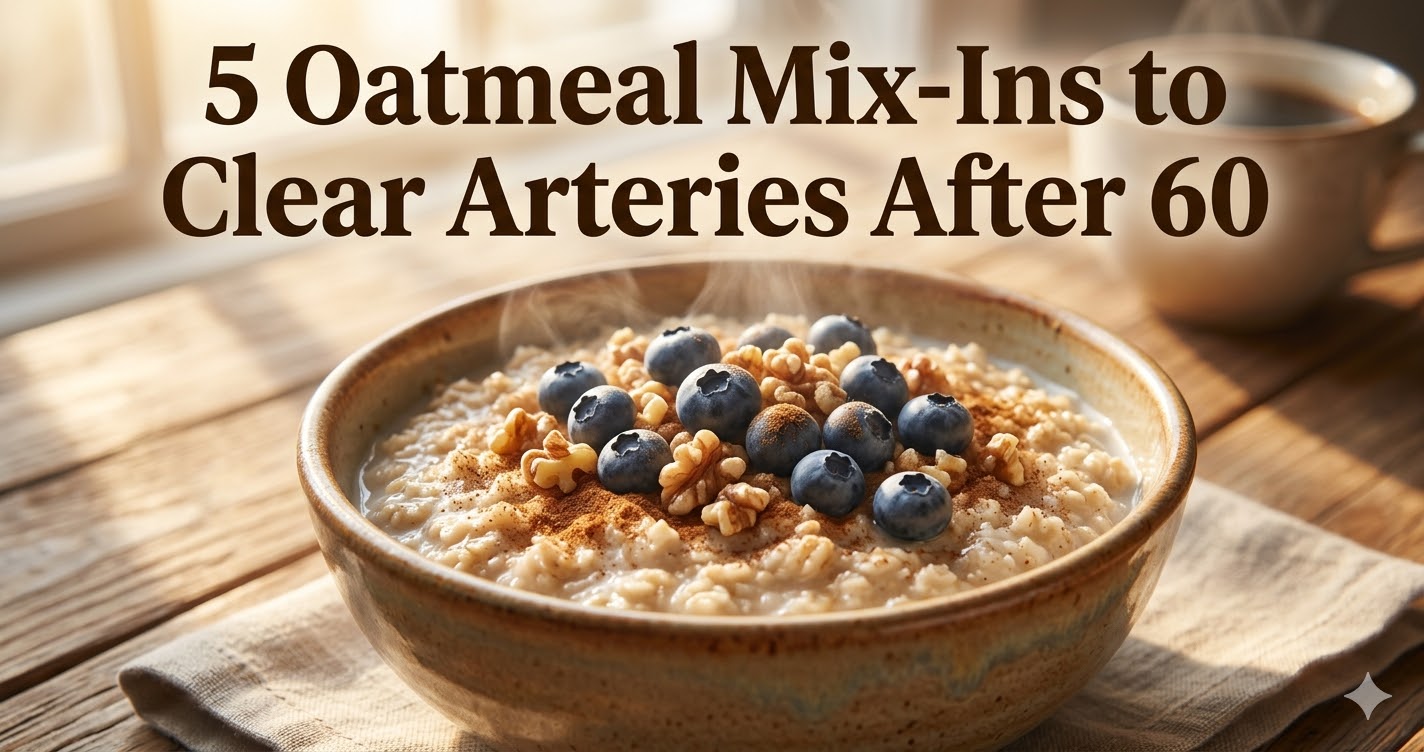
5 Daily Habits to Prevent Memory Loss and Stay Sharp After 60: Your Complete Action Guide
A warm, practical guide for anyone who wants to protect their memory, one small habit at a time.

If you’ve noticed yourself pausing a little longer to find the right word, or walking into a room and forgetting why, take a breath. You are not alone, and more importantly, you are not powerless. This guide will walk you through five simple, science-backed ways to prevent memory loss after 60 — because the brain is not a fixed, decaying organ. It is remarkably responsive to how you treat it, right up until your final years.
This guide was written with one goal in mind — to give you real, doable habits, not vague advice. We’ll walk through five specific daily practices backed by nutrition science and cognitive research, along with a simple action plan you can start today. No medical jargon, no guilt, just steady, sensible steps toward a sharper mind.
Why Brain Health Deserves Your Attention After 60
Here is the encouraging truth that doesn’t get repeated enough: occasional forgetfulness is a normal part of aging, and it is very different from dementia. Your brain, like the rest of your body, simply processes information a bit more slowly with age. But slower is not the same as weaker. In fact, research on “cognitive reserve” shows that people who stay mentally, physically, and socially active tend to maintain sharper recall and faster thinking well into their 80s and beyond.
Think of your brain the way you’d think of a garden. Left alone, it can still grow, but it becomes overgrown and harder to navigate. Tended daily — watered, pruned, given sunlight — it thrives. The five habits below are the “daily watering” your brain has been waiting for.
5 Daily Habits to Prevent Memory Loss After 60
Habit 1: Move Your Body Every Morning

Of all the habits on this list, walking may be the most underrated. When you walk briskly, even for 20 to 30 minutes, your heart pumps more oxygen-rich blood to your brain. Over time, this supports the growth of new connections in the hippocampus — the part of your brain responsible for forming new memories.
You don’t need a gym membership or a strict routine. A morning loop around your neighborhood, a walk with a friend, or a stroll through a nearby park all count. What matters is consistency, not intensity. Aim for a pace where you can talk but would find it hard to sing — that’s the sweet spot for brain-boosting circulation.
Habit 2: Feed Your Brain, Not Just Your Body
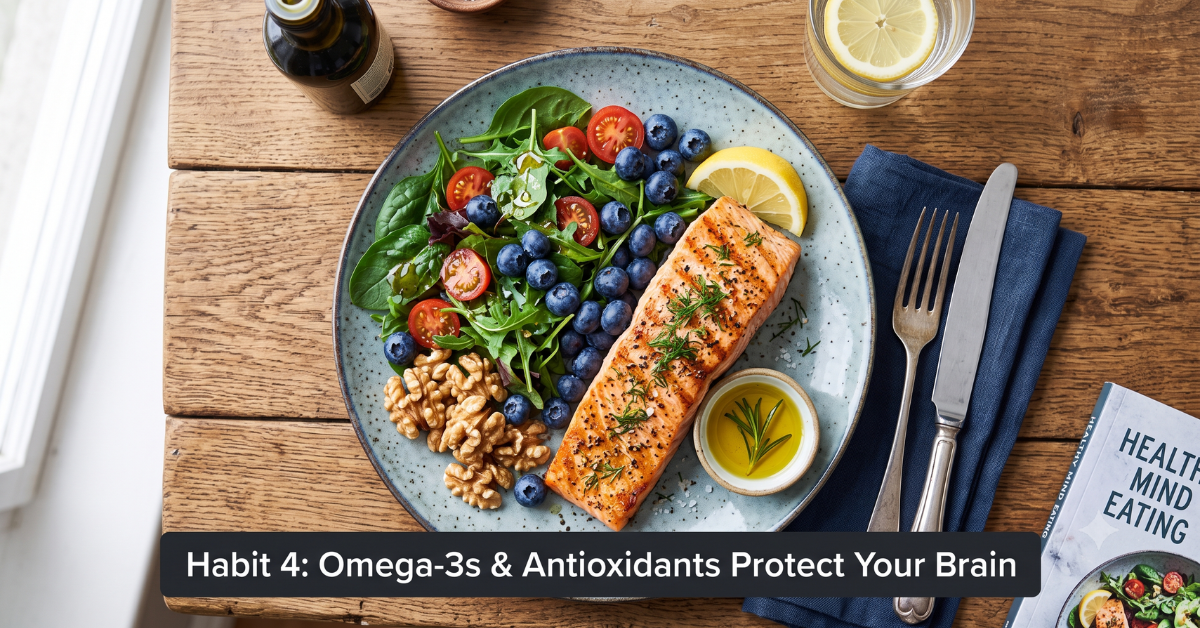
Your brain is roughly 60 percent fat, and the type of fat you eat matters enormously. Omega-3 fatty acids, especially DHA, are structural building blocks for brain cell membranes. Fatty fish like salmon and sardines, walnuts, and leafy greens rich in antioxidants all help protect neurons from the everyday wear and tear of oxidative stress.
Many of our readers find it hard to get consistent omega-3 levels from diet alone, especially if fish isn’t a daily staple. This is one area where a trusted supplement can genuinely fill the gap. We personally recommend keeping a bottle of California Gold Nutrition’s Omega 800 Ultra-Concentrated Fish Oil on your kitchen counter as a daily reminder. It’s a highly concentrated triglyceride-form omega-3 that’s easy to add right alongside breakfast.
Pairing your omega-3 intake with a strong antioxidant like Vitamin C can also help your body manage everyday inflammation more efficiently. If you’re looking for a simple, high-purity option, California Gold Nutrition’s Gold-C USP Grade Vitamin C is a pantry staple worth considering — it’s the kind of small, unglamorous habit that adds up over years.
🧠 Looking for a trusted daily memory supplement?
NEURIVA Memory 3D is a caffeine-free formula with B12, B6, and Folic Acid — voted the #1 Most Trusted Memory Support Supplement by American shoppers in the 2025 BrandSpark Trust Study.
Check This Trusted Memory Supplement →Habit 3: Give Your Brain a Daily Workout

Just as your muscles need resistance to stay strong, your brain needs novelty and challenge to stay sharp. Crossword puzzles, jigsaw puzzles, a new chapter of a book, or even learning a few words in a new language all activate different regions of the brain simultaneously.
The key word here is “new.” Repeating the same crossword style every day is comforting, but true cognitive growth comes from variety — try a Sudoku one day, a word-search the next, and a chapter of an unfamiliar genre the day after. Fifteen focused minutes is enough to make a measurable difference over weeks and months.
If you want extra support for focus and mental clarity while you do this daily brain training, many of our readers have found value in formulas built around ginkgo biloba and phosphatidylserine, such as Applied Nutrition’s Healthy Brain All-Day Focus. It combines several well-studied botanical ingredients designed to support circulation and mental clarity throughout the day — a nice companion to your puzzle time.
Habit 4: Protect Your Sleep Like You Protect Your Savings

Sleep isn’t downtime for your brain — it’s when the real memory-filing happens. During deep sleep, your brain consolidates the day’s experiences, moving them from short-term to long-term storage, while also flushing out metabolic waste that accumulates during waking hours.
Aim for a consistent bedtime and wake time, even on weekends. Dim the lights an hour before bed, keep the bedroom cool, and try to avoid screens right before sleep. If nighttime restlessness or a racing mind makes it hard to settle, a low-caffeine cognitive support formula taken earlier in the day — rather than a stimulant close to bedtime — can help. LifeSeasons’ NeuroQ Brain Health formula is one option many readers take in the morning with breakfast, since it contains less caffeine than a small piece of chocolate, making it a gentle daytime addition rather than something that disrupts your sleep.
Habit 5: Keep Real Conversations in Your Life

This may be the most overlooked habit of all — and possibly the most important. Numerous long-term studies on aging populations have found that regular social interaction is one of the strongest predictors of preserved cognitive function. A phone call with a grandchild, a weekly coffee with a neighbor, or a community class all give your brain the kind of complex, unpredictable stimulation that puzzles alone cannot replicate.
If your social circle has naturally shrunk — which happens to almost everyone after retirement — consider it a habit worth rebuilding intentionally. Join a local walking group, a book club, or a faith community. Even volunteering for two hours a week has been linked to better memory retention in several observational studies.
💊 Ready to make memory care part of your daily routine?
Many readers pair these five habits with a simple daily supplement like NEURIVA Memory 3D — decaffeinated, easy to take with breakfast, and Medicare Advantage OTC eligible on select plans.
Check This Trusted Memory Supplement →Your 7-Day Action Plan: Making These Habits Stick
Reading about healthy habits is easy. Making them automatic is the real challenge. Here is a simple, step-by-step plan to ease these five habits into your week without feeling overwhelmed.
Step 1: Anchor One Habit to an Existing Routine
Choose just one habit to start — walking is often the easiest. Attach it to something you already do daily, like right after your morning coffee. This “habit stacking” method removes the need for willpower and relies on memory triggers you already have in place.
Step 2: Prepare Your Environment in Advance
Lay out your walking shoes the night before. Keep your puzzle book on the kitchen table, not in a drawer. Place your omega-3 and vitamin supplements next to your toothbrush. Small environmental cues do far more heavy lifting than motivation alone.
Step 3: Track Progress Simply, Not Perfectly
Use a basic paper calendar and place an X on each day you complete a habit. Don’t aim for a perfect streak — aim for a mostly-consistent pattern. Missing one day is normal; missing two in a row is your cue to gently restart, without guilt.
Step 4: Add One New Habit Every Two Weeks
Once your first habit feels automatic (usually after 10 to 14 days), layer in the next one. By the end of ten weeks, all five habits can feel like a natural part of your day rather than a chore list.
Step 5: Revisit and Celebrate Monthly
At the end of each month, take five minutes to notice what’s changed. Do you feel a little clearer in conversation? Sleeping a bit more soundly? These small wins are worth acknowledging — they are the evidence that your daily effort is compounding.
A Word on Supplements and Medical Care
Supplements like omega-3 fish oil, Vitamin C, ginkgo-based formulas, and cognitive support blends can be valuable additions to a healthy lifestyle, but they work best as a supporting cast, not the star of the show. Nothing replaces a balanced diet, regular movement, quality sleep, and genuine human connection.
If you’re managing conditions like high blood pressure, diabetes, or take blood thinners, please talk with your doctor or pharmacist before adding any new supplement — some ingredients, like ginkgo or high-dose fish oil, can interact with certain medications. Your physician can also help you interpret any memory changes you’re noticing, since early evaluation is the best tool we have for addressing more serious cognitive concerns.
Step 6: Invite Someone Along for the Journey
Habits are far easier to keep when someone else is walking the path with you — sometimes literally. Ask a spouse, sibling, or neighbor to join your morning walk, or start a small weekly puzzle exchange with a friend. Sharing your progress out loud, even in a short weekly phone call, adds a layer of accountability that a private checklist simply can’t provide. It also folds Habit 5 — social connection — naturally into everything else you’re already doing, so the five habits reinforce one another instead of competing for your time.
💡 Frequently Asked Questions
Is it normal to forget things more often after 60?
Yes. Occasional forgetfulness — like misplacing keys or pausing to recall a name — is a common and normal part of aging. It becomes a concern only when it starts interfering with daily activities like managing finances or following conversations, in which case a doctor’s evaluation is recommended.
Are brain health supplements like omega-3 or ginkgo safe to take with medication?
Most people tolerate them well, but some ingredients such as ginkgo biloba and high-dose fish oil can interact with blood thinners or blood pressure medications. Always check with your doctor or pharmacist before starting a new supplement, especially if you take prescription drugs.
How much exercise do I really need to protect my memory?
Research suggests that just 20 to 30 minutes of brisk walking most days of the week is enough to meaningfully support blood flow to the brain and encourage new neural connections. Consistency matters more than intensity or duration.
Can loneliness actually affect memory and cognitive function?
Yes. Multiple long-term studies on aging populations have linked chronic social isolation to faster cognitive decline. Regular conversation and social engagement provide complex mental stimulation that puzzles and reading alone cannot fully replicate.
When should I see a doctor about memory changes?
See a doctor if memory lapses start affecting daily responsibilities, if a loved one expresses concern, or if forgetfulness is accompanied by confusion, mood changes, or difficulty with familiar tasks. Early evaluation leads to the best outcomes for any underlying condition.
Final Thoughts: Small Habits, Lasting Clarity
Protecting your memory after 60 isn’t about dramatic life changes or expensive interventions. It’s about five small, repeatable choices — a morning walk, a brain-healthy plate, fifteen minutes of mental play, protected sleep, and genuine conversation. Woven together daily, these habits become a quiet but powerful form of self-care that pays dividends for years to come.
You’ve already taken the first step simply by reading this far. That curiosity and care for your own well-being is exactly the mindset that keeps a mind sharp at any age.
💛 Want more practical, warm-hearted guides like this one — in video form?
Join our growing community on the SeoulcastUSA YouTube channel, where we share real, easy-to-follow videos on healthy aging, daily wellness, and living well after 60. Your subscription helps us keep making free, senior-focused content for everyone who needs it.
Subscribe to SeoulcastUSA on YouTube →🌿 Weekly wellness, health & beauty insights — straight to your inbox
Free subscription · Cancel anytime