

How to Lower Blood Pressure and A1C: 5 Simple Diet Changes for Seniors
By the SeniorJourney Wellness Team | Updated July 2026
If you’ve been searching for how to lower blood pressure and A1C at the same time, you’re not alone — that’s exactly the question I asked my doctor after she circled two numbers on a printout at my last checkup. Neither was in an emergency zone, but both had crept up quietly over a few years, the way these things tend to do after 60 — a few extra pounds here, a little less walking there, one too many “just this once” desserts at Sunday dinner. She didn’t hand me a prescription pad first. She handed me a pamphlet about food.
That moment changed how I looked at my plate for good. Over the following months, I learned that managing blood pressure and blood sugar together isn’t about punishing yourself with bland meals — it’s about choosing the right foods more often than the wrong ones, and understanding why they work. This guide walks you through exactly what I learned, organized into a practical, step-by-step plan you can start today.
Health Disclaimer: This article is for general educational purposes only and does not replace advice from your physician or a registered dietitian. Always talk to your healthcare provider before making significant changes to your diet, especially if you take blood pressure or diabetes medication, since diet changes can affect how those medications work.
Why Blood Pressure and Blood Sugar Are Best Managed Together
Most people think of high blood pressure (hypertension) and high blood sugar (measured over time by A1C) as two separate problems. In reality, they share many of the same root causes: too much sodium and refined carbohydrate in the diet, too little fiber, not enough potassium and magnesium, and, frankly, not enough movement. This is why the American Heart Association and American Diabetes Association both point to very similar dietary patterns — like the DASH diet and the Mediterranean diet — as first-line strategies for both conditions.
The encouraging part is that you don’t need two separate diets. One thoughtful eating pattern can move both numbers in the right direction at the same time. That’s exactly the plan below.

My 5-Step Action Plan
Here is the exact sequence I followed, one small habit at a time, over about four months. I didn’t try to change everything at once — and I’d encourage you not to either. Pick one step, get comfortable with it for a week or two, then add the next.
Step 1: Build Every Plate Around Potassium-Rich Foods
Potassium helps your body balance out the effects of sodium and relax blood vessel walls, which is why so many blood-pressure-friendly diets emphasize it. I started simply by adding one potassium-rich food to lunch and dinner: a handful of steamed spinach, half an avocado, a baked sweet potato, or a small banana. None of it felt like “diet food” — it just felt like eating a little more color.
Good sources to try: leafy greens (spinach, kale, Swiss chard), avocado, bananas, sweet potatoes, white beans, salmon, and low-fat yogurt.
Step 2: Swap High-Glycemic Carbs for Low-Glycemic Ones
This was the hardest habit for me, because it meant looking honestly at white bread, white rice, and my beloved morning bagel. Low-glycemic foods release glucose into the bloodstream slowly, which helps prevent the sharp spikes that push A1C upward over time. I didn’t cut carbohydrates out — I just got pickier about which ones I ate.
Good swaps: steel-cut oats instead of instant oatmeal, quinoa or barley instead of white rice, whole chickpeas instead of white bread, and a small apple instead of fruit juice.
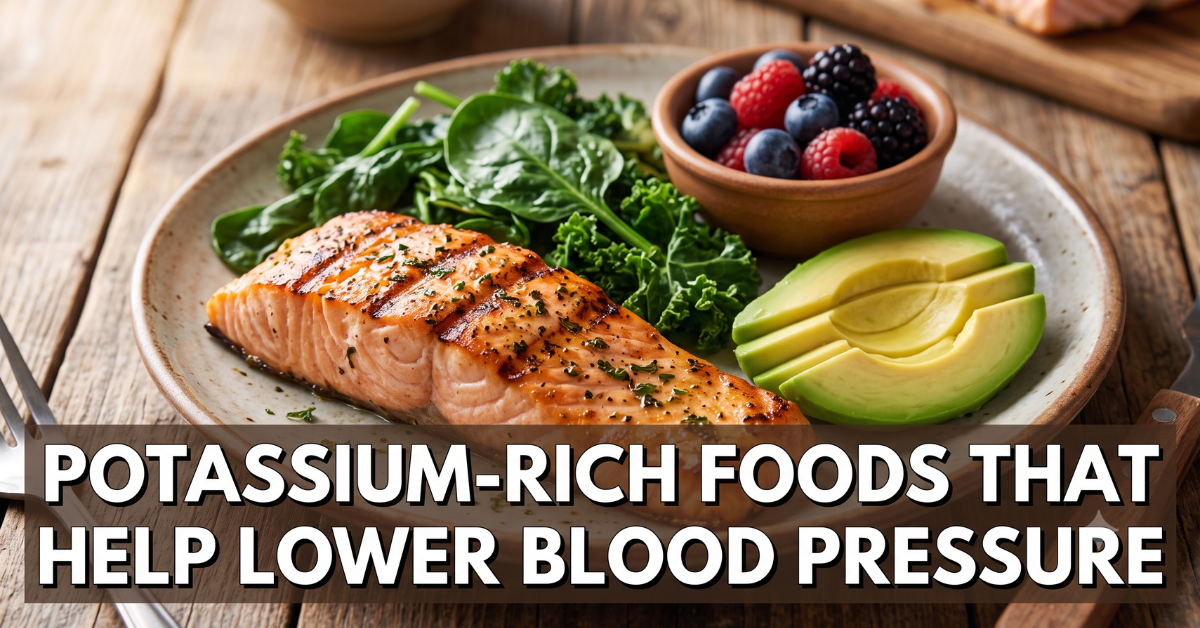
A simple plate built around potassium-rich foods: salmon, leafy greens, and avocado.
🌿 Supporting Your Blood Pressure Naturally
Many readers ask what I take alongside diet changes. Magnesium is one nutrient that’s genuinely hard to get enough of through food alone, and low magnesium is linked to higher blood pressure.
Check Doctor’s Best High Absorption Magnesium on iHerb →Step 3: Add Omega-3s at Least Twice a Week
Fatty fish like salmon, sardines, and mackerel are rich in omega-3 fatty acids, which several studies link to modestly lower blood pressure and improved cholesterol profiles. I started with a simple rule: fish twice a week, no exceptions. On weeks when fresh fish wasn’t practical, I leaned on a quality fish oil supplement instead so I never went weeks without any omega-3 intake at all.
If fresh fish isn’t always on your table, a concentrated omega-3 supplement can help fill the gap.
See California Gold Nutrition Omega-800 on iHerb →Step 4: Double Down on Fiber
Fiber slows digestion, which smooths out blood sugar spikes, and soluble fiber in particular can help lower LDL cholesterol. I began adding a spoonful of psyllium husk to my morning oats and made sure at least one meal a day included beans, lentils, or a whole vegetable rather than a juiced or processed version of it.
Step 5: Track Your Numbers at Home, Not Just at the Doctor’s Office
The single biggest shift in my confidence came from tracking my own numbers between appointments instead of waiting three months to find out if any of this was working. A home blood pressure monitor and, if your doctor recommends it, a glucose monitor turn abstract advice into real feedback you can see the same week you make a change.
Tools that made tracking easier for me:
• Home Blood Pressure Monitor — check current price on Amazon →
• Blood Glucose Monitoring Kit — check current price on Amazon →
• Digital Kitchen Scale (for portion & sodium tracking) — check current price on Amazon →
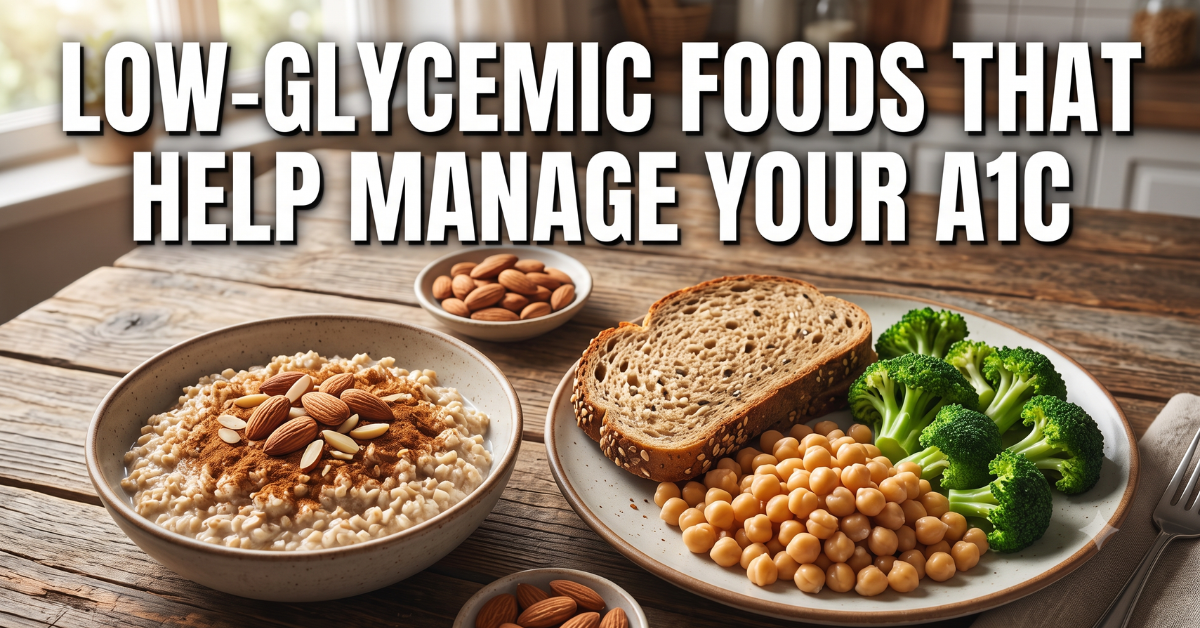
Low-glycemic staples: steel-cut oats, chickpeas, broccoli, and whole grains.
What a Typical Day Looked Like For Me
I’m often asked to just describe an ordinary day, so here’s roughly what I ate as these habits became routine:
Breakfast: Steel-cut oats with cinnamon, a spoonful of psyllium husk, walnuts, and a few berries.
Lunch: A big spinach salad with chickpeas, avocado, and grilled salmon or chicken.
Dinner: Baked salmon or lean chicken, roasted broccoli, and a small portion of quinoa or barley.
Snacks: A small handful of unsalted almonds, or a banana with a spoonful of natural peanut butter.
Nothing here required special “diet food” purchases or complicated recipes. That was the whole point — it needed to be sustainable enough that I’d actually keep doing it a year later, not just a week later.
Common Mistakes I Made Early On
Cutting sodium but ignoring potassium. Reducing salt matters, but I found it far easier — and more effective — to focus first on adding potassium-rich foods, and let the sodium reduction follow naturally as processed foods left my plate.
Treating “low-fat” as automatically healthy. Many low-fat products replace fat with added sugar, which works against blood sugar goals. I learned to read labels for added sugar, not just fat content.
Expecting overnight results. A1C reflects roughly the last three months of blood sugar, and blood pressure responds to sustained habits, not single meals. Give any new routine at least four to six weeks before judging whether it’s working, and always track changes alongside your doctor.
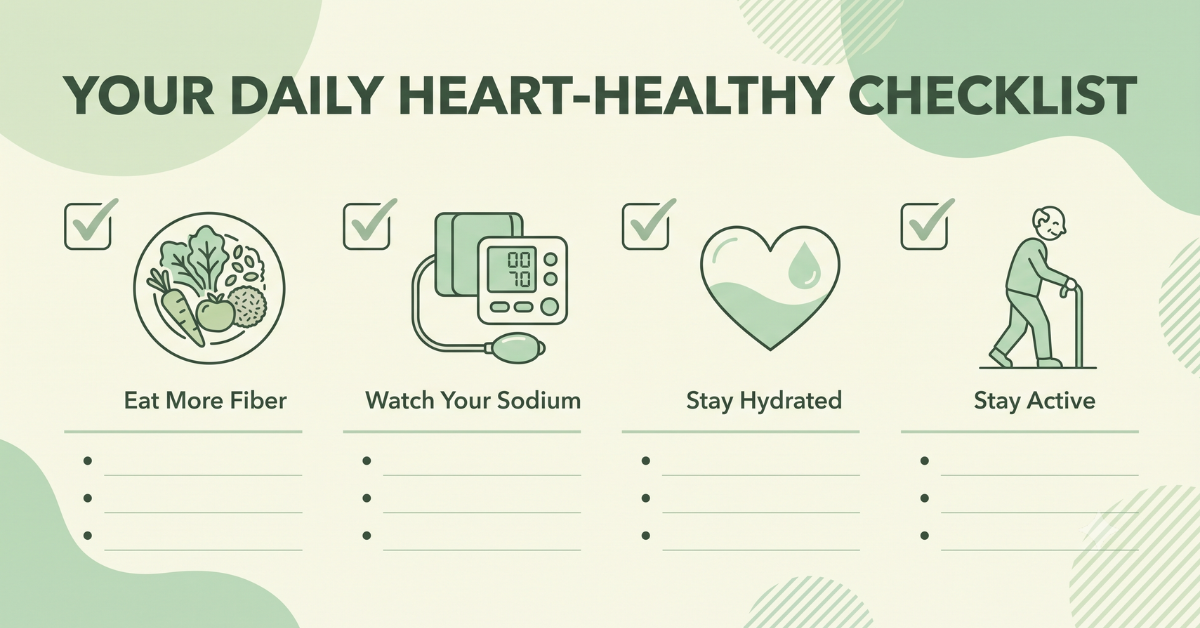
A Simple Weekly Checklist
✅ Eat a potassium-rich food at two meals a day
✅ Choose one low-glycemic swap at breakfast
✅ Include fatty fish (or an omega-3 supplement) twice this week
✅ Add one serving of fiber-rich food (beans, oats, or psyllium) daily
✅ Check your blood pressure at home two to three times this week
✅ Take a 20–30 minute walk on most days
When to Call Your Doctor
Diet changes are powerful, but they work alongside medical care, not instead of it. Contact your doctor promptly if your home blood pressure readings are consistently above 180/120, if you experience chest pain, sudden confusion, or vision changes, or if your blood glucose readings are unusually high or low and don’t respond to your usual routine. These can be signs of a medical emergency that diet alone cannot address.
A Warm Word Before You Go
If there’s one thing I wish someone had told me in that exam room, it’s this: you don’t need to overhaul your entire life in one weekend to lower blood pressure and A1C. Pick one step from this guide. Give it two weeks. Then add the next one. Small, steady changes are exactly what moved my own numbers — and they can move yours too.
If you’d like to see these ideas explained visually, with more real-life tips for the 50-plus community, come say hello over on our SeoulcastUSA YouTube channel — we regularly post video guides just like this one to help you feel confident about your health, your finances, and your everyday life.
💡 Frequently Asked Questions (FAQ)
Q1: Can diet alone lower my A1C without medication?
For some people with prediabetes or mild elevations, diet and lifestyle changes can meaningfully lower A1C. However, this varies by individual, and anyone on diabetes medication should never stop or adjust dosing without their doctor’s guidance, since diet changes can shift how much medication you need.
Q2: How much sodium should a senior aim for each day to help blood pressure?
Many health organizations suggest keeping sodium under 2,300 mg per day, with some guidance for those with high blood pressure suggesting closer to 1,500 mg. Your doctor can help you set the right target based on your specific health history.
Q3: Is it safe to take magnesium or omega-3 supplements alongside blood pressure medication?
Generally these supplements are well tolerated, but they can interact with certain blood pressure or blood-thinning medications. Always check with your doctor or pharmacist before adding any new supplement to your routine.
This article contains affiliate links to iHerb and Amazon. If you make a purchase through these links, SeniorJourneyBlog may earn a small commission at no extra cost to you. We only recommend products relevant to the topic discussed.
🌿 Weekly wellness, health & beauty insights — straight to your inbox
Free subscription · Cancel anytime