

How to Improve Brain Health and Prevent Cognitive Decline
A warm, practical guide for the SeniorJourney community — because a sharp mind at 65, 75, or 85 isn’t luck. It’s a set of habits you can start today.
If you’ve ever walked into a room and forgotten why, or blanked on a familiar name mid-sentence, you already know the small jolt of worry that follows. Is this normal aging? Is it something more? For most of us, that moment passes and life goes on. But it’s also a nudge — a reminder that the brain, like every other part of the body, needs care and attention as the decades add up.
The encouraging news, backed by a growing body of research, is that brain health is far more within your control than most people realize. Genetics play a role, yes. But daily habits — what you eat, how you move, who you talk to, and how well you sleep — appear to carry just as much weight, if not more. This guide walks through what’s actually happening inside an aging brain, and then gives you a clear, realistic action plan to protect it.
Why Brain Health Matters as You Age
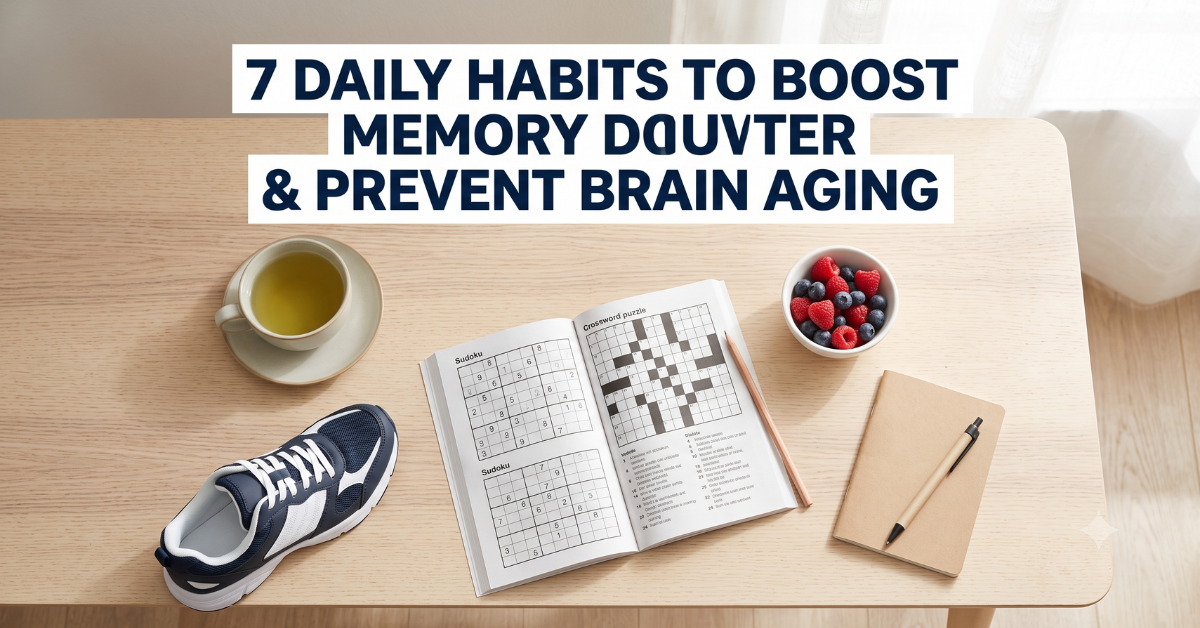
Brain aging isn’t a single event — it’s a slow, ongoing process that starts earlier than most people expect, often in our 40s and 50s. Blood flow to the brain gradually decreases, certain neural connections weaken with disuse, and inflammation can quietly build in the background. None of this means decline is inevitable. It means the brain, much like a muscle or a garden, responds to how it’s treated.
The Science Behind Cognitive Aging
Researchers now understand that the brain retains a surprising amount of “plasticity” well into older adulthood — the ability to form new connections and even generate new neurons in certain regions, like the hippocampus, which governs memory. This is why lifestyle interventions, not just medication, have become such a major focus of modern neuroscience. A landmark analysis published by the Lancet Commission on Dementia Prevention concluded that a substantial share of dementia cases worldwide may be linked to modifiable risk factors — things like hearing loss, physical inactivity, social isolation, and untreated high blood pressure. In other words, the choices you make matter, and it’s genuinely never too late to start.
Common Myths About Memory Loss
One of the most damaging ideas out there is that memory loss is simply “what happens” once you pass a certain age, and that nothing can be done about it. This isn’t accurate. Occasional forgetfulness — misplacing your keys, needing a moment to recall a word — is a normal part of aging. Frequent disorientation, difficulty following conversations, or getting lost in familiar places is different, and worth discussing with a doctor. Understanding this distinction helps you respond to your own mind with curiosity instead of fear.
🌿 Track Your Vascular Health at Home
Healthy blood flow to the brain starts with knowing your numbers. A simple home monitor makes it easy to stay on top of it.
Check the Home Blood Pressure Monitor →Two supplements frequently discussed in brain health research are omega-3 fatty acids and B-complex vitamins, both of which support normal nervous system function. If you’re curious about incorporating them, consider:
🔗 NOW Foods Omega-3 Fish Oil (200 Softgels) — a high-DHA formula often used to support long-term brain and heart health.
🔗 Home Blood Pressure Monitor — because healthy blood flow to the brain starts with tracking your numbers.
7 Daily Habits to Boost Memory and Prevent Brain Aging

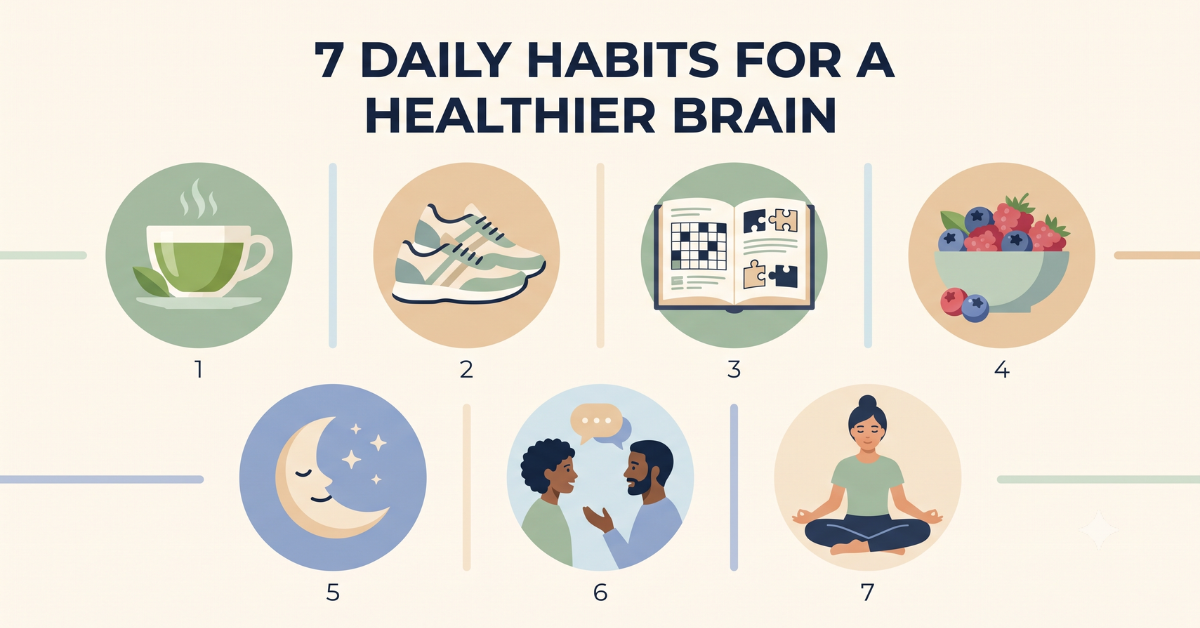
You don’t need a dramatic life overhaul to protect your brain. Small, consistent habits — repeated daily — tend to outperform occasional big efforts. Here are seven that researchers and geriatric specialists return to again and again.
- Move your body every day, even gently. A 20–30 minute walk increases blood flow to the brain and has been linked to better memory performance in older adults.
- Feed your brain, not just your appetite. Diets rich in leafy greens, berries, fatty fish, and olive oil — often called the MIND diet — are associated with slower cognitive decline.
- Challenge your mind with something new. Learning a language, an instrument, or even a new card game builds fresh neural pathways in a way that routine tasks don’t.
- Protect your sleep like it’s medicine — because it is. During deep sleep, the brain clears out metabolic waste linked to cognitive decline.
- Stay socially connected. Regular conversation and companionship are consistently linked to a lower risk of dementia.
- Manage stress with intention. Chronic stress elevates cortisol, which over time can affect the hippocampus, the brain’s memory center.
- Keep your heart healthy. What’s good for your heart is good for your brain — blood pressure, cholesterol, and blood sugar all directly affect cognitive health.
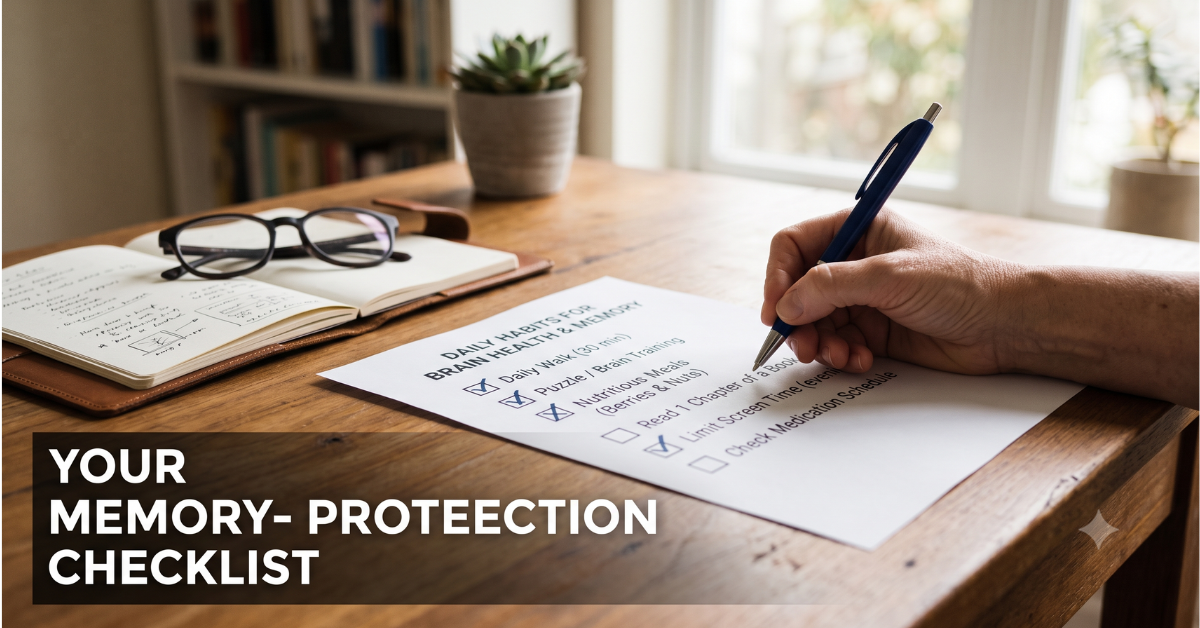
Two small tools can make these habits easier to stick with. A gentle daily B-Complex supports normal energy metabolism and nervous system function, and a simple pedometer turns “I should walk more” into a visible daily goal.
🔗 Life Extension BioActive Complete B-Complex — supports energy and normal nervous system function.
🔗 Simple Step Counter Pedometer — an easy, motivating way to track your daily walks.
🔗 Large-Print Puzzle & Brain Games Book for Seniors — a relaxing way to build new mental challenge into your evening routine.
Proven Strategies to Stop Memory Loss
Knowing what helps is one thing. Turning it into a routine you’ll actually keep is another. Below is a simple, three-step action plan you can start this week — no major life changes required.
Your 3-Step Brain Health Action Plan
Step 1: Anchor one movement habit to something you already do. Instead of relying on willpower, attach a 15-minute walk to an existing routine — right after breakfast, or right before your favorite afternoon show. Habits that piggyback on existing routines are far more likely to stick.
Step 2: Build a “brain plate” once a day. Pick one meal — often easiest at lunch — and consistently include a leafy green, a handful of berries, and a source of healthy fat like olive oil or nuts. You don’t need to overhaul every meal; one intentional “brain plate” daily is enough to build momentum.
Step 3: Schedule connection like an appointment. Loneliness is one of the most underestimated risk factors for cognitive decline. Put a weekly phone call, coffee date, or community class on your calendar the same way you’d schedule a doctor’s visit — because in many ways, it matters just as much.
Some seniors also explore botanicals traditionally associated with mental clarity and focus, such as Ginkgo Biloba, or phospholipid compounds like phosphatidylcholine, which support normal cell membrane function in the brain. As always, check with your physician before adding anything new, especially if you take blood thinners or other prescription medications.
🔗 Doctor’s Best Ginkgo 120 mg — a traditional botanical often associated with memory and focus support.
🔗 BodyBio PC Liposomal Phospholipid Complex — supports normal cell membrane and nervous system function.
🔗 Sleep Quality Tracker — a simple way to see how your nightly rest connects to your mental sharpness.
🛒 See How Well You’re Really Sleeping
Deep sleep is when your brain clears out waste linked to cognitive decline. This tracker shows you exactly where you stand.
Check the Sleep Quality Tracker →The Ultimate Brain Health Guide for Seniors
Bringing everything together, here’s how the pillars of brain health fit into a realistic weekly rhythm — not a rigid program, but a framework you can adapt to your own life, mobility level, and preferences.
Nutrition: Eating for a Clearer Mind
Beyond leafy greens and fatty fish, anti-inflammatory compounds like curcumin — the active ingredient in turmeric — have drawn growing research interest for their potential role in supporting healthy aging and normal inflammatory response.
🔗 Nature’s Truth Turmeric Curcumin Complex — combined with black pepper extract for better absorption.
Movement: Staying Active Without Overdoing It
You don’t need a gym membership. Gentle daily movement — walking, stretching, gardening, or dancing in the kitchen — keeps blood flowing to the brain and supports balance, which also reduces fall risk, a major concern for cognitive independence.
🔗 Adjustable Walking Poles for Seniors — added stability for longer, more confident outdoor walks.
Connection and Purpose
Volunteering, mentoring grandchildren, joining a book club, or simply having a standing weekly lunch with a friend all contribute to a sense of purpose — something researchers increasingly link to preserved cognitive function in later life.
Regular Checkups
Hearing loss, vision changes, and untreated high blood pressure are among the most modifiable risk factors for cognitive decline. An annual wellness visit that includes these checks is one of the simplest, most protective things you can do for your brain.
What the Research Really Shows
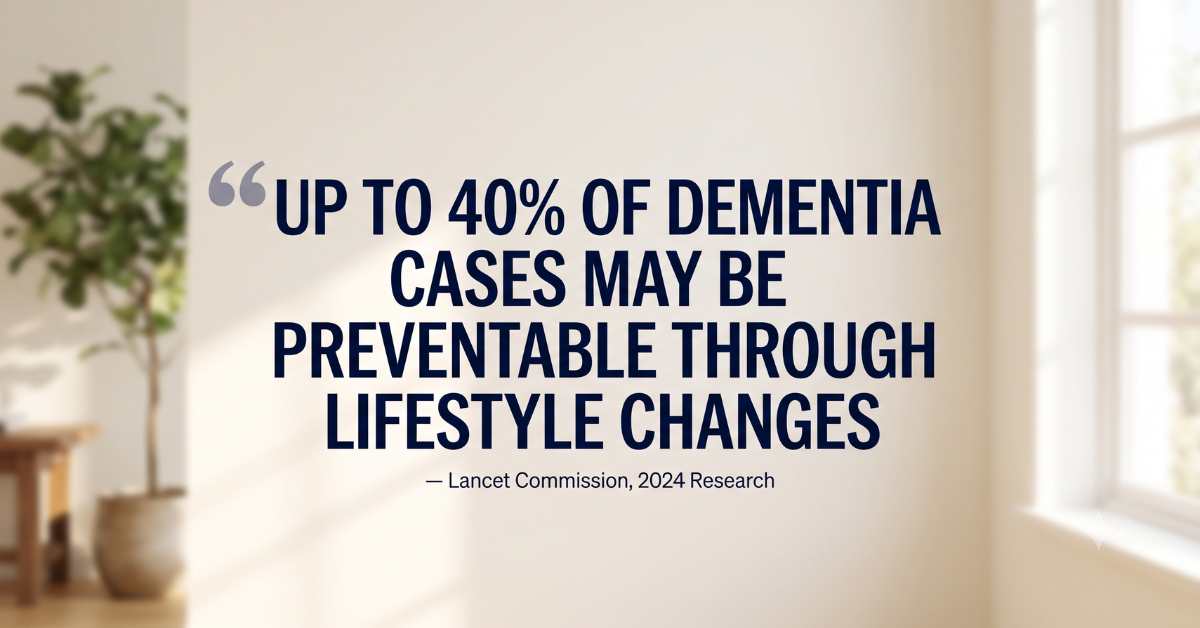
“A significant portion of dementia cases worldwide may be linked to modifiable lifestyle and health factors.”
— Summarized from the Lancet Commission on Dementia Prevention, Intervention, and Care
This finding is one of the most hopeful developments in brain health research in the last decade. It reframes cognitive decline from something that simply happens to you, into something you have real influence over — through nutrition, movement, sleep, hearing care, and social connection.
Vitamin D, often overlooked, also plays a supporting role in nervous system and bone health — particularly relevant for seniors who spend less time outdoors.
🔗 California Gold Nutrition Vitamin D3 (5,000 IU) — supports normal bone and nervous system health.
🔗 “Keep Sharp” — Bestselling Brain Health Book — a practical, doctor-written guide many SeniorJourney readers recommend.
Frequently Asked Questions

Q: At what age should I start worrying about brain health?
There’s no need to “worry” — but the earlier you build healthy habits, the more protective effect they tend to have. Many experts suggest starting brain-healthy habits in your 40s or 50s, though it’s genuinely never too late to benefit.
Q: Is occasional forgetfulness a sign of dementia?
Not usually. Misplacing items or briefly forgetting a name is common and typically not a cause for concern. Frequent disorientation or difficulty with familiar tasks is different, and worth discussing with your doctor.
Q: Can supplements alone prevent cognitive decline?
No single supplement is a guaranteed fix. Supplements like omega-3s, B-complex, or ginkgo may offer supportive benefits, but they work best alongside movement, sleep, nutrition, and social connection — not as a replacement for them.
Q: How much exercise do I really need for brain health?
Research generally points to about 150 minutes of moderate activity per week — roughly 20–30 minutes daily. Walking, swimming, and gentle strength training all count.
Q: When should I see a doctor about memory concerns?
If memory issues are affecting daily life — missing important appointments repeatedly, getting lost in familiar places, or noticing a loved one is concerned — it’s time to schedule a checkup. Early evaluation leads to better outcomes.
🔗 California Gold Nutrition LactoBif Probiotics — supports the gut-brain connection increasingly discussed in wellness research.
🔗 At-Home Blood Glucose Monitor Kit — because stable blood sugar supports stable brain function.
You Have More Control Than You Think
A sharper mind at any age starts with small, steady choices — a walk, a good night’s sleep, a phone call to an old friend. Start with just one habit from this guide today.
For more practical video guides on healthy aging, be sure to visit our SeoulcastUSA YouTube channel — new videos every week made especially for our SeniorJourney community.
🌿 Weekly wellness, health & beauty insights — straight to your inbox
Free subscription · Cancel anytime