Health Disclaimer: This article is for informational purposes only and is not medical advice. Please talk with your doctor or a registered dietitian before changing your diet, especially if you take medication or live with a chronic condition.
Affiliate Disclosure: Some links in this article are affiliate links. If you buy through them, I may earn a small commission at no extra cost to you. I only share resources that fit the topic, and they never replace advice from your own care team.
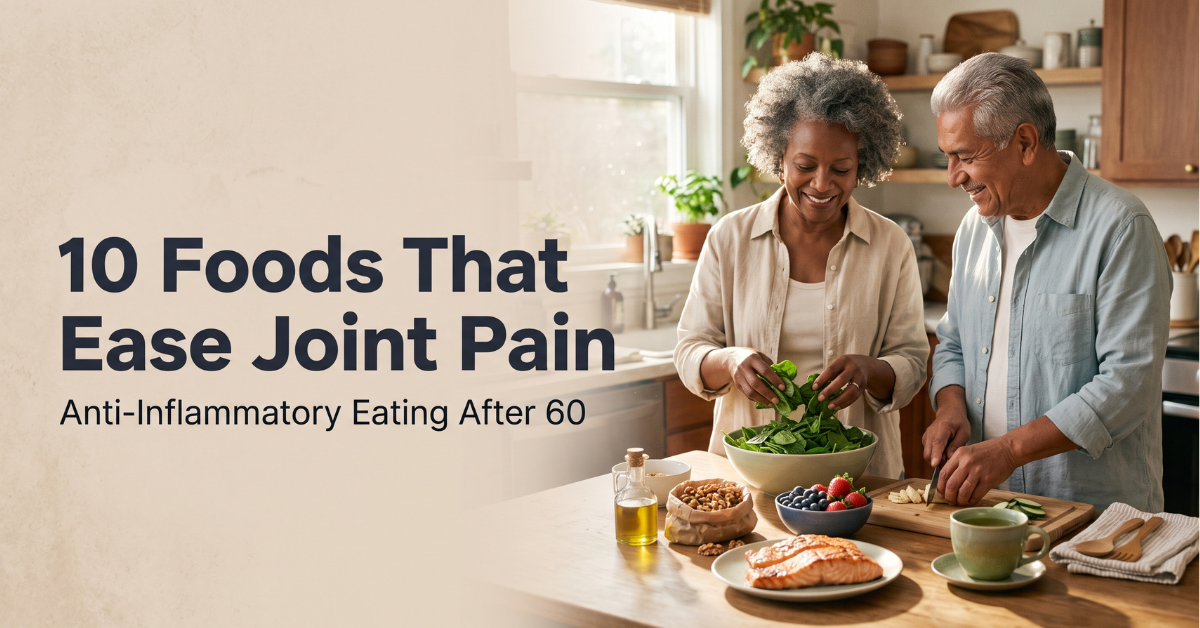
Choosing the right anti-inflammatory foods for seniors may be one of the simplest, most hopeful steps you can take for stiff, achy joints. You don’t need a fancy diet, expensive powders, or a pantry overhaul. You need a handful of everyday foods, used often, and a plan you can actually stick with.
Living in California, I see it at every farmers market on a Saturday morning: older adults filling their bags with berries, greens, and fresh fish, trading recipes with the vendors. Many of them tell me the same thing. Their joints still ache some days, but how they eat has become part of how they feel better, alongside the care their doctors provide.
In this guide, you’ll find the 10 foods with the strongest everyday case for calming inflammation, simple ways to eat them, foods worth cutting back on, and a 7-day action plan you can start this week.
🌿 Weekly wellness, health & beauty insights — straight to your inbox
Free subscription · Cancel anytime

How Inflammation Affects Your Joints After 60
If your knees, hips, or hands hurt, you are far from alone. According to CDC data from the National Health Interview Survey (2019–2021), about 53.2 million U.S. adults have been diagnosed with arthritis, and nearly half of them are 65 or older. More recent CDC survey estimates suggest close to half of all Americans 65 and up have been told by a health professional that they have some form of arthritis.
Good inflammation vs. the kind that lingers
Inflammation is not always the enemy. When you twist an ankle, swelling and warmth are your body’s way of sending help to the injured spot. That’s short-term, or acute, inflammation, and it usually fades as you heal.
The trouble starts when inflammation stays switched on at a low level for months or years. This is called chronic inflammation. It’s linked to many forms of arthritis, especially rheumatoid arthritis (an autoimmune condition where the immune system attacks the joints), and it can add to the wear-and-tear pain of osteoarthritis.
What is CRP, and why does food matter?
Doctors often check a blood marker called C-reactive protein (CRP). Think of it as a smoke alarm for inflammation: the higher the number, the more inflammation is likely going on. The Arthritis Foundation notes that some foods, like beans and whole grains, are linked to lower CRP levels.
Here’s the honest truth up front: no diet can cure arthritis. The Arthritis Foundation says this clearly. But certain foods have been shown to support bones, help the immune system, and fight inflammation. Added to a balanced diet, they may help ease pain and other symptoms. Food works best as a teammate to your medical care, never as a replacement.
Sponsored Resource
Have a Medicare Advantage OTC Allowance?
If your Medicare Advantage plan includes an over-the-counter allowance, the My OTC app by Chapter can help you check your balance, see which items your plan covers, and order online before your credits expire.
Original Medicare does not include an OTC allowance. Benefit amounts and eligible items vary by plan, and not every plan is supported. Chapter is a private company and is not affiliated with Medicare or any government agency. This is an affiliate link; I may earn a commission at no extra cost to you.
Check My OTC Benefit →The 10 Best Anti-Inflammatory Foods for Seniors
These choices are drawn from guidance by the Arthritis Foundation, Cleveland Clinic, and the broader research on Mediterranean-style eating. You don’t need all ten every day. Aim to rotate several of them through your week.
1. Fatty Fish (Salmon, Sardines, Mackerel, Trout)
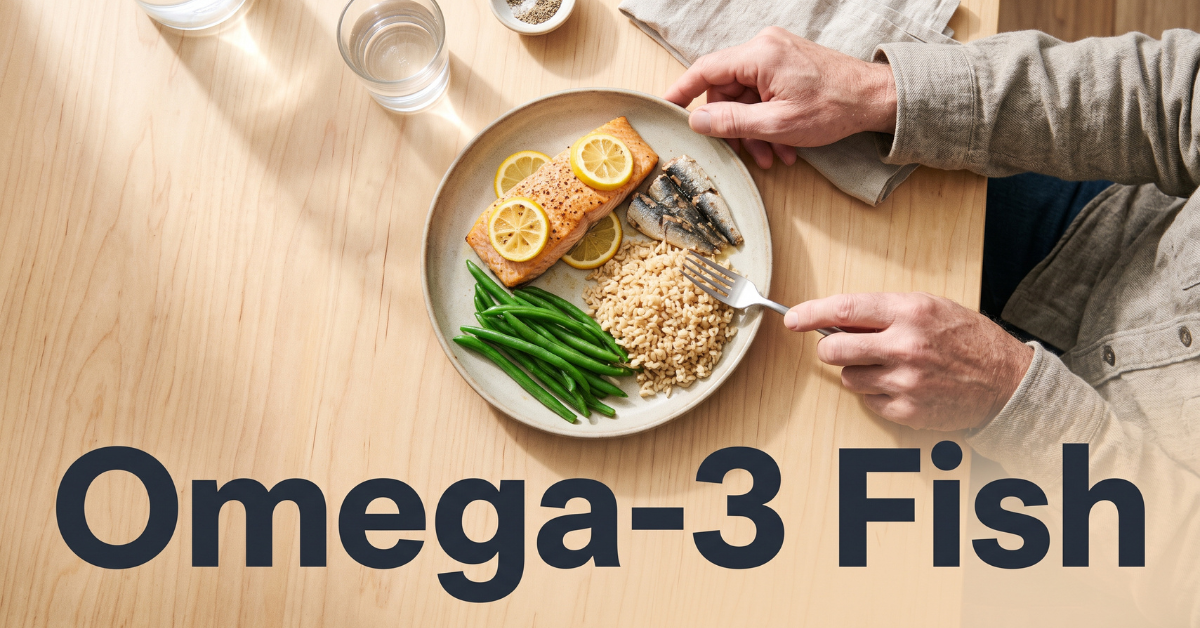
Fatty fish leads almost every list for a reason. It’s rich in omega-3 fatty acids called EPA and DHA, which have well-studied anti-inflammatory effects. Many fatty fish also supply vitamin D, which matters for bone health as we age.
How much? The Arthritis Foundation suggests about 3 to 4 ounces of fish, twice a week. That’s roughly the size of a deck of cards per serving. Its other guidance mentions eating fish up to three or four times a week, especially for people with inflammatory types of arthritis.
- Budget tip: Canned salmon and sardines are affordable, shelf-stable, and soft enough to mash easily.
- Easy idea: Bake salmon on a sheet pan with lemon and olive oil for 12–15 minutes.
- Lower-mercury picks: Salmon, sardines, Atlantic mackerel, and trout.
IF YOU DON’T EAT MUCH FISH
Some older adults find it hard to eat fish twice a week. If you and your doctor decide an omega-3 supplement makes sense for you, here’s one option many people choose: California Gold Nutrition Omega-3 Premium Fish Oil softgels.
Fish oil can interact with blood thinners. Please check with your doctor or pharmacist before starting.
See Omega-3 Fish Oil on iHerb →2. Berries and Cherries

Blueberries, strawberries, raspberries, and blackberries get their deep colors from natural compounds called anthocyanins. According to the Arthritis Foundation, anthocyanins have an anti-inflammatory effect. Cherries carry the same compounds, and studies suggest they may lower how often gout attacks happen.
- Frozen berries are just as nutritious as fresh and last for months.
- Stir a half cup into oatmeal or plain yogurt.
- Choose unsweetened frozen fruit to avoid hidden sugar.
3. Leafy Greens (Spinach, Kale, Collards)
Dark leafy greens are packed with antioxidants, vitamin K, folate, and minerals. The Arthritis Foundation describes produce like this as delivering antioxidants that fight inflammation. Spinach is often mentioned in research on rheumatoid arthritis symptoms.
Greens are also easy to sneak in. Toss a handful of baby spinach into soup right before serving. Add kale to a smoothie. Sauté collards with garlic and olive oil.
4. Broccoli and Other Cruciferous Vegetables
Broccoli is rich in vitamins K and C, plus calcium. It also contains sulforaphane, a plant compound that the Arthritis Foundation says may help prevent or slow the progression of osteoarthritis. Cleveland Clinic also recommends cauliflower, Brussels sprouts, and mushrooms as anti-inflammatory vegetables.
If raw broccoli is hard to chew, steam it until tender, or roast it with a drizzle of olive oil until the edges turn golden and sweet. Frozen florets work beautifully in stir-fries.
Vitamin C deserves a special mention here. The Arthritis Foundation notes that getting the right amount of vitamin C, from foods like oranges, grapefruit, limes, and broccoli, may help maintain healthy joints. Most people can meet their needs from food alone.
SPONSORED RESOURCE
If your doctor suggests a vitamin C supplement to fill a gap in your diet, California Gold Nutrition Gold C is one widely available option. Food sources should still come first.
View Vitamin C on iHerb →5. Extra Virgin Olive Oil
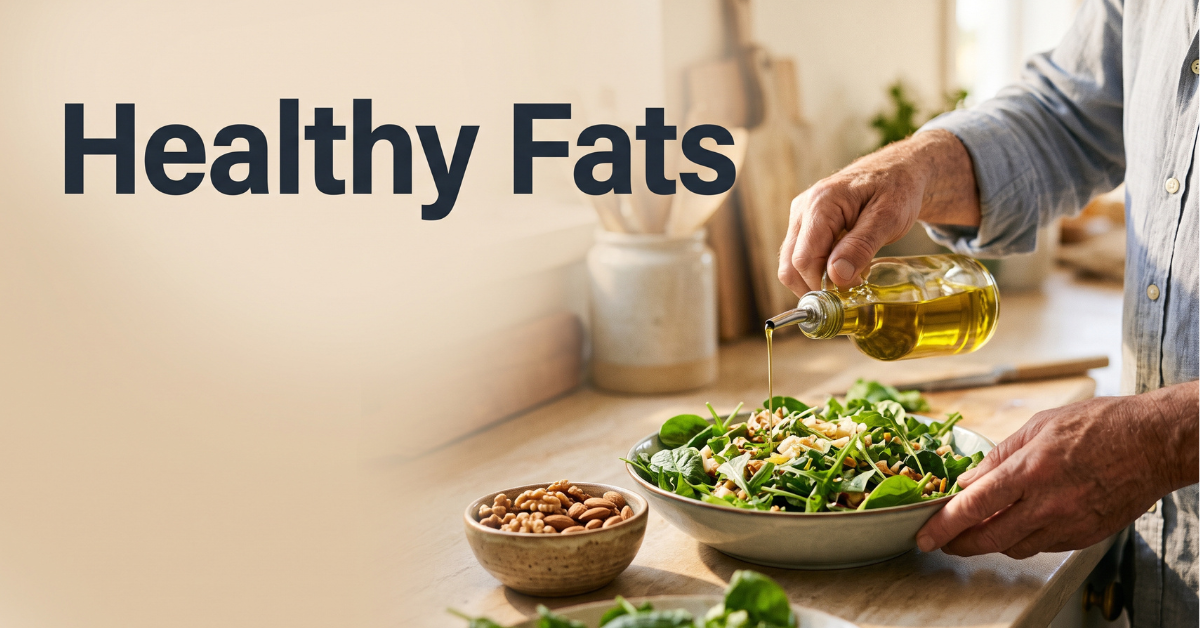
Extra virgin olive oil is the heart of Mediterranean cooking. It’s full of heart-healthy fats, and it contains a compound called oleocanthal. The Arthritis Foundation says oleocanthal has properties similar to NSAIDs, the family of pain relievers that includes ibuprofen. That doesn’t make olive oil a medicine, but it’s a meaningful reason to choose it over butter or shortening.
- Look for “extra virgin” on the label. It’s the least processed type.
- Use it for salad dressing, roasting vegetables, and drizzling over soups.
- Store it in a cool, dark cupboard, away from the stove.
6. Nuts (Walnuts, Almonds, Pistachios)
Nuts are small but mighty. According to the Arthritis Foundation, walnuts, pine nuts, pistachios, and almonds provide protein, calcium, magnesium, zinc, vitamin E, and alpha-linolenic acid (ALA), a plant-based omega-3. Walnuts are especially rich in ALA.
Nuts are calorie-dense, so portions matter. A small handful is a common serving. If chewing is a challenge, try smooth nut butters on whole-grain toast, or ground walnuts sprinkled over oatmeal.
7. Beans and Lentils
Beans may be the most underrated food on this list. The Arthritis Foundation points out that red, kidney, and pinto beans are high in fiber, which helps lower CRP, that “smoke alarm” marker of inflammation. Beans also deliver protein, folic acid, magnesium, iron, zinc, and potassium. And they’re one of the least expensive foods in the grocery store.
- Rinse canned beans to cut sodium by a good amount.
- Add lentils to soups. They cook in about 20 minutes, no soaking needed.
- If beans cause gas, start with small portions and increase slowly.
SPONSORED RESOURCE
Nuts and beans are both good food sources of magnesium. Some readers also ask about magnesium supplements, such as BiOptimizers Magnesium Breakthrough. Magnesium can interact with certain medications and isn’t right for everyone, especially people with kidney concerns, so please ask your doctor first.
Learn About Magnesium Breakthrough →8. Whole Grains (Oatmeal, Brown Rice, Barley)
Swapping refined grains like white bread and white rice for whole grains is one of the easiest changes you can make. The Arthritis Foundation says whole grains such as oatmeal, brown rice, and whole-grain cereals can lower CRP levels. They also help with weight control, which takes pressure off weight-bearing joints like knees and hips.
Label tip: Words like “multigrain” or “wheat” don’t guarantee a product is whole grain. Look for “100% whole grain” or a whole grain listed as the first ingredient.
9. Green Tea

A warm cup of green tea is a lovely daily ritual, and it may do more than comfort you. The Arthritis Foundation notes that green tea contains polyphenols that may reduce inflammation and slow cartilage breakdown. Its best-known antioxidant, EGCG, may block molecules that cause joint damage in rheumatoid arthritis.
- Green tea has caffeine. If it affects your sleep, enjoy it before noon or choose decaf.
- Skip the sugar. A squeeze of lemon adds flavor and vitamin C.
- Green tea extract pills are much stronger than brewed tea. Ask your doctor before trying them.
10. Ginger and Turmeric
These two golden roots have been used in kitchens across Asia for centuries. Turmeric contains curcumin, which has been widely studied for its anti-inflammatory effects. Ginger shows promise too, though research is still growing. Cleveland Clinic includes both in its list of foods that may help ease arthritis pain.
The safest, simplest way to enjoy them is as food: turmeric in soups, curries, and scrambled eggs; fresh ginger in stir-fries and tea. A pinch of black pepper helps your body absorb curcumin.
SPONSORED RESOURCE
Many of the foods above, like fatty fish, berries, and leafy greens, also show up on brain-healthy eating lists. If you’re curious about memory-focused supplements, you can read about CogniFort Plus here. As with any supplement, talk with your doctor before starting.
Read About CogniFort Plus →Quick Comparison: 10 Joint-Friendly Foods at a Glance
Here are all 10 anti-inflammatory foods for seniors in one place. Print this table or save it on your phone for your next grocery trip.
| Food | Key Nutrient | Easy Way to Eat It |
|---|---|---|
| Fatty fish | Omega-3 (EPA, DHA) | Canned salmon salad on whole-grain toast |
| Berries & cherries | Anthocyanins | Frozen berries in oatmeal |
| Leafy greens | Antioxidants, vitamin K | Spinach stirred into soup |
| Broccoli | Sulforaphane, vitamin C | Roasted with olive oil |
| Extra virgin olive oil | Oleocanthal, healthy fats | Homemade salad dressing |
| Nuts | ALA, magnesium, vitamin E | A small handful as a snack |
| Beans & lentils | Fiber, protein | Lentil soup or bean chili |
| Whole grains | Fiber | Oatmeal for breakfast |
| Green tea | Polyphenols (EGCG) | One warm cup in the morning |
| Ginger & turmeric | Gingerols, curcumin | Added to soups and stir-fries |
Foods That May Fuel Inflammation (and Smart Swaps)
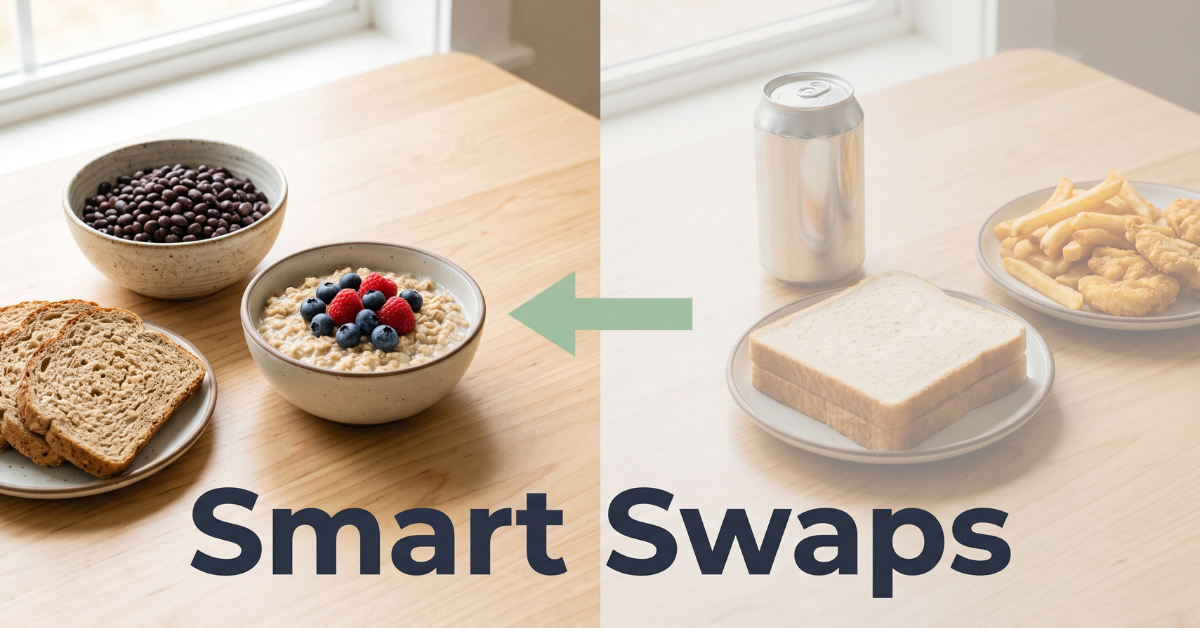
Adding good foods is only half the picture. It also helps to cut back on foods that may push inflammation higher. The Arthritis Foundation points to added sugar as a common trigger. Processed foods, sugary drinks, too much alcohol, and foods high in saturated and trans fats are also worth limiting.
You don’t have to give up everything you love. Try one swap at a time:
| Instead of… | Try… |
|---|---|
| Soda or sweet tea | Sparkling water with lemon, or unsweetened green tea |
| White bread | 100% whole-grain bread |
| Fried chicken | Baked salmon or oven-roasted chicken |
| Sugary cereal | Oatmeal with berries and walnuts |
| Chips | A small handful of unsalted nuts |
| Deli meats | Canned tuna or salmon, or home-cooked turkey |
| Butter for cooking | Extra virgin olive oil |
Remember, there is no perfect diet that works for everyone. Some people notice that certain foods, even healthy ones, seem to bother their joints. A simple food-and-pain journal can help you spot patterns to share with your doctor or dietitian.
Beyond the Plate: Habits That Help Food Work Better
Food is powerful, but it works best alongside a few other daily habits. Think of these as the support crew for your anti-inflammatory kitchen.
Keep gently moving
It may feel backwards, but movement often eases stiff joints. CDC research shows walking is the most common activity among adults with arthritis. Swimming, water aerobics, cycling, and chair exercises are gentle options too. Start slowly, and ask your doctor or a physical therapist what’s safe for your joints.
Support a healthy weight
Extra body weight adds pressure to knees, hips, and the lower back. Fat tissue can also produce inflammatory substances. The whole grains, beans, and vegetables on this list are filling and naturally lower in calories, which makes weight management feel less like dieting.
Protect your sleep
Pain can make sleep harder, and poor sleep can make pain feel worse. It’s a frustrating loop. A regular bedtime, a cool dark room, limiting caffeine after noon, and a light evening meal can all help. If pain keeps waking you up, mention it to your doctor. There may be adjustments that can help.
SPONSORED RESOURCE
Looking for more ideas to support restful nights? You can learn about YU Sleep, a nighttime supplement some readers ask about. Sleep aids can interact with other medicines, so please review it with your doctor or pharmacist first.
Learn About YU Sleep →Stay hydrated
Our sense of thirst often fades with age. Keep a water bottle where you can see it, and count green tea and water-rich foods like soups and fruit toward your daily fluids.
Your 7-Day Anti-Inflammatory Action Plan: Step by Step

Big changes rarely last. Small, steady ones do. Here’s a gentle one-week plan for bringing anti-inflammatory foods for seniors into your daily routine.
Step 1 (Day 1): Talk and take stock
Write down your current medications and supplements. If you take a blood thinner, diabetes medicine, or have kidney concerns, call your doctor’s office or pharmacist and ask which of these foods or supplements you should be careful with. Then look in your pantry and note two or three items you’d like to swap.
Step 2 (Day 2): Shop the list
Buy canned salmon or sardines, frozen berries, a bag of spinach, broccoli, extra virgin olive oil, walnuts, a can of beans, old-fashioned oats, and green tea bags. Many of these keep for weeks, so one trip goes a long way.
Step 3 (Days 3–4): Upgrade breakfast and one drink
Make oatmeal with berries and walnuts your go-to breakfast. Replace one sugary drink a day with green tea or water with lemon.
Step 4 (Days 5–6): Add fish and beans
Enjoy fish for dinner once, then a bean or lentil soup the next day. Cook extra and freeze portions for busy days.
Step 5 (Day 7): Check in and plan next week
Look at your food-and-pain journal. How did you sleep? How did your joints feel in the morning? Keep what worked, adjust what didn’t, and add one new food from the list next week.
✅ Your Weekly Checklist
- ☐ Fatty fish, 2 times this week
- ☐ Berries or cherries, most days
- ☐ A leafy green or broccoli every day
- ☐ Cooked with olive oil instead of butter
- ☐ Beans or lentils, at least 3 times
- ☐ Whole grains instead of white bread or rice
- ☐ One cup of green tea or ginger tea daily
- ☐ One fewer sugary drink or snack each day
- ☐ A gentle walk or chair exercise most days
Keeping your health records private
Many of us now track symptoms in apps, message doctors through patient portals, and order groceries online. It’s convenient, but it also means personal health details travel across the internet. Use strong passwords, avoid logging into health accounts on public Wi-Fi at cafés or airports, and keep your devices updated.
SPONSORED RESOURCE
If you often use public Wi-Fi, a VPN can add a layer of privacy by encrypting your connection. NordVPN is one well-known option for protecting your online activity.
Explore NordVPN →When to Call Your Doctor About Joint Pain
Eating well is a wonderful step, but some joint symptoms need prompt medical attention. Call your doctor soon if you notice:
- A joint that suddenly becomes red, hot, and very swollen, especially with a fever
- Pain after a fall, or you can’t put weight on a leg
- Morning stiffness that lasts longer than an hour, day after day
- Pain that keeps getting worse, or new pain in several joints at once
- Unexplained weight loss or tiredness along with joint pain
A Gentle Final Word
Living with joint pain can wear on your spirit as much as your body. But every bowl of oatmeal with berries, every piece of salmon, and every cup of green tea is a small act of care for yourself. You don’t need to be perfect. You just need to keep showing up for your health, one meal at a time.
The best anti-inflammatory foods for seniors are the ones you’ll actually enjoy and keep eating. Start with one or two foods from this list this week. Notice how you feel. Share what you learn with your doctor. And be patient and kind with yourself along the way. For more everyday wellness ideas, you can also explore WellbeingPrime and Gmart US.
Here’s to many more comfortable mornings, good meals, and walks in the sunshine. Take good care, friend.
Ready to try your first anti-inflammatory week? You don’t have to do it alone.
Join our free Senior Journey community to swap joint-friendly recipes, share what’s working for you, and get new guides as soon as they’re published.
👉 Join Free TodayFrequently Asked Questions
How long does it take for anti-inflammatory foods to help joint pain?
It varies from person to person. Food works gradually, not overnight. Many people give a new eating pattern several weeks to a few months before judging how they feel. Keeping a simple food-and-pain journal helps you and your doctor see real patterns. Keep taking any prescribed treatment unless your doctor tells you otherwise.
Is it safe for seniors on blood thinners to eat turmeric, ginger, or leafy greens?
Normal cooking amounts of turmeric and ginger are generally considered low-risk, but concentrated supplements may raise bleeding risk with blood thinners. Leafy greens are high in vitamin K, which affects warfarin, so steady intake matters more than avoidance. Ask your doctor or pharmacist before making changes.
Should I take fish oil instead of eating fish?
Whole fish gives you protein, vitamin D, and other nutrients along with omega-3s, so food is usually the first choice. If you rarely eat fish, ask your doctor whether a supplement makes sense for you. Fish oil can interact with blood thinners and isn’t right for everyone.
Join Journeygram 🌿
A friendly community for adults 50+.
Share stories, photos, and tips with people who get it.
Grandkids · Travel · Health · Skin Care · Money · New Friends