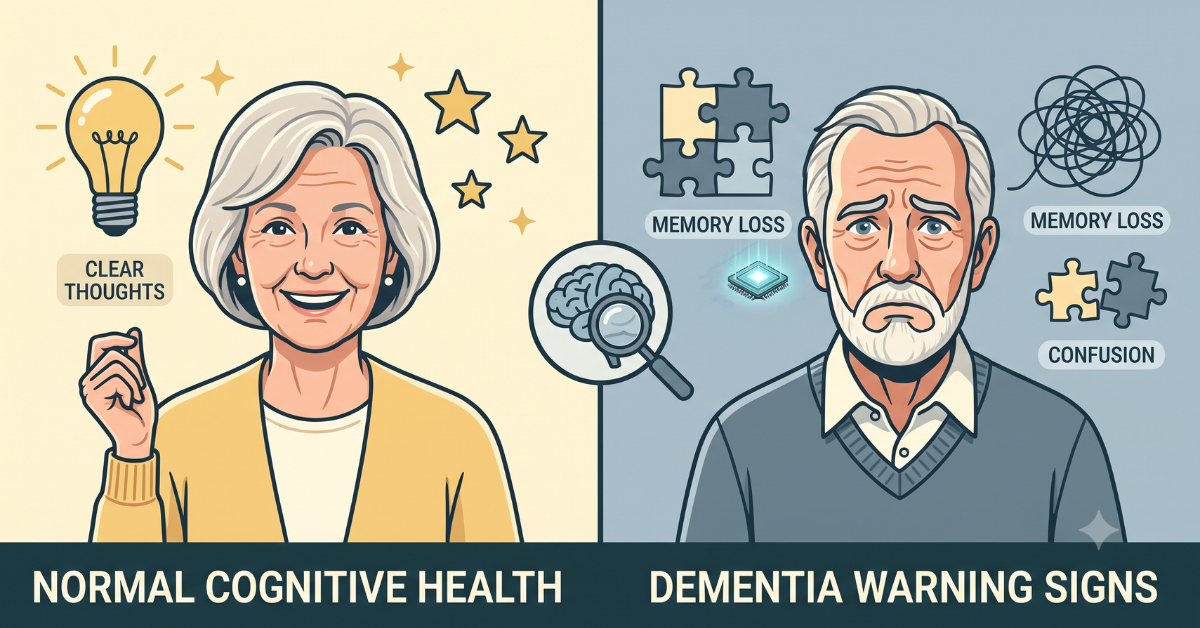
Memory Loss or Warning Sign? A Warm, Honest Guide to Normal Aging vs. Signs of Dementia
Understanding the difference could bring you peace of mind — or the head start you need.
You walked into the kitchen and, for a moment, couldn’t remember why. Later that same week, you blanked on your neighbor’s name — someone you’ve known for fifteen years. A small, quiet worry crept in: is this just getting older, or is this something more?
If you’ve asked yourself that question, you are far from alone. It’s one of the most common concerns among adults over 55, and it’s also one of the most misunderstood. The truth is, a certain amount of forgetfulness is a completely normal part of aging — your brain, like every other part of your body, changes over time. But there is also a real, meaningful difference between “normal” and “warning sign,” and knowing that difference can help you act early, calmly, and with confidence.
This guide walks you through exactly what to look for, what the science actually says, and — most importantly — what you can do about it starting today.
Why This Question Keeps So Many of Us Up at Night
Memory is deeply tied to our sense of identity. It holds our relationships, our independence, and our stories. So when memory starts to feel unreliable, it’s natural to feel a flicker of fear. But here’s something reassuring: research consistently shows that occasional forgetfulness — misplacing your glasses, blanking on a word mid-sentence — is a normal result of slower processing speed in an aging brain, not necessarily a sign of disease.
The key is learning to tell the difference between ordinary slips and patterns that deserve closer attention. Let’s break that down clearly.
Normal Aging vs. Warning Signs: What’s the Real Difference?
What Normal, Age-Related Forgetfulness Looks Like
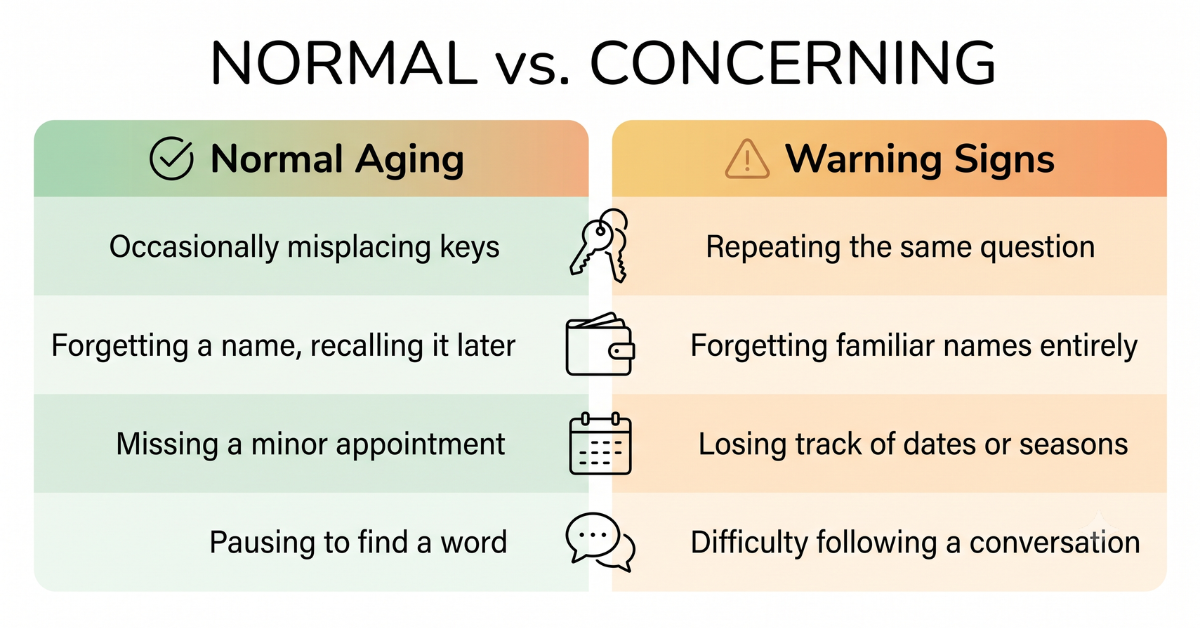
Normal forgetfulness tends to be occasional, mild, and something you can eventually recall or work around on your own. It doesn’t stop you from living your daily life. Common examples include:
- Occasionally misplacing your keys or glasses, but retracing your steps to find them
- Forgetting someone’s name in the moment, then remembering it later that day
- Momentarily pausing mid-sentence to find the right word
- Missing a minor appointment once in a while, especially during a busy or stressful week
What Warning Signs Look Like
Warning signs, on the other hand, tend to be persistent, progressive, and disruptive to daily life. They don’t resolve on their own, and they often affect judgment, communication, or independence. These include:
- Repeating the exact same question multiple times within a short period
- Forgetting the names of close family members or long-time friends entirely
- Getting lost in a familiar neighborhood or losing track of the date, season, or year
- Struggling to follow or join a conversation, even a simple one
If what you’re noticing sounds more like the second list — especially if it’s happening repeatedly or getting worse — it’s worth a conversation with a healthcare provider. Not because something is definitely wrong, but because early information is always your friend.
🛒 Looking for trusted, senior-friendly wellness essentials?
Browse Our Amazon Wellness Picks →The 10 Early Warning Signs of Dementia You Shouldn’t Ignore
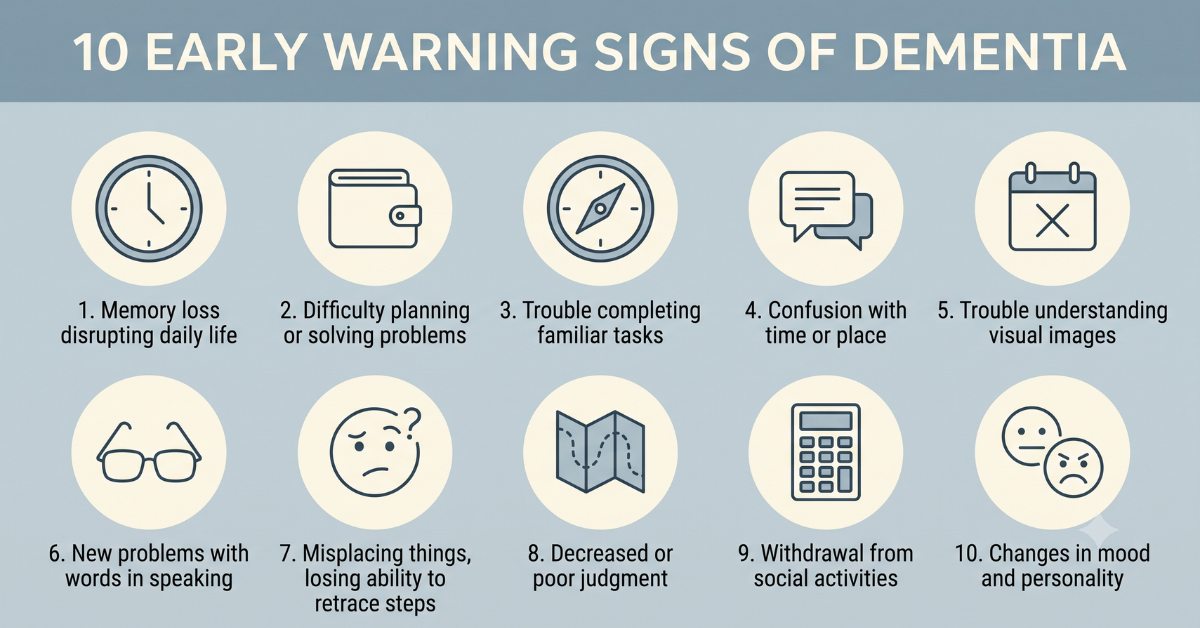
Medical researchers have identified a set of recognizable early indicators. None of these, on their own, means a diagnosis — but if several appear together and persist over weeks or months, they’re worth discussing with a doctor.
- Memory loss that disrupts daily life — forgetting recently learned information so often that it interferes with work or home responsibilities.
- Difficulty planning or solving problems — trouble following a familiar recipe or keeping track of monthly bills.
- Trouble completing familiar tasks — getting confused during a routine drive or a task done hundreds of times before.
- Confusion with time or place — losing track of dates, seasons, or how much time has passed.
- Trouble understanding visual images or spatial relationships — difficulty reading, judging distance, or determining color contrast.
- New problems with words in speaking or writing — struggling to follow or join a conversation, or repeating a phrase.
- Misplacing things and losing the ability to retrace steps — putting items in unusual places and being unable to find them again.
- Decreased or poor judgment — noticeable changes in decision-making, such as unusual spending patterns.
- Withdrawal from work or social activities — pulling away from hobbies, social engagements, or family gatherings.
- Changes in mood and personality — becoming confused, suspicious, anxious, or easily upset in situations that didn’t previously cause distress.
If two or more of these feel familiar and have lasted longer than a few weeks, that’s your cue to schedule a check-up — not to panic, but to gather clarity.
What Might Be Increasing the Risk — And What You Can Actually Do
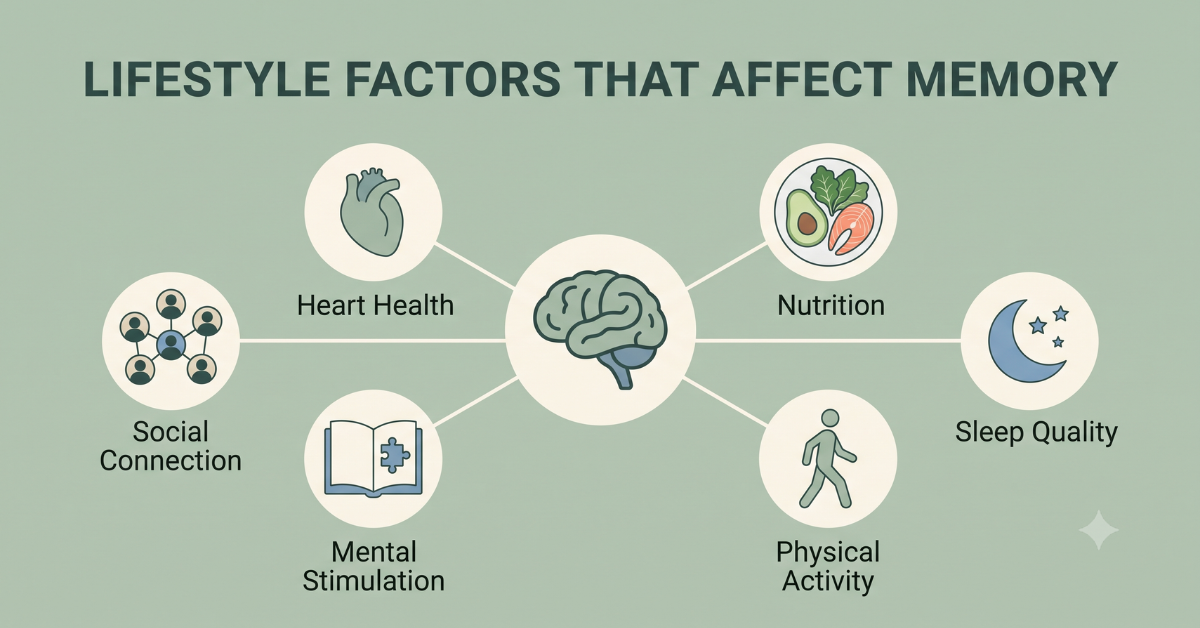
Here’s genuinely encouraging news: brain health is not entirely out of your hands. Research consistently points to a handful of everyday factors that meaningfully influence cognitive health over time.
Heart Health
What’s good for your heart is good for your brain. Healthy blood flow supports healthy brain tissue, which is why cardiovascular check-ups matter just as much for memory as they do for your heart.
Nutrition
Nutrient gaps — especially in B vitamins and omega-3 fatty acids — are surprisingly common among older adults and have been linked to cognitive changes. Many people in our community round out their daily nutrition with a quality omega-3 supplement, such as the Vitamin Shoppe Omega-3 Fish Oil (240 Softgels), which offers a generous, affordable supply to support daily brain and heart nutrition.
Sleep Quality
Deep, restorative sleep allows the brain to clear out metabolic waste built up during the day. Chronic poor sleep has been associated with faster cognitive decline, making a consistent bedtime routine one of the simplest, most powerful tools available.
Physical Activity
Even a daily 20-minute walk increases blood flow to the brain and has been shown to support memory and mood in older adults.
Mental Stimulation & Cellular Support
Keeping the mind actively engaged — through reading, puzzles, or learning something new — helps maintain neural connections. Some readers also choose to pair this with targeted nutritional support, such as Doctor’s Best Natural Brain Enhancers, which supports attention, learning, and overall cellular function, or Metabolic Maintenance Brain Cell Support, a well-regarded formula combining citicoline and phosphatidylserine.
Immune & Cellular Wellness
Overall antioxidant support matters too — vitamin C plays a foundational role in vascular and cellular health throughout the body, including the brain. A trusted option many in our community rely on is California Gold Nutrition Gold-C USP Grade Vitamin C (1,000 mg, 240 capsules), a long-lasting, high-quality staple for daily wellness routines.
Social Connection
Loneliness is now recognized as a genuine risk factor for cognitive decline. Regular conversation, community involvement, and time with loved ones are not just emotionally nourishing — they are protective for your brain.
💊 Explore more senior-friendly wellness essentials curated just for you
Visit Our Wellness Storefront →Your Action Plan: 3 Simple Steps to Take This Month
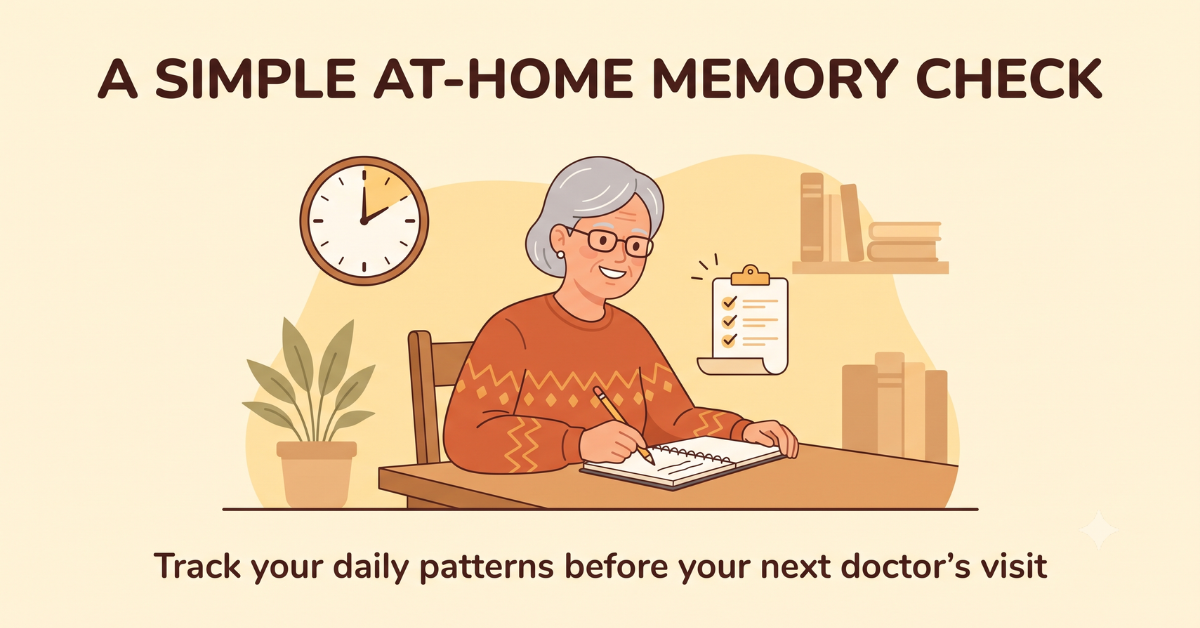
Step 1: Start a Simple At-Home Memory Journal
For the next two to four weeks, jot down anything that felt unusual — a missed appointment, a repeated question, a moment of confusion. This isn’t about worrying; it’s about gathering real, useful information. Patterns are far easier to spot on paper than in memory alone, and this journal becomes an invaluable resource if you do decide to see a doctor.
Step 2: Schedule a Baseline Cognitive Check-Up
Even without alarming symptoms, a baseline cognitive screening — often just a short, painless questionnaire during an annual wellness visit — gives you and your doctor something to compare against in the future. Think of it like a baseline blood pressure reading: useful whether or not anything is currently wrong.
Step 3: Build One Brain-Healthy Habit at a Time
Rather than overhauling your entire routine overnight, choose one habit — a daily walk, a nightly wind-down routine, a weekly phone call with a friend — and commit to it for 30 days. Small, sustainable changes compound far more powerfully than dramatic ones that don’t last.
When to See a Doctor
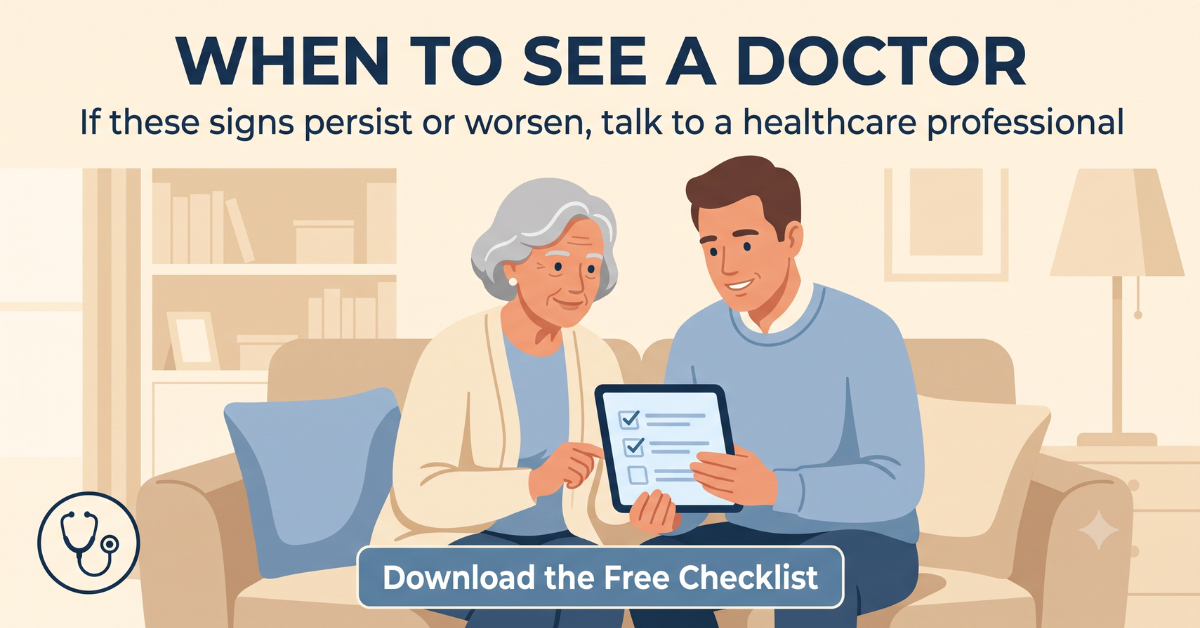
If any of the warning signs above are persistent, worsening, or beginning to affect daily independence — driving, managing money, cooking safely — it’s time to make an appointment. Early evaluation opens the door to more treatment options, better planning, and, very often, genuine peace of mind. Many causes of memory changes, including certain vitamin deficiencies, thyroid issues, medication interactions, and sleep disorders, are completely treatable once identified.
You are not overreacting by asking questions. You are taking care of yourself the way you deserve.
A Gentle Closing Thought
Getting older comes with changes — some frustrating, some frightening, and many completely normal. The most important thing you can do is stay informed, stay connected, and give yourself permission to ask for help when something feels off. You know your own mind better than anyone else does, and that instinct is worth trusting.
If you’d like to go deeper into topics like this — with real, practical video guides on senior health, wellness, and everyday living in the US — we’d love for you to check out our SeoulcastUSA YouTube channel. New videos are added regularly to walk alongside you on this journey, one gentle step at a time.
💡 Frequently Asked Questions
Q1. Is occasional forgetfulness a normal part of aging?
Yes. Momentary forgetfulness — like misplacing keys or briefly forgetting a name — is a common result of natural, gradual changes in brain processing speed and is not, by itself, a sign of dementia.
Q2. What is the biggest difference between normal aging and dementia warning signs?
Normal forgetfulness is occasional and doesn’t interfere with daily life, while warning signs are persistent, progressive, and begin to disrupt routine tasks, judgment, or relationships.
Q3. Can lifestyle changes actually reduce cognitive decline risk?
Yes. Strong evidence links cardiovascular health, quality sleep, regular physical activity, proper nutrition, mental stimulation, and social connection to better long-term cognitive outcomes.
Q4. When should I schedule a doctor’s visit for memory concerns?
If warning signs persist for several weeks, worsen over time, or begin affecting independence — such as driving, managing finances, or cooking safely — it’s time to schedule an evaluation.
Q5. Are memory or brain supplements a substitute for medical care?
No. Supplements may support overall nutritional and cognitive wellness, but they are not proven treatments for dementia and should never replace medical evaluation or professional care.
🌿 Weekly wellness, health & beauty insights — straight to your inbox
Free subscription · Cancel anytime